| Basic Function |
Bolted pipe connection |
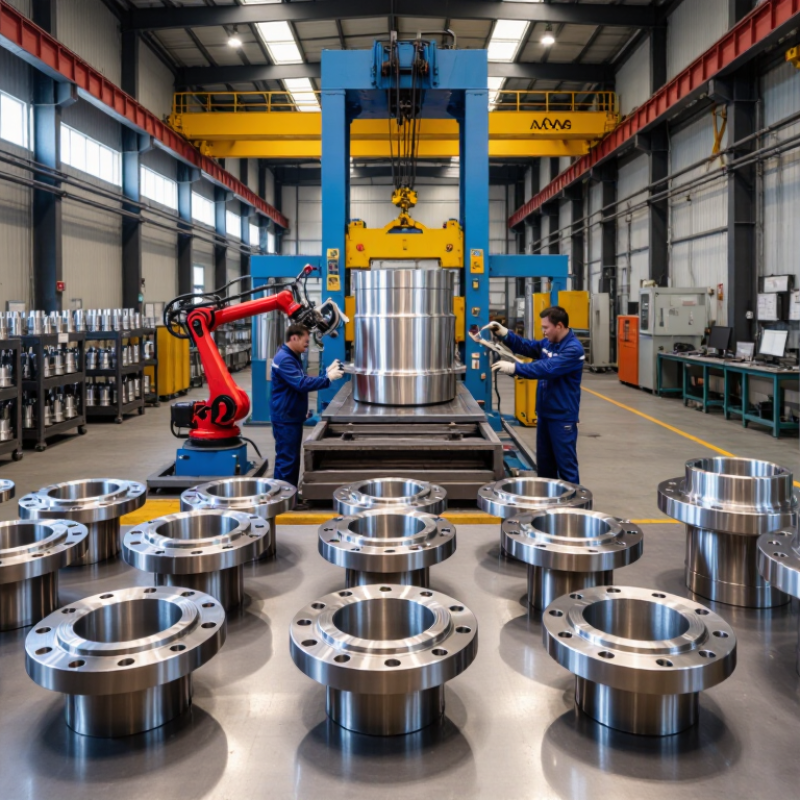
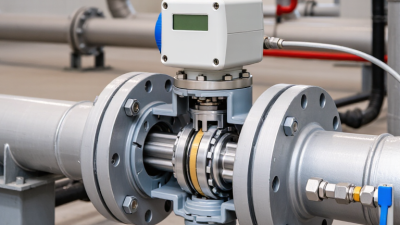
A pipe flange is a circular or specialized end component used to connect pipes, valves, pumps, and other equipment with bolts and a gasket. |
Process piping, water systems, chemical lines, energy facilities, and industrial equipment. |
Confirm pipe size, connection type, gasket surface, and bolt-hole alignment. |
| International Standards |
ASME B16.5 |
Covers commonly used flanges and flanged fittings from NPS 1/2 through NPS 24, including dimensions, pressure-temperature ratings, materials, and testing requirements. |
Industrial piping projects designed to North American specifications. |
Check the required standard, nominal pipe size, pressure class, and material specification. |
| Large-Diameter Standard |
ASME B16.47 |
Applies to larger steel flanges, generally from NPS 26 through NPS 60, with dimensional series specified by the standard. |
Large water, oil, gas, power, and infrastructure pipelines. |
Verify the applicable series, outside diameter, bolt circle, and drilling pattern. |
| European Standard |
EN 1092-1 |
Specifies steel flanges with PN pressure designations and dimensional requirements for European-style piping systems. |
European process plants, water treatment, HVAC, and industrial projects. |
Confirm PN rating, flange type, facing, dimensions, and material grade. |
| Japanese Standard |
JIS B 2220 |
Defines dimensions and pressure classes for steel pipe flanges used in Japanese and selected Asian piping systems. |
Projects requiring JIS-compatible equipment or replacement components. |
Do not mix JIS drilling patterns with ASME or EN dimensions without engineering approval. |
| Common Flange Types |
Weld neck, slip-on, blind, threaded, socket weld, lap joint |
Each type differs in installation method, stress distribution, maintenance access, and suitability for specific operating conditions. |
Weld neck for demanding service; blind for line isolation; slip-on for general-purpose systems. |
Select the type according to pressure, temperature, welding method, maintenance needs, and available space. |
| Facing Options |
Raised face, flat face, ring-type joint |
The facing provides the gasket contact area. Raised-face and flat-face designs are widely used, while ring-type joints are selected for high-integrity sealing. |
General industrial piping, low-pressure equipment, and high-pressure process lines. |
Match flange facing with the gasket, mating flange, equipment nozzle, and applicable standard. |
| Carbon Steel |
ASTM A105 forged carbon steel |
A widely used forged material for pressure-containing flange components at suitable service temperatures. |
Oil and gas, water, steam, utility lines, and general industrial piping. |
Request material certificates, heat numbers, chemical composition, and mechanical test results. |
| Stainless Steel |
ASTM A182 F304/F304L or F316/F316L |
Stainless grades provide improved corrosion resistance compared with carbon steel; low-carbon grades are commonly selected for welded systems. |
Food processing, chemical processing, pharmaceutical, marine, and corrosive services. |
Confirm grade, corrosion environment, heat treatment, surface condition, and intergranular corrosion requirements where applicable. |
| Pressure Designation |
ASME Class 150, 300, 600, 900, 1500, 2500 |
Class ratings are not direct pressure values at every temperature. Allowable pressure depends on material, temperature, and the governing standard. |
Process piping and equipment connections with defined pressure-temperature conditions. |
Use the pressure-temperature tables of the specified standard rather than relying only on the class number. |
| Metric Pressure Designation |
PN 6, PN 10, PN 16, PN 25, PN 40 |
PN is a nominal pressure designation used in many European piping systems; actual allowable pressure varies with material and temperature. |
Water supply, HVAC, industrial utilities, and European-standard process piping. |
Confirm that PN rating, dimensions, drilling, and gasket requirements are compatible with the complete system. |
| Manufacturing Method |
Forging, casting, or plate fabrication |
Forged flanges are commonly preferred for pressure applications because controlled forging can provide reliable grain flow and mechanical properties. |
Forged products for pressure service; cast or fabricated products for selected applications subject to design approval. |
Verify the approved manufacturing route, traceability, heat treatment, and inspection plan. |
| Dimensional Accuracy |
Standard-compliant flange dimensions |
Critical dimensions include outside diameter, thickness, bore, bolt-circle diameter, number of holes, hole diameter, and facing height. |
Replacement parts, new construction, equipment connections, and prefabricated piping. |
Request dimensional inspection reports and confirm tolerances against the specified standard. |
| Quality Documentation |
EN 10204 3.1 material certificate |
A 3.1 certificate typically provides manufacturer-declared inspection results and material traceability for the supplied product. |
International projects requiring documented material verification. |
Ensure the certificate identifies the heat number, material grade, applicable standard, and test results. |
| Inspection and Testing |
Visual, dimensional, chemical, mechanical, and non-destructive testing |
Inspection may include positive material identification, hardness testing, ultrasonic testing, magnetic particle testing, or liquid penetrant testing according to project requirements. |
Critical piping, pressure systems, offshore projects, and regulated industrial facilities. |
Define inspection scope, acceptance criteria, sampling rate, and third-party inspection requirements before production. |
| Surface Protection |
Black finish, oil coating, painting, galvanizing, or anti-corrosion treatment |
Surface treatment helps protect the flange during storage, transport, and service; the correct treatment depends on material and environment. |
Outdoor storage, marine environments, buried pipelines, and export shipments. |
Specify coating system, dry-film thickness, masking areas, packaging, and preservation period. |
| Packaging for Export |
Protective caps, moisture control, pallets, crates, or seaworthy packing |
Proper packaging reduces damage to sealing faces, threaded areas, machined surfaces, and bolt holes during international transportation. |
Containerized cargo, breakbulk shipments, and long-distance supply chains. |
Check packaging dimensions, lifting points, corrosion protection, labels, and shipping marks. |
| Manufacturer Evaluation |
Production capability and quality system |
A reliable supplier should demonstrate relevant equipment, qualified personnel, process control, traceability, inspection capability, and consistent documentation. |
Global sourcing, recurring orders, EPC projects, and safety-critical applications. |
Review audits, quality certifications, sample records, references, lead time, and corrective-action procedures. |
| Buyer Specification Checklist |
Size, standard, type, rating, material, facing, bore, testing, and delivery terms |
A complete purchase specification prevents mismatched dimensions, materials, pressure ratings, and documentation. |
All international pipe flange procurement projects. |
Provide drawings or datasheets and obtain a written technical confirmation before order placement. |