2026 Top Forged Fittings What Buyers Need to Know?
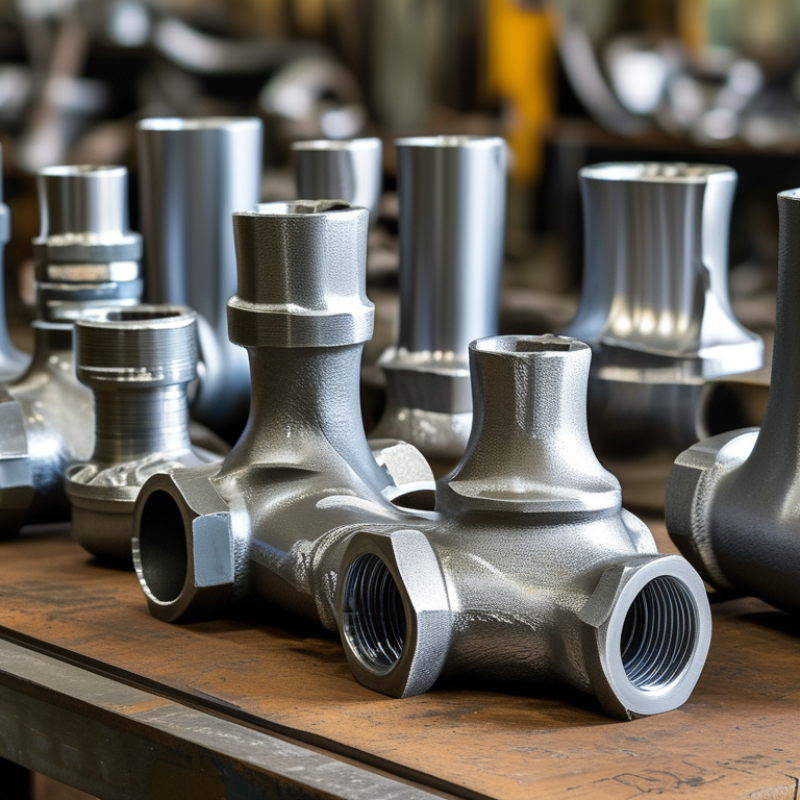
In the world of industrial applications, forged fittings play a crucial role. These components are essential for connecting pipes in various systems. With the demand for reliable and durable materials, understanding forged fittings is vital for buyers in 2026.
Quality is key when selecting forged fittings. Buyers must ensure that the materials meet industry standards. Various types are available, each designed for specific applications. However, selecting the wrong type can lead to costly mistakes.
Moreover, buyers need to consider sourcing from reputable manufacturers. Not all suppliers offer the same level of expertise. Evaluating their history and customer feedback is essential. In a constantly evolving market, informed choices will lead to better outcomes in projects. Forged fittings are not just components; they are integral to operational success.
Understanding Forged Fittings: Basics and Importance in Industry
Forged fittings play a vital role in various industries, ensuring safe and reliable connections in piping systems. These fittings are manufactured by forging, a process that creates strength and integrity. According to the Forged Fittings Market Report, the industry is expected to grow significantly, with a projected CAGR of 5.3% from 2021 to 2026. This growth stems from the increasing demand in sectors like oil and gas, chemical processing, and construction.
Understanding the importance of forged fittings is essential for buyers. These fittings resist wear, corrosion, and high pressures, making them ideal for critical applications. The National Association of Manufacturers emphasizes that quality fittings can improve system efficiency by up to 30%. However, not all forged fittings are created equal. Buyers must consider material specifications, industry standards, and the potential for manufacturing defects.
Choosing the right fittings involves several considerations. The type of fluid and operating conditions matter. Always prioritize fittings that meet ASTM or ASME standards. Additionally, inspect fittings for any irregularities. Occasionally, suppliers may overlook minor defects that can lead to larger issues. Knowledge about these factors can enhance decision-making.
Key Specifications: What to Look for in 2026 Forged Fittings
When considering forged fittings in 2026, buyers need to pay close attention to key specifications. These components must withstand high pressure and resist corrosion. Look for materials that provide durability, such as carbon steel or stainless steel. Each material has unique properties that affect performance.
Moreover, size and connection types are crucial. Ensure the fittings match the piping system requirements. Mismatched sizes can lead to leaks or catastrophic failures. Understanding the specific pressure ratings is also essential. Various applications demand different pressure tolerances.
Buyers should also evaluate the manufacturer's certifications and testing processes. This information can indicate the quality and reliability of the fittings. However, not all fitting manufacturers follow the same standards. It's vital to research and verify claims before making a purchase. Always remember, a small oversight can lead to significant issues down the line.
2026 Top Forged Fittings Specifications Overview
Types of Materials Used in Forged Fittings: Pros and Cons
When considering forged fittings, the choice of material is crucial. Common materials include stainless steel, carbon steel, and alloy steel. Each has its pros and cons, impacting performance and cost.
Stainless steel is known for its corrosion resistance. It works well in harsh environments. However, it may not be suitable for high-pressure applications. Carbon steel, on the other hand, offers great strength. It is often more affordable. Yet, it lacks the same corrosion resistance, posing risks in certain settings.
Alloy steel combines benefits from different elements. It provides enhanced hardiness and resistance to extreme temperatures. Nevertheless, this can come at a higher price point. Buyers should weigh these factors carefully. Misjudging the right material could lead to failures and increased costs later. Understanding these details helps in making an informed choice.
Top Brands and Manufacturers to Consider in 2026
As buyers look towards 2026, selecting the right forged fittings becomes crucial. A range of reputable manufacturers stand out for their quality and reliability. These companies have established a strong reputation through years of experience in the industry. They offer a variety of products suited for different applications and industries.
In the midst of numerous brands, some prioritize innovation. These manufacturers invest in advanced technologies to enhance product performance and durability. Clients should consider their specific needs when evaluating these brands. Gathering insights from industry experts can also guide buyers in making informed decisions.
Quality assurance is another factor to consider. It can be difficult to verify the standards of every manufacturer. Some may claim high quality but fail to deliver consistently. Buyers should seek out certifications and quality assessments to ensure their chosen products meet the necessary standards. This can be a tedious process, yet essential for achieving the desired outcomes in any project.
Price Trends and Budgeting Tips for Forged Fittings Purchases
When considering your budget for forged fittings in 2026, it's vital to understand current price trends. Prices can fluctuate based on material costs, demand, and manufacturing capabilities. As the industry evolves, these factors may cause unexpected changes. This unpredictability can catch many buyers off guard, leading to budget shortfalls or inefficient purchasing strategies.
Establishing a realistic budget requires thorough research and planning. Track market trends over several months to get a clearer picture. Comparing pricing from different suppliers can also yield insights. However, be cautious of deals that seem too good to be true. A lower price might indicate compromised quality, which could lead to higher costs in repairs or replacements later.
Investing in quality now can save money long-term. Consider long-term value, not just initial savings. An educated decision can minimize risks while optimizing spending. Be prepared to adapt your strategies as the market shifts. Flexibility can help in navigating price changes effectively.
2026 Top Forged Fittings Price Trends and Budgeting Tips
| Type |
Material |
Size (inches) |
Price ($/unit) |
Projected Price Increase (%) |
| Elbow |
Carbon Steel |
2 |
5.00 |
3% |
| Tee |
Stainless Steel |
3 |
12.00 |
2% |
| Coupling |
Alloy Steel |
1 |
3.50 |
5% |
| Cap |
Plastic |
1.5 |
2.50 |
10% |
| Union |
Bronze |
1 |
4.75 |
4% |