What is PVC Parts and How to Source Them Globally?
PVC parts are crucial components in various industries, ranging from automotive to construction. Their versatility and durability make them popular for a wide array of applications. Sourcing PVC parts globally can be a complex task. Factors such as quality, cost, and supplier reliability play significant roles in the process.
Navigating the global market involves understanding the intricacies of sourcing. Many businesses struggle with inconsistent quality and delivery times. It is essential to build relationships with trustworthy suppliers. However, not all suppliers meet the necessary standards. Therefore, conducting thorough research is vital.
Engaging in global sourcing means embracing cultural and business differences. Communication barriers may arise, leading to misunderstandings. It is crucial to establish clear expectations with suppliers. By recognizing potential pitfalls, companies can better manage their procurement processes. Ultimately, success in sourcing PVC parts requires diligence and proactive strategies.
Understanding PVC Parts and Their Applications
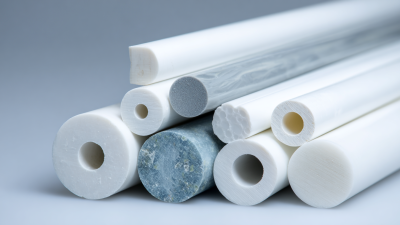
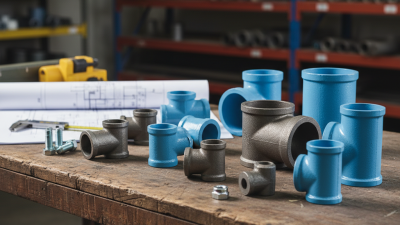
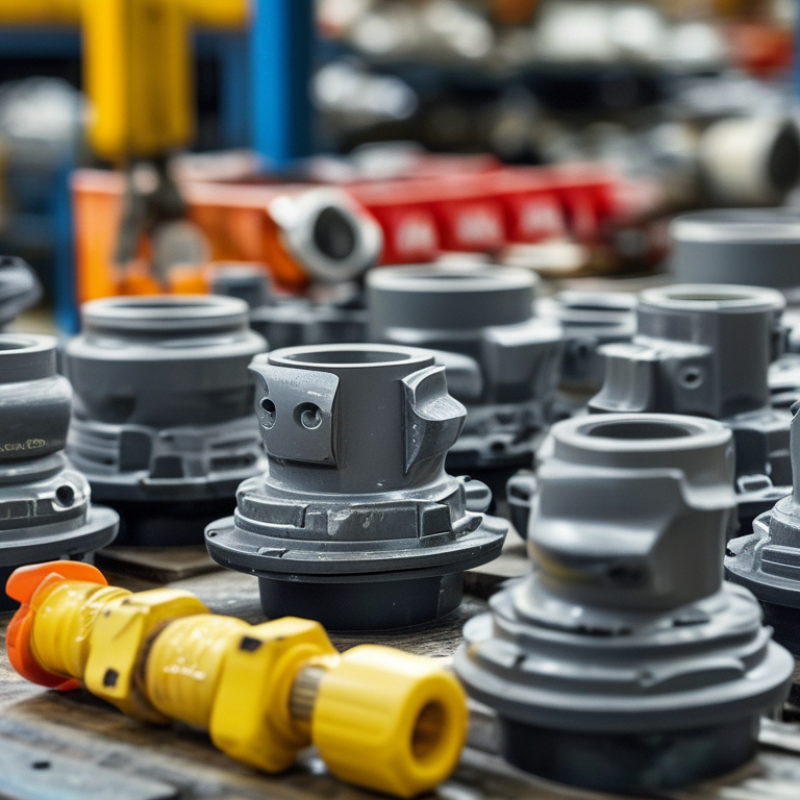
PVC parts, or polyvinyl chloride components, are widely used in various industries due to their versatility and durability. These parts come in many forms, such as pipes, sheets, and fittings. Materials crafted from PVC are favored for their resistance to corrosion, chemicals, and moisture. They serve critical functions in plumbing, construction, and even automotive applications. However, it is essential to understand the differences in PVC grades to ensure suitability for specific uses.
When sourcing PVC parts globally, it’s vital to consider quality standards. Different regions may have varying regulations regarding material safety and environmental impact. Assessing suppliers' certifications can help verify that they meet industry benchmarks. Establishing a good relationship with suppliers can yield better insights into material performance and application suitability. Yet, logistics can sometimes pose a challenge. Time delays and shipping costs may affect the overall project timeline.
Quality control is another critical aspect. Regular testing is necessary to avoid defects. Not all manufacturers adhere to the same quality assurance processes. This inconsistency may lead to unexpected failures in applications. It’s important to be diligent in evaluating samples before large orders. There is no one-size-fits-all solution in sourcing PVC parts, and that’s a point worth reflecting on.
Key Properties and Benefits of PVC Materials
PVC, or polyvinyl chloride, is widely recognized for its versatility in various applications. This synthetic plastic polymer is prized for its key properties such as durability, chemical resistance, and lightweight nature. According to a report from the European Plastics Producers, PVC accounts for nearly 23% of the world's plastic usage, largely due to its cost-effectiveness and adaptability to different environments.
One notable benefit of PVC materials is their excellent insulation properties. Studies show that PVC can reduce energy costs by up to 30% in applications such as piping and cable insulation. Moreover, the material’s resistance to moisture and corrosion makes it a preferred choice for construction and automotive sectors.
Nevertheless, sourcing high-quality PVC parts requires diligent research. Manufacturers must ensure compliance with safety regulations and environmental standards. Reports indicate that improper sourcing can lead to substandard materials that pose risks to health and safety. It's crucial for businesses to vet suppliers thoroughly, considering their certifications and track record in the industry. Attending trade shows and networking with professionals can provide valuable insights into reliable sourcing practices.
Global Sourcing Strategies for PVC Parts
Global sourcing for PVC parts requires a strategic approach. Suppliers should be carefully vetted. Research is crucial. Assessing the supplier’s quality and reliability can prevent future issues. Factors such as production capacity and lead times can vary widely.
Tips: Use online platforms to connect with potential suppliers. Request samples to evaluate quality. Attend trade shows for first-hand experience. Networking can lead to valuable partnerships.
It's essential to understand the regulatory landscape. Compliance with local and international standards cannot be overlooked. Many suppliers may lack this knowledge. Regular audits can help maintain quality control. Communication is key to partnerships. Misunderstandings can lead to costly mistakes.
Tips: Establish clear agreements. Ensure all parties understand quality expectations. Consider cultural differences in business practices. This awareness can improve collaboration. Regular feedback loops will foster better relationships over time.
Global Sourcing Strategies for PVC Parts
Identifying Reliable Suppliers of PVC Components
Sourcing PVC parts globally requires careful consideration of supplier reliability. It’s vital to identify suppliers with a proven track record. Look for companies that have been in the industry for several years. Experience indicates stability and knowledge. Supplier reviews can offer insights into their reputation. Seek feedback from other businesses that have used their services.
Additionally, verify certifications that show compliance with quality standards. Reliable suppliers should proudly display their certifications on their websites. Engaging with suppliers through video calls can help assess their operations. This also allows for a better understanding of their production capabilities. Remember, communication should be clear and professional.
Despite thorough research, challenges may arise. Delays in delivery, fluctuating prices, or quality inconsistencies may occur. Consider writing a clear contract outlining expectations. Establishing a feedback loop is also essential. Continuous dialogue with suppliers can mitigate potential issues. Working with reliable partners is an ongoing process. Regularly revisit supplier performance. This ensures you always source high-quality PVC components.
Quality Control Considerations in PVC Sourcing
When sourcing PVC parts globally, maintaining quality control is paramount. According to a report by Grand View Research, the global PVC market was valued at approximately $56 billion in 2022, projected to grow significantly. This growth underscores the importance of ensuring the quality of materials sourced across borders.
Quality control starts with understanding the production processes in supplier countries. Many manufacturers might overlook stringent quality measures. A study from the International Journal of Quality & Reliability Management highlights that nearly 30% of sourced materials had inconsistencies. These inconsistencies can lead to significant setbacks in production and increased costs. Regular audits and third-party inspections can help mitigate these risks.
Communication is also critical in quality assurance. Cultural differences may lead to misunderstandings regarding expectations and standards. Establishing clear guidelines, specifications, and regular progress check-ins can bridge these gaps. Some companies have reported up to a 40% reduction in defects through proactive communication. This highlights how integrating quality control measures and clear communication yields better results in global PVC part sourcing.
What is PVC Parts and How to Source Them Globally? - Quality Control Considerations in PVC Sourcing
| Dimension |
Description |
Sourcing Country |
Quality Control Method |
| Length |
Typically measured in millimeters or inches. |
China |
Visual Inspection |
| Thickness |
Refers to the wall thickness of the PVC part. |
Vietnam |
Caliper Measurement |
| Weight |
Determined as a total weight after manufacturing. |
India |
Weighing Scale Test |
| Color |
Various colors are available depending on dye used. |
Thailand |
Color Matching System |
| Flexibility |
Evaluated by bending and resilience tests. |
Malaysia |
Flexural Test |