2026 Top Forged Fittings Guide for Global Buyers?
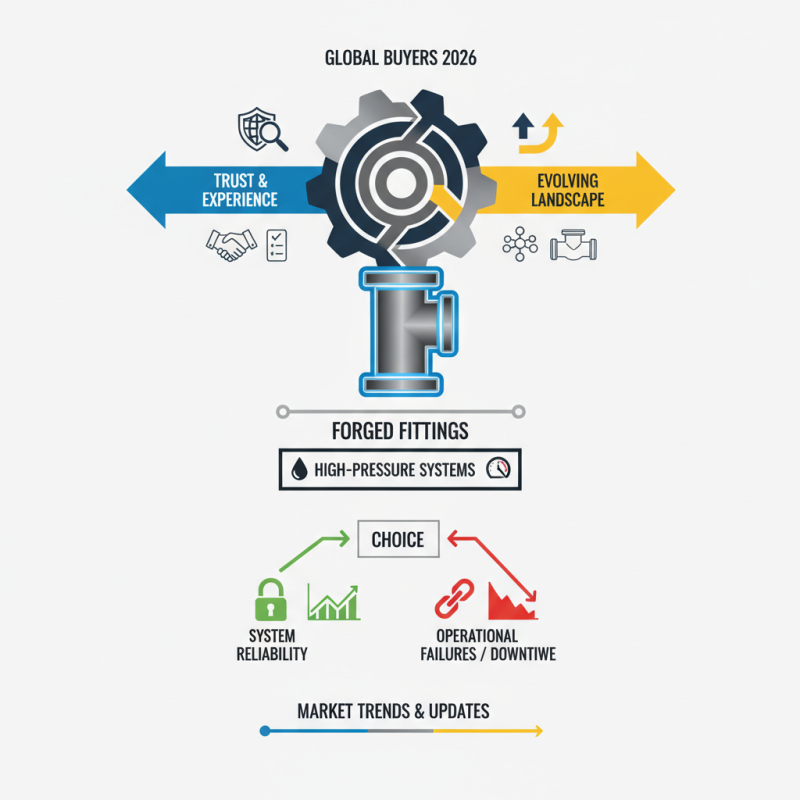
In the world of industrial piping and plumbing, "forged fittings" play a pivotal role. These fittings are crucial for ensuring leak-proof connections in high-pressure systems. According to John Smith, a leading expert in industrial fittings, “Quality forged fittings guarantee system reliability.” This statement underscores the importance of choosing the right products.
Global buyers navigating the forged fittings market in 2026 face unique challenges. The landscape is evolving with new materials and designs. Buyers must understand not just the product specifications but also the reputations of manufacturers. Selecting subpar fittings can lead to significant operational failures. Such risks can often go overlooked in the decision-making process.
Trust and experience are essential. Specialists recommend thorough research before making purchases. An informed choice in forged fittings can prevent expensive downtime. As the market grows, buyers need to remain vigilant. What worked last year may not be suitable today. Keeping up with trends and updates is critical for success in this industry.
Understanding Forged Fittings: Types and Applications
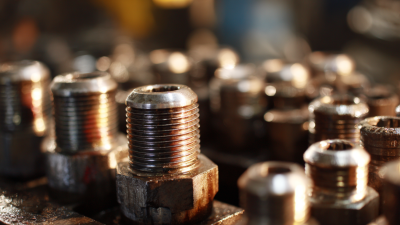
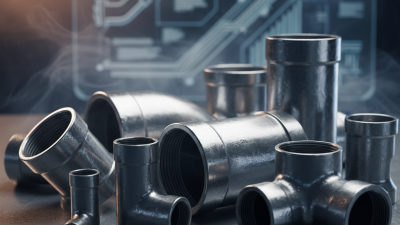
Forged fittings are essential components in various piping systems. They are made by shaping metal under high pressure. This process results in strong and durable fittings for many applications, including oil and gas, water supply, and construction. Different types of forged fittings include elbows, tees, and unions, each serving specific functions in piping networks.
When selecting forged fittings, consider the material's compatibility with the intended service. Common materials include carbon steel, stainless steel, and alloy steel. Each type has unique properties. For instance, while stainless steel offers excellent corrosion resistance, carbon steel is favored for high-strength applications.
Tips: Always inspect fittings before installation. Look for any surface irregularities or structural flaws. Ensure they meet relevant standards. Familiarize yourself with the specifications and working conditions of your project. This can prevent costly mistakes down the line. Choosing the right fitting can significantly impact overall system performance.
Key Manufacturers of Forged Fittings in the Global Market
In the global market, forged fittings play a critical role in various industries. They are essential for ensuring a secure and leak-free connection in piping systems. Many key manufacturers dominate this market, providing a wide range of products. These manufacturers invest heavily in research and development, ensuring that their offerings meet stringent industry standards.
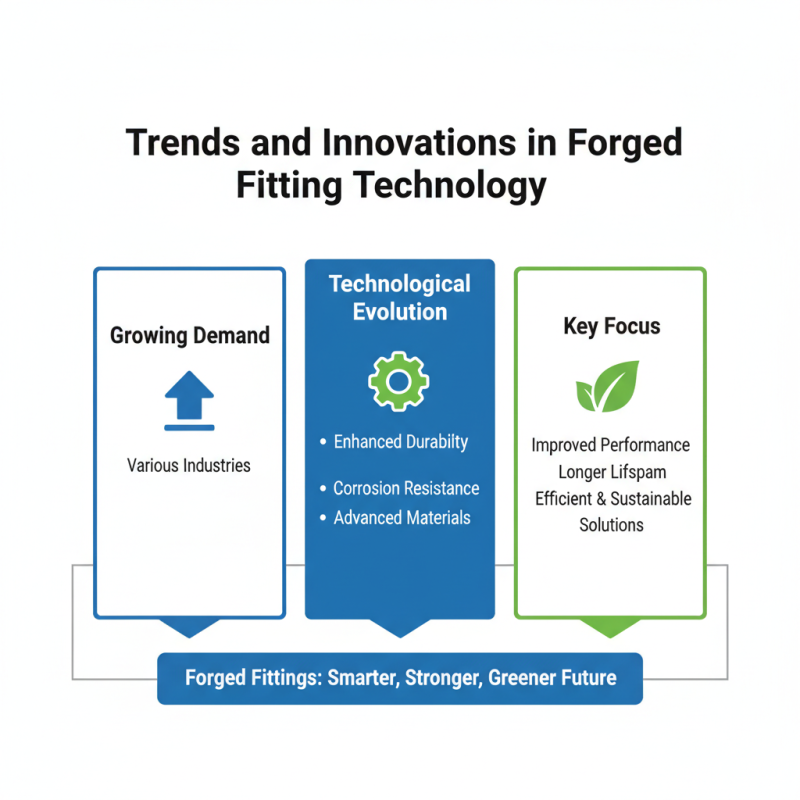
Not all manufacturers are created equal. Some excel in product quality, while others struggle with consistency. Verified performance metrics are vital when selecting a supplier. Buyers should assess the manufacturing processes and materials used. Understanding the capabilities of different manufacturers can lead to informed purchasing decisions. It’s important to consider the evolving technology in this field. Innovations may not always translate to immediate advantages for buyers.
While many manufacturers maintain high standards, there are still common pitfalls. Delays in delivery or subpar customer service can mar the experience. Buyers must communicate their needs clearly and monitor production. Engaging with trusted manufacturers often results in stronger partnerships. Assessing their reliability can help minimize risks in the long run. Thus, being diligent can enhance overall satisfaction with forged fittings procurement.
Quality Standards and Certifications for Forged Fittings
When considering forged fittings, understanding quality standards and certifications is crucial. According to the International Organization for Standardization (ISO), certified products often surpass regulatory requirements. This ensures durability and performance crucial for industrial applications. The ISO 9001 standard emphasizes quality management systems, which help in achieving consistent product quality.
Specific certifications like ASTM A105 or A350 also play significant roles. They provide guidance on material properties and testing procedures. Adhering to these standards is critical for industries such as oil, gas, and chemical processing. A recent market report from Research and Markets indicated that over 70% of buyers prefer certified forged fittings. This preference is driven by a commitment to safety and reliability in high-pressure systems.
Challenges remain in maintaining compliance. Many manufacturers struggle with documentation and meeting the evolving standards. A survey found that nearly 40% of companies faced difficulties in keeping their certifications updated. Continuous education on standards is essential. Industries must prioritize training to navigate these complexities.
Buying Considerations for Global Customers of Forged Fittings
When considering the purchase of forged fittings, certain factors come into play. Understand the materials and grades available. Different industries require different specifications. A thorough understanding ensures the right fit for your needs. For instance, carbon steel fittings are common, but others like stainless steel may offer better corrosion resistance.
Quality assurance is crucial. Make sure your suppliers follow stringent quality control processes. Certifications can indicate reliability. Look for compliance with international standards. However, not all suppliers may have these certifications. A lack of certification might not mean a complete lack of quality, but it warrants a closer inspection.
Pricing can vary significantly in the market. Always consider value over cost. A cheaper option might save money initially but could lead to higher long-term expenses. Additionally, be cautious of suppliers with unusually low prices. It’s often a sign of compromised quality. Engaging with knowledgeable professionals can provide insights that mitigate risks. Understanding these elements can streamline your buying process.