Top Plumbing Fittings Tips for Global Buyers to Consider?
In the world of plumbing fittings, choosing the right components is crucial for any project. John Smith, a renowned plumbing expert, once said, "Quality plumbing fittings can make or break a system." His insight highlights the importance of selecting the right fittings to ensure durability and efficiency.
Global buyers face unique challenges in sourcing plumbing fittings. Variations in standards and quality can lead to significant complications. Knowledge about material types and compatibility is essential. For instance, brass fittings last longer than plastic counterparts but may be heavier to transport. Understanding these nuances can prevent costly mistakes and maintain project timelines.
Additionally, buyers should be aware of the certifications and testing procedures that plumbing fittings undergo. Not all products meet international safety standards. Inadequate research into suppliers and their offerings can result in unreliable materials. Navigating this complex landscape requires diligence, attention, and a willingness to learn from past decisions.
Key Factors to Evaluate When Selecting Plumbing Fittings
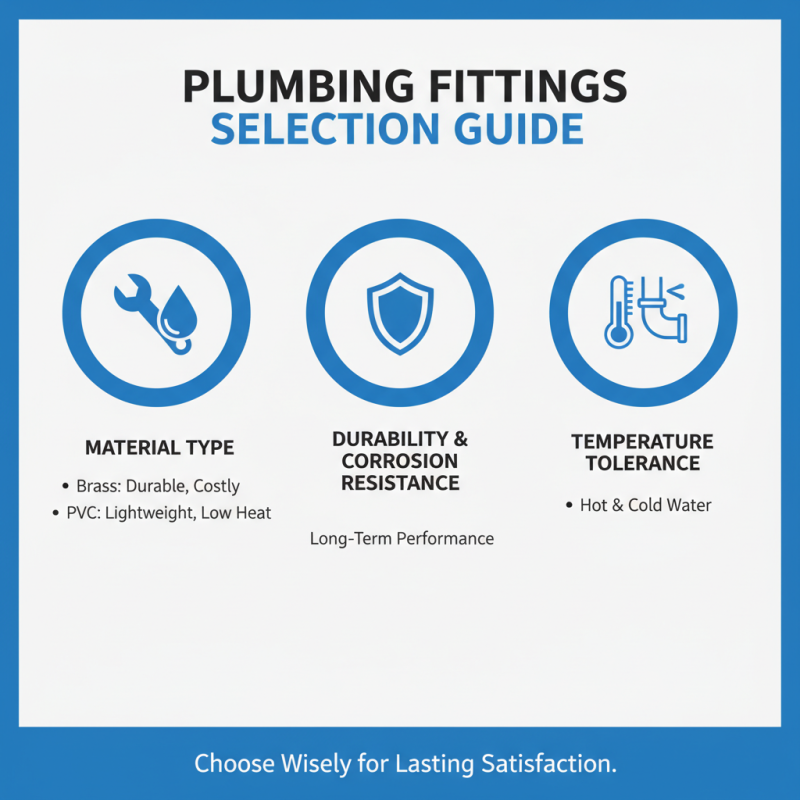
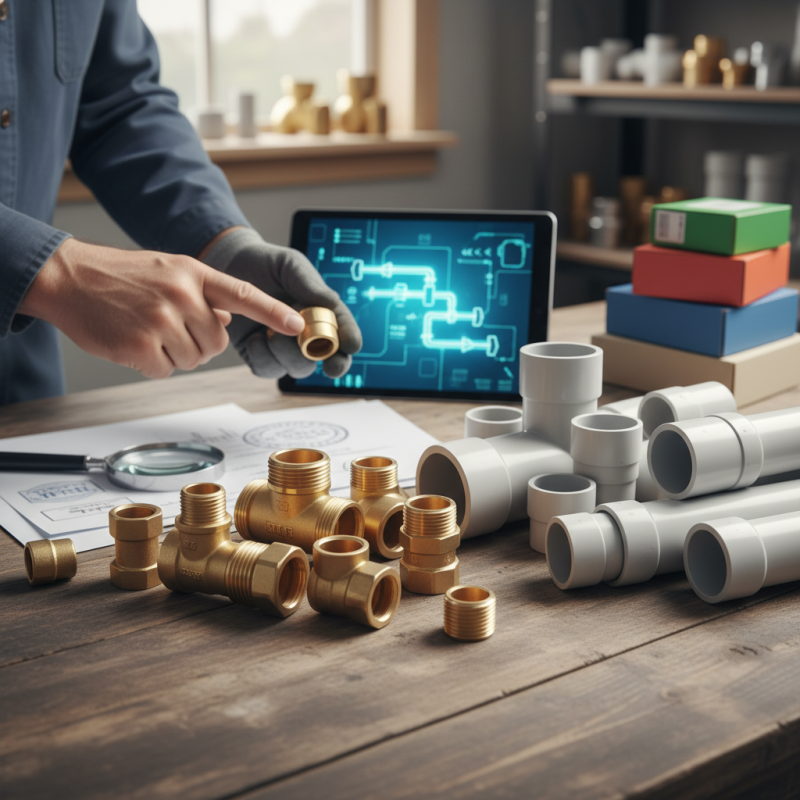
When selecting plumbing fittings, several key factors must be evaluated. Material choice is essential. Different materials have varying durability and resistance to corrosion. Brass, for instance, offers strength but can be expensive. PVC is lightweight but may not handle high temperatures well. Assessing these attributes can impact your long-term satisfaction.
Quality assurance is critical. Not all fittings are created equal. Look for certifications that guarantee their reliability. A trusted supplier should provide detailed specifications and test results. This diminishes the risks of failure that could lead to costly repairs later on.
Consider the fitting's compatibility with existing systems. Mismatched components can cause leaks or pressure issues. Take time to verify sizes and threading types. It's a simple yet often overlooked step. Always have a measure at hand.
Checking reviews can also provide insights. However, be wary of misleading claims. Some products may look perfect on paper. Real-world performance can differ significantly. Seek authentic user experiences to gauge true reliability.
Understanding Different Types of Plumbing Fittings and Their Uses
When selecting plumbing fittings, it’s crucial to understand the variety of options available. Different types serve distinct purposes. For instance, PVC fittings are lightweight and resistant to corrosion. They are ideal for residential drainage systems. Copper fittings, on the other hand, are durable and suitable for high-pressure applications. According to a 2021 industry report, copper fittings account for approximately 30% of the global market in plumbing fittings.
Moreover, choosing the right fitting can impact the overall efficiency of plumbing systems. For example, a poorly matched fitting could lead to leaks or pressure loss. The Global Plumbing Fittings Market is projected to grow at a CAGR of 6.5% from 2021 to 2027. This growth indicates rising demand for high-quality plumbing solutions. Yet, many buyers often overlook material compatibility or size requirements, leading to costly mistakes.
Did you know that galvanized steel fittings are still popular due to their strength? However, they can corrode over time, which may reduce lifespan. Understanding these details prevents potential issues in your projects. Buyers must reflect on their choices, ensuring compatibility and the right material. Ignoring these factors can result in inefficiency and increase maintenance costs in the long run.
Top Plumbing Fittings Tips for Global Buyers to Consider
| Type of Fitting |
Material |
Uses |
Advantages |
| Elbow Fitting |
PVC, Copper, Brass |
Changing pipe direction |
Easy to install, versatile |
| Tee Fitting |
PVC, Copper, Brass |
Creating branch lines |
Cost-effective, space-saving |
| Reducer Fitting |
PVC, Metal |
Connecting different pipe sizes |
Efficient flow transition |
| Coupling Fitting |
PVC, Copper |
Joining two pipes |
Strong connection, easy to replace |
| Cap Fitting |
PVC, Metal |
Sealing the end of a pipe |
Prevents leakage, cheap |
Importance of Material Choices in Plumbing Fittings for Longevity
When selecting plumbing fittings, material choices significantly impact longevity. Different materials offer various benefits and drawbacks. For instance, brass fittings provide excellent durability and resistance to corrosion. However, they can be more expensive than alternatives. In contrast, PVC fittings are lightweight and affordable, but they may degrade faster under extreme temperatures.
Consider the environment where the fittings will be used. In areas with high humidity or exposure to chemicals, opting for resistant materials is crucial. Copper fittings are often regarded as reliable, thanks to their natural antimicrobial properties. Yet, they are prone to corrosion if not properly maintained.
Buyers should also reflect on installation needs. Some materials require specific tools or expertise. While stainless steel fittings deliver strong performance, they may not fit every budget. These choices demand careful thought, balancing cost, application, and long-term reliability. Making the right choice can prevent costly replacements and ensure a plumbing system that lasts for years.
Global Supplier Research: Finding Reliable Plumbing Fittings Manufacturers
When searching for reliable plumbing fittings manufacturers, global buyers must prioritize research. Industry reports indicate that over 75% of buyers face challenges in quality assurance. A thorough supplier assessment can mitigate these risks. Look for manufacturers with robust certifications. ISO certifications often signify a commitment to quality and safety standards.
Engaging with suppliers who have experience in international markets is crucial. Market analysis indicates that suppliers with a diverse client base tend to offer better reliability. They understand various regulations and can navigate challenges that arise in different regions. On-site audits may also provide insights into a supplier’s operational processes. It shows their willingness to be transparent and accountable.
Establishing ongoing communication with potential suppliers is vital. Many buyers overlook the importance of open dialogue. Regular check-ins can reveal a supplier's responsiveness and flexibility. Collecting feedback from industry peers can also aid in making informed decisions. Discrepancies in communication styles may be red flags. Aim for suppliers who demonstrate reliability and adaptability in their operations.
Regulatory Standards and Compliance for Plumbing Fittings Internationally
When sourcing plumbing fittings internationally, compliance with regulatory standards is crucial. Different regions have varying requirements regarding materials, pressure ratings, and performance. Buyers must ensure that the products meet local codes and safety standards.
Understanding certifications is essential. Some countries require specific certifications for plumbing fittings. Failure to adhere to these can lead to costly penalties or project delays. It's vital to conduct thorough research on what is needed in your target market.
Buyers should also consider testing procedures. Many fittings must undergo rigorous testing to ensure they are safe and functional. This awareness can prevent subpar products from entering your inventory. Engaging with experts in the field can provide insights into best practices and emerging regulations. It may be a challenge to keep up with the changing landscape, but taking proactive steps is key.