Why Choose the Right Hose Connector for Your Needs?
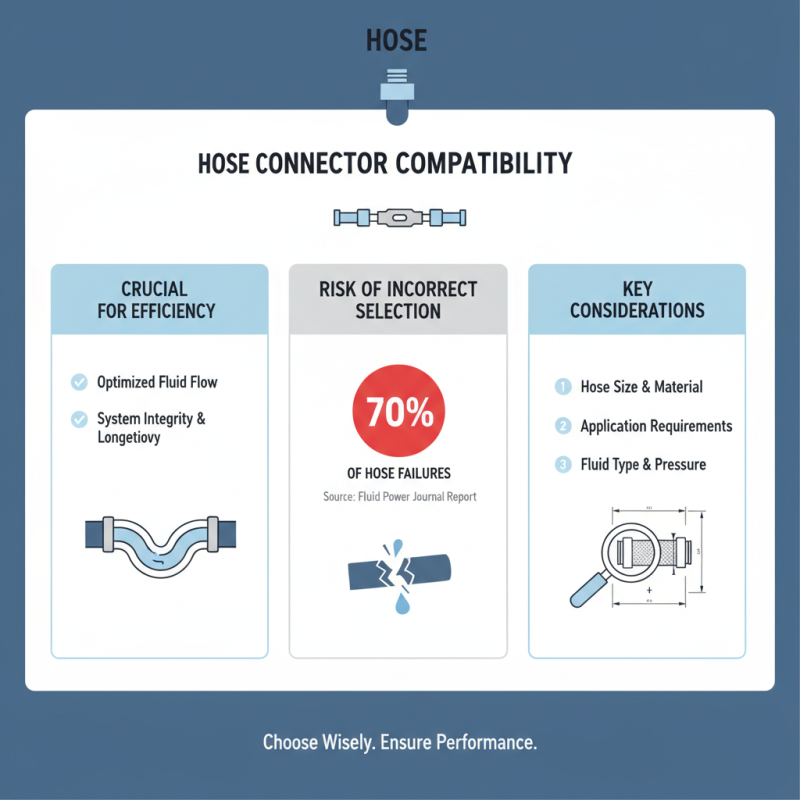
Selecting the right hose connector is crucial in various industries. A study by the Fluid Power Association revealed that over 30% of equipment failures are linked to improper connections. These failures can lead to downtime and expensive repairs. As industry expert John Smith states, “The right hose connector can make all the difference in system reliability and efficiency.”
Quality matters. Not all hose connectors are created equal. For instance, materials and designs significantly impact performance and longevity. Using inferior connectors can result in leaks, pressure loss, and even safety hazards. The choice should align with specific operational requirements to ensure optimal performance.
Additionally, there is an ongoing debate about standard vs. custom designs. While standard connectors are readily available, they may not suit every application. Custom connectors can be more expensive but offer tailored solutions. Consider not just the price but the long-term value. Investing time and resources in the right hose connector can yield significant operational benefits.

Understanding Hose Connector Types and Their Functions
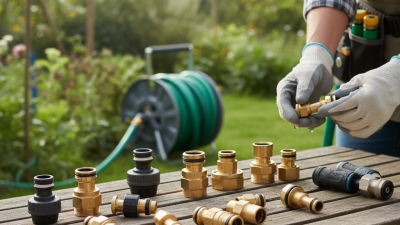
Choosing the right hose connector involves understanding the various types available. Hose connectors come in different styles, from threaded to snap-fit designs. Each type has unique applications and benefits. For instance, threaded connectors offer a secure fit, while quick-release types enable fast disconnection.
Consider the materials used in hose connectors. Plastic options are lightweight but may not withstand high pressure. Metal connectors, on the other hand, tend to be more durable. However, they can be heavier and prone to rust. Taking into account your specific requirements is vital.
It's easy to overlook important details, such as the size and compatibility with existing hoses. A mismatch can lead to leaks or inefficient connections. Many users find themselves frustrated when a connector does not fit. Evaluating your needs can prevent costly mistakes. Remember, the ideal choice is the one that aligns with your project requirements.
Why Choose the Right Hose Connector for Your Needs?
| Connector Type |
Function |
Material |
Common Usage |
| Barbed Connector |
Used to connect two hoses securely |
Plastic or Brass |
Garden and irrigation systems |
| Quick Connect |
Allows for easy and fast connection/disconnection |
Plastic or Metal |
Various industrial applications |
| Threaded Connector |
Provides a secure, leak-proof connection |
Brass, Stainless Steel |
Plumbing and high-pressure applications |
| Cam Lock Connector |
Used for quick assembly and disassembly |
Aluminum or Plastic |
Chemical and beverage industries |
| Hose Shank Connector |
Connects hoses to pumps or accessories |
Rubber or Metal |
Agricultural and industrial applications |
Identifying Key Features for Quality and Durability
When considering hose connectors, quality and durability are paramount. Not all connectors are created equal. Many may seem sturdy at first glance but can fail under pressure. Look for connectors made from high-grade materials. Brass, stainless steel, and reinforced plastics often outlast cheaper alternatives.
Key features should also include ergonomic design. Connectors that are easy to grip allow for quick attachments and detachment, even in wet conditions. Some designs prioritize user comfort, reducing strain on hands. Additionally, consider connectors with a leak-proof design. Many users overlook small gaps that can lead to water loss over time, wasting resources.
Another factor is compatibility. Ensure your connector fits different hose sizes or types. A flexible connector can adapt to various situations, saving you time and money. While it may seem easier to stick with standard sizes, versatility often leads to greater efficiency. In the long run, investing in a quality hose connector saves you from frequent replacements. Think through your needs carefully before purchasing.
Assessing Material Options for Specific Environments and Conditions
Choosing the right hose connector begins with understanding the materials available. Different environments demand specific material properties. For instance, rubber connectors work well in flexible applications. They can withstand bending and movement. However, rubber may degrade in harsh UV conditions.
In contrast, metal connectors offer durability and strength. They resist higher pressures and extreme temperatures. Stainless steel is a popular choice for its corrosion resistance. Yet, it can be heavier, which may not suit all setups. Plastic connectors, while lightweight, often lack the robustness needed in demanding conditions. They can crack or break under stress.
Selecting the appropriate material requires careful consideration. Assess your working conditions like temperature and exposure to chemicals. Think about the lifespan of your connector. A wrong choice can lead to leaks or failures. Assess the trade-offs between cost and performance. Sometimes, the best option may not be the most popular. Keep experimenting and learning to find the right fit for your needs.
Impact of Hose Connector Materials on Performance in Different Environments
This bar chart illustrates the durability ratings of various hose connector materials suitable for different environments. As seen, metal connectors provide the highest durability, making them ideal for heavy-duty applications, while polyurethane offers the lowest durability, which may limit its effectiveness in harsh conditions.
Determining Cost vs. Benefits of Different Hose Connectors
Choosing the right hose connector can greatly impact your project’s efficiency and cost. Different materials and designs offer unique benefits and drawbacks. For instance, metal connectors may provide durability but can be expensive. In contrast, plastic options are lightweight and cost-effective but may wear out faster under pressure.
When evaluating cost versus benefits, consider your specific needs. If you often change hoses, quick-connect connectors save time. If you require a seal that can withstand high temperatures, investing in high-quality connectors might be wise. Remember that lower initial costs can sometimes lead to higher replacements in the long run.
Tips: Always check compatibility with your hoses. A mismatch can lead to leaks or damage. Regular maintenance of connectors can extend their lifespan. Consider reading customer reviews and experiences. This can guide you toward reliable options. Connecting the wrong type may lead to more problems than expected, prompting a reevaluation of your choices.