What Are MS Fittings Types Uses and Benefits?
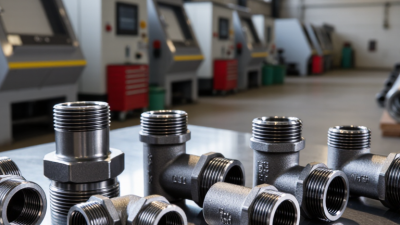
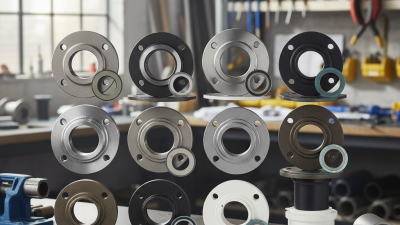
MS fittings, usually made from mild steel, connect, redirect, branch, or adapt sections of pipe. Their small size can hide their importance. A poorly matched elbow or coupling may cause leaks, stress, or difficult maintenance. Common types include elbows, tees, reducers, sockets, unions, and flanges. Each serves a different role, from changing flow direction to joining pipes of unequal diameters.
These fittings appear in fabrication shops, building services, machinery, and many industrial pipe systems. Mild steel is widely used because it is workable, weldable, and generally economical. Installers can cut or join many fittings with familiar tools, while the broad range of shapes supports practical system layouts. Still, affordability is only part of the decision. Bare mild steel can corrode, especially in damp or chemically aggressive environments. Coatings, suitable materials, and routine inspection may be needed. No fitting suits every line.
This guide looks at the main ms fittings types, their typical uses, and their benefits. It also considers the details that matter during selection, including pipe size, connection method, operating pressure, temperature, and fluid compatibility. Product specifications should be checked rather than assumed; appearance alone cannot confirm a fitting’s grade or rating. That point is easy to overlook. A sound choice begins with the system’s actual conditions, not simply the lowest price or the most familiar shape.
What MS Fittings Are and How They Are Made
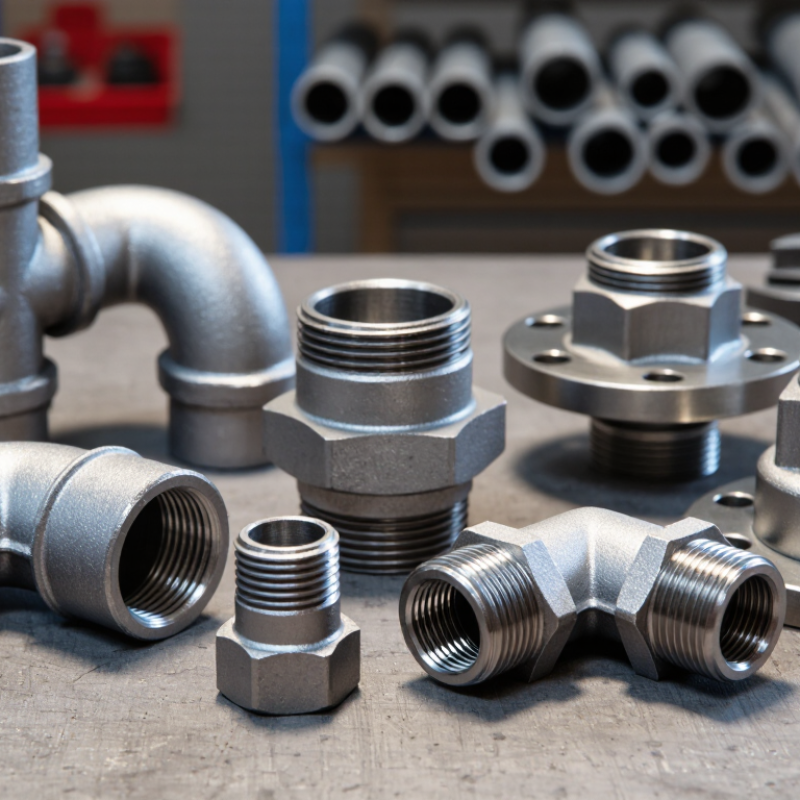
Mild steel (MS) fittings are connecting components used in piping systems. They join pipes, change flow direction, control diameter, or create branch connections. Common types include elbows, tees, reducers, couplings, caps, and flanges. Their practical value comes from strength, weldability, and relatively low material cost.
Manufacturing usually begins with certified mild steel pipe, plate, or bar stock. Workers cut the material to measured dimensions, then form it by pressing, rolling, forging, or machining. An elbow may be shaped over a die, while a tee can be welded from prepared sections. Edges are beveled for stronger weld joints. Some fittings receive threads, bolt holes, or machined sealing faces.
Details matter.
After forming, technicians inspect dimensions, surface condition, and weld quality. Pressure testing may reveal weak joints that visual checks miss. Protective coatings or galvanizing can reduce rust, especially in humid service areas. However, untreated MS can corrode quickly when exposed to water, chemicals, or salty air. Selection must match pressure, temperature, pipe size, and the transported medium.
A fitting may look flawless and still be unsuitable. This is where careful engineering judgment matters. Manufacturing tolerances, imperfect alignment, and inconsistent coating thickness can affect service life. Reliable suppliers should provide material records and inspection results, not only attractive product photos. With correct installation and maintenance, MS fittings support water, air, structural, and industrial piping applications.
Main Types of MS Fittings
Mild steel, or MS, fittings connect, redirect, or terminate carbon-steel pipelines. The main types include elbows, tees, reducers, caps, crosses, and couplings. Elbows change flow direction, commonly by 45 or 90 degrees. Tees divide one pipeline into two branches. Reducers connect different pipe diameters, while caps close unused ends. Crosses are less common but support four-way distribution.
Fittings are also classified by connection method. Butt-weld fittings suit process lines because they provide smooth internal transitions and fewer leakage points. Threaded fittings support quicker installation on smaller, lower-pressure services. Socket-weld fittings offer compact connections where space is limited.
ASME B16.9 defines dimensions and tolerances for factory-made butt-welding fittings, while ASTM A234 covers common carbon-steel grades used in pressure piping. Check the standard, not only the catalogue description.
Material selection needs practical judgment. World Steel Association data lists 1,888.2 million tonnes of crude steel production in 2023, showing the scale of steel supply and its quality variation. Yet high production volume does not guarantee suitable fittings. Inspect wall thickness, bevel condition, heat numbers, and corrosion allowance before installation.
A fitting may look perfect.
In field work, misaligned elbows and poorly prepared welds remain frequent problems. Designers should verify pressure, temperature, fluid chemistry, and installation access. The “right” fitting can still fail when these details are ignored.
Sources: World Steel Association, World Steel in Figures 2024; ASME B16.9; ASTM A234/A234M.
Common Uses of MS Fittings Across Industries
What Are MS Fittings Types Uses and Benefits?
Common Uses of MS Fittings Across Industries
MS fittings, or mild steel fittings, connect and guide pipes in many working environments. Common types include elbows, tees, reducers, couplings, caps, and flanges. Each shape solves a different routing problem. A 90-degree elbow changes direction around a wall or machine. A tee divides one pipeline into two branches. A reducer joins pipes with different diameters.
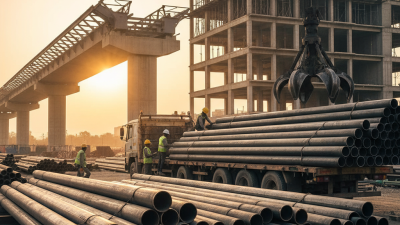
Construction projects use MS fittings in water supply, fire protection, heating, and structural service lines. They handle regular mechanical stress and are often easy to weld or thread. Manufacturing plants use them for compressed air, cooling water, steam, and process piping. In workshops, technicians value their practical strength and availability. However, mild steel can corrode when moisture or aggressive chemicals remain inside the system.
Agricultural facilities use these fittings around pumps, storage tanks, and irrigation networks. Energy and utility sites apply them in fuel support systems, ventilation, and general plant piping. HVAC installations also use reducers and elbows to save space near equipment. Mining operations may require stronger coatings because dust, water, and abrasion create harsh conditions.
Selection should consider pressure, temperature, fluid type, pipe diameter, and joining method. Inspectors should check wall thickness, thread quality, weld preparation, and surface condition. Choosing by nominal size alone causes expensive mistakes. Even experienced teams miss compatibility issues sometimes. That deserves a second review. Protective coatings help, but they cannot repair poor installation or neglected maintenance.
Key Benefits of Using MS Fittings
MS fittings, or mild steel fittings, remain practical choices for many piping and structural applications. Their main benefit is strength at a controlled cost. They handle pressure, vibration, and routine mechanical stress when properly selected. In workshops, installers often value their predictable welding performance. A clean, accurately prepared joint can reduce leakage risks and installation delays.
Durability is another important advantage. A suitable protective coating helps MS fittings resist moisture, abrasion, and surface corrosion. This makes them useful in water systems, industrial frames, support structures, and general fabrication work. Their availability in common shapes also simplifies repairs. Elbows, tees, reducers, and couplings can be matched to many standard layouts. That saves cutting time. It also reduces material waste.
However, MS fittings are not perfect. Bare steel can rust quickly in damp or chemically aggressive environments. Coating quality matters more than many projects admit. Fitters should check wall thickness, dimensions, weld quality, and operating conditions before installation. A cheaper fitting may create higher maintenance costs later. In my experience, careful surface preparation often determines the real service life. The specification should never be treated as paperwork only. Small errors matter. Temperature, fluid type, and load changes may require a different material or protection method. Reliable results come from inspection, suitable installation, and honest limits.