10 Best MS Fittings Suppliers for Global Buyers?

Choosing the right ms fittings supplier can determine whether a piping project remains dependable after years of pressure, vibration, and temperature changes. Global buyers need more than attractive prices. They need verified materials, stable production, accurate dimensions, responsive technical support, and export experience.

In this guide, we examine ten leading ms fittings suppliers for international purchasing teams. The comparison considers manufacturing capability, carbon-steel grades, surface protection, thread accuracy, quality documentation, delivery performance, and customization options. These details matter when fittings must connect pumps, valves, structural pipework, or industrial processing lines without costly rework.

Dr. Robert W. Messler Jr., a recognized joining-technology expert, observed, “The goal of joining is to make two or more pieces into a single entity.” That principle applies directly to ms fittings. A fitting may look ordinary on a warehouse shelf, yet a small dimensional error can create leakage, installation delays, or premature corrosion. Supplier claims also require careful checking. Certifications can differ in scope, and product photographs rarely prove manufacturing quality.

This overview aims to support practical decisions, not promote a single brand. It highlights suppliers with different strengths, including large-scale production, regional availability, engineering support, and flexible order quantities. Some companies may appear excellent on paper but perform less consistently across markets. That is worth remembering.

Before placing an order, buyers should request material certificates, inspection records, coating details, sample measurements, and clear delivery terms. The best supplier is not always the cheapest. It is the one that fits the project’s technical, commercial, and compliance requirements.
10 Best MS Fittings Suppliers for Global Buyers?

What Are MS Fittings and Why Do Global Buyers Need Them?

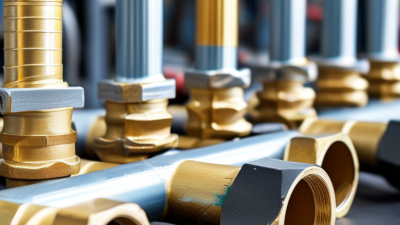
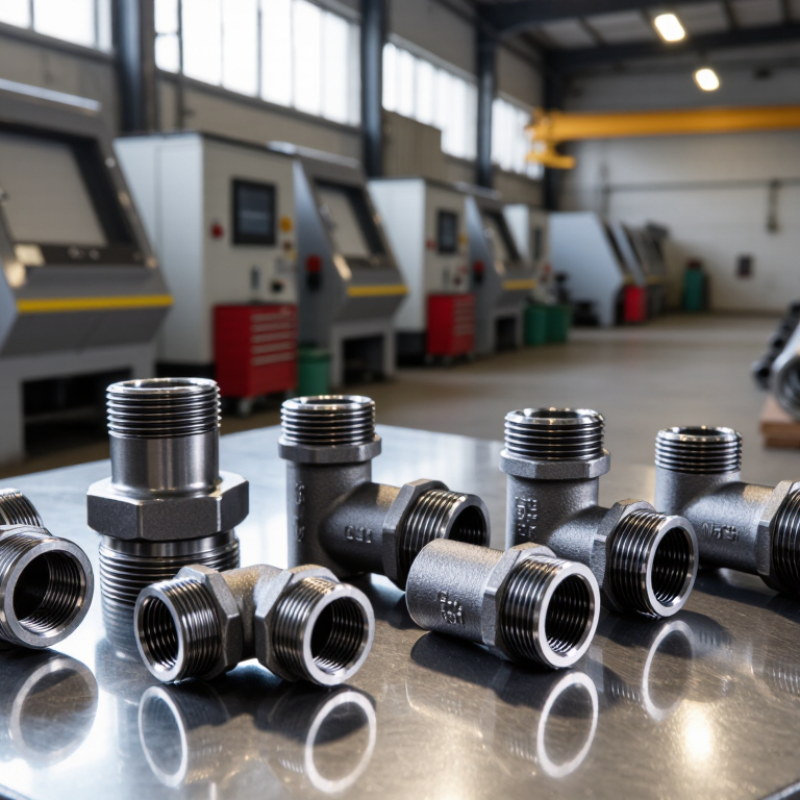
MS fittings are connection components made mainly from mild steel, often called low-carbon steel. Common forms include elbows, tees, reducers, couplings, and caps. They join pipes, redirect flow, and support repairs in water systems, construction, manufacturing, and industrial utilities. Their value is practical: mild steel is workable, widely available, and usually more economical than alloy materials.

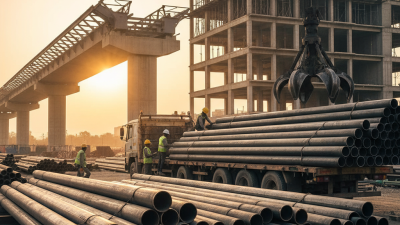
Demand follows infrastructure activity. The World Steel Association reported global crude steel production above 1.8 billion tonnes in 2023, showing the scale of the steel supply base.

Global Infrastructure Hub’s Global Infrastructure Outlook also projects a worldwide infrastructure investment gap of about 15 trillion dollars by 2040.

These figures suggest continued demand for reliable pipe connections, but they do not guarantee equal quality between suppliers. The term “MS fitting” itself can be unclear across markets. Some sellers may mean carbon steel, while others include different grades under the same label.

Global buyers should verify the steel grade, wall thickness, dimensions, pressure class, and applicable standards, such as ASTM, ASME, EN, or ISO requirements.

  • Request a material test certificate and confirm the heat number matches the product.
  • Check threading, weld bevels, surface defects, and protective coating before shipment.
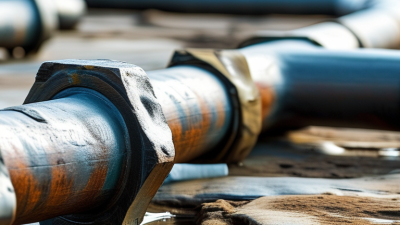
  • Mild steel can corrode quickly in wet or chemical environments.

That point is easy to underestimate. A lower purchase price may become expensive after installation, especially when replacement labor and downtime are included. Availability matters too, but specification accuracy matters more.
How to Evaluate MS Fittings Suppliers for Quality and Reliability

When comparing MS fittings suppliers for global projects, product photos are not enough. Ask for material grades, dimensions, wall thickness, and applicable standards. A reliable supplier should provide current mill certificates and heat-number traceability. The heat number should match markings on fittings, packing lists, and inspection records. Check whether the quality team explains deviations clearly. Vague answers often become costly delays.

Request samples from actual production, not specially polished pieces. Inspect threads, weld ends, bevels, coating, and surface defects under good light. For critical orders, use independent inspection before shipment. Verify pressure, dimensional, hardness, and chemical test reports against the purchase specification. Supplier capacity also matters. Compare equipment, batch control, lead times, and rejected-piece handling. A factory may promise 30 days, then struggle when several containers are scheduled.

Communication is evidence of reliability. Notice response times, document accuracy, and willingness to share corrective-action reports. Ask how fittings are protected from rust during sea transport. Dry packaging and sealed covers can prevent unpleasant surprises. Price deserves attention, but an unusually low quote may hide thinner walls or weak inspection. I would not treat certificates as unquestionable proof. Recheck critical data, keep written records, and allow room for human error. Good suppliers welcome precise questions, though one approved supplier may not fit every project.

10 Best MS Fittings Suppliers for Global Buyers? - How to Evaluate MS Fittings Suppliers for Quality and Reliability

Rank Anonymized Supplier Profile Primary Product Focus Common Material Grades Recognized Product Standards Material Traceability Quality Documentation Typical Export Lead Time Customization Capability Buyer Verification Priority
1 Profile A — International Butt-Weld Specialist Elbows, tees, reducers, caps and crosses ASTM A234 WPB; equivalent carbon-steel grades subject to specification ASME B16.9; ASTM A234; dimensional requirements specified by purchase order Heat number and mill certificate expected MTC, dimensional report, visual inspection and test records 4–8 weeks High High
2 Profile B — High-Volume Standard Fittings Supplier Standard seamless and welded fittings Carbon steel grades selected according to temperature and pressure requirements ASME B16.9; ASME B16.25; applicable ASTM material specifications Available when specified in the purchase order MTC and dimensional inspection; confirm NDT scope 3–6 weeks Medium High
3 Profile C — Project and EPC Supply Partner Fittings for oil, gas, power and industrial piping projects Carbon steel and low-temperature carbon steel options ASME B16.9; ASTM A234; project-specific piping codes Full traceability normally required ITP, MTC, NDT reports, coating records and final dossier 6–12 weeks High High
4 Profile D — Small-Diameter Stocking Supplier Elbows, tees and reducers for maintenance and replacement work Common carbon-steel grades for general industrial service ASME B16.9; ASTM or EN requirements according to order Batch-level documentation commonly available MTC and basic dimensional inspection 1–4 weeks from stock Low to medium Medium
5 Profile E — Large-Diameter Fabrication Supplier Large-diameter elbows, mitred fittings and fabricated assemblies Carbon steel plate or pipe-based fabrication grades Project drawings; ASME B16.9 where applicable; approved fabrication procedures Weld and plate heat traceability expected WPS/PQR, welder qualifications, NDT and dimensional reports 8–16 weeks Very high High
6 Profile F — Low-Temperature Service Specialist Butt-weld fittings for refrigerated and low-temperature applications Low-temperature carbon steel grades where impact toughness is specified ASTM A420; ASME B16.9; purchaser-defined impact requirements Heat and test-piece traceability required MTC with impact results, dimensional report and NDT records 6–10 weeks Medium High
7 Profile G — EN and ISO Documentation Supplier Fittings for European and internationally harmonized specifications Carbon steel grades selected under the applicable EN specification EN 10253; EN 10204 inspection documents; ISO-based quality systems 3.1 inspection certificate preferred Inspection certificate, dimensional report and compliance declaration 4–9 weeks Medium High
8 Profile H — Coated and Corrosion-Control Supplier MS fittings with painting, galvanizing or project-specified coating Carbon steel grades compatible with the selected coating system ASME B16.9 or EN 10253; coating specification defined by project Material and coating batch traceability MTC, surface-preparation record, dry-film thickness report and inspection photos 5–10 weeks High Medium
9 Profile I — Low-MOQ Custom Order Supplier Small batches, non-standard dimensions and replacement parts Common carbon-steel grades; confirm chemistry before production Applicable ASME, EN or customer drawings Must be confirmed before order placement MTC and dimensional report available by agreement 5–12 weeks Very high Medium
10 Profile J — Distributor with Multi-Region Inventory Ready-stock fittings for maintenance, repair and operations Standard carbon-steel grades listed on the stock certificate ASME B16.9, EN 10253 or other standard stated on the product documentation Batch-level traceability should be requested Certificate availability varies by inventory batch 1–3 weeks from stock Low Medium
Evaluation note: The profiles above are anonymized purchasing benchmarks rather than named-company rankings. Lead times, documentation, material grades, stock availability and customization must be confirmed against the supplier’s quotation, applicable specification, inspection plan and material certificates before purchase.
Quality Check
Verify heat numbers, chemical composition, mechanical properties, dimensions, wall thickness and applicable NDT results.
Reliability Check
Review production capacity, on-time delivery history, complaint handling, packaging controls and reference projects.
Compliance Check
Match the quotation with the required standard, pressure class, schedule, dimensions, end preparation and inspection requirements.

Profiles of the 10 Best MS Fittings Suppliers Worldwide

The ten suppliers profiled here represent practical options for global buyers seeking mild steel (MS) fittings. Supplier One focuses on threaded elbows and tees for general plumbing projects. Supplier Two offers welded fittings with tight dimensional control. Supplier Three serves large infrastructure contracts with stable bulk production. Supplier Four specializes in galvanized finishes for humid environments. Supplier Five provides custom reducers for unusual pipe transitions. Supplier Six supports fast sampling and small trial orders. Supplier Seven is known for heavy-wall fittings used in industrial piping. Supplier Eight combines machining with surface inspection. Supplier Nine offers export packaging suited to long sea journeys. Supplier Ten emphasizes documentation, batch coding, and responsive after-sales support.

A reliable supplier should provide material certificates, pressure-test records, and clear dimensional standards. Check wall thickness carefully. It can vary between production batches. Experienced buyers often request samples before approving a full order. They also compare thread accuracy, weld appearance, coating adhesion, and carton protection. Factory audits can reveal storage problems that brochures never mention. One practical concern deserves attention: low prices may hide slower lead times or weaker inspection routines. My own review process would still leave room for error, especially when suppliers use different testing standards.

Tips: Ask for a recent inspection report, not a generic certificate. Confirm packing photographs before shipment. Specify the required standard, fitting schedule, coating, quantity, and delivery port in writing. Keep one approved sample for future comparison. A small detail can prevent a costly replacement.

How Do These Suppliers Compare in Products, Pricing, and Certifications?

For global buyers, the best MS fittings suppliers differ in range, pricing, and proof of quality. Strong suppliers usually offer elbows, tees, reducers, flanges, and threaded fittings in several wall thicknesses. They should provide dimensional drawings, heat numbers, and material test certificates. EN 10204 3.1 documents are especially useful for checking chemical and mechanical results. ISO’s 2023 Survey recorded 1,265,216 valid ISO 9001 certificates worldwide. Certification helps, but it does not replace factory audits or sample inspections.

Pricing needs closer attention. World Bank Pink Sheet data show steel benchmarks can shift by double-digit percentages across annual periods. A low unit price may exclude machining, coating, packaging, inspection, or freight. Ask for a complete landed-cost quotation. Compare tolerances, pressure ratings, manufacturing routes, and minimum order quantities. Suppliers with ISO 3834 controls may offer better welding consistency, while ISO 14001 and ISO 45001 indicate broader environmental and safety systems. These certificates still require verification. Some websites display expired documents, or certificates covering another facility. That is an uncomfortable but common gap.

Tips: Request three identical quotations with the same specification. Check certificate numbers through the issuing body. Order a small trial batch before committing to containers. Review rust protection after simulated sea transport. Price alone is a weak filter. Personally, I would also ask for recent nonconformance records, although many suppliers may hesitate to share them.

10 Best MS Fittings Suppliers for Global Buyers?

How Do These Suppliers Compare in Products, Pricing, and Certifications?

This supplier-neutral benchmark compares commonly traded mild-steel fitting categories. Price figures are indicative ex-works midpoints in USD per piece for standard carbon-steel sizes, while the standards count reflects commonly referenced specifications such as ASME B16.9, ASME B16.11, ASME B16.25, ASTM A234, ASTM A105, and ISO 9001 documentation. Actual quotations vary by size, wall thickness, grade, quantity, coating, testing, and destination.

What Should Global Buyers Check Before Placing an Order?

Before placing an order for MS fittings, global buyers should verify what “MS” means in the specification. Mild steel grades vary, and a familiar product photo proves little. Ask for the grade, wall thickness, dimensions, pressure rating, and temperature range. Request recent material test certificates, not generic files. Check heat numbers and whether they match shipment documents. Small mismatch, big risk. An experienced buyer should compare drawings with actual samples. Thread quality, weld finish, and burr removal deserve close attention. These details affect installation time and leakage risk.

Supplier reliability needs evidence beyond a polished website. Review factory capacity, quality-control steps, inspection equipment, and export experience. Ask who performs dimensional checks and when. Independent pre-shipment inspection can help with large orders. It may feel unnecessary after a smooth video call. I have learned that confidence is not the same as control. Confirm production lead time, minimum order quantity, packaging, and replacement terms in writing. Wooden cases, sealed ends, and clear labels can prevent transit damage. Do not ignore corrosion protection. Coating type, surface preparation, and storage instructions should be stated clearly.

Commercial terms also need careful checking. Compare the total landed cost, including freight, duties, inspection fees, and possible rework. Confirm payment milestones and customs documents. A sample order can reveal more than ten promises, although one sample cannot prove long-term consistency. Keep records of emails, drawings, approvals, and test results. If a supplier avoids direct answers, pause the order. Reliable cooperation is not always perfect; delays and misunderstandings happen. What matters is whether problems are reported early and corrected with traceable action.

Start WhatsApp Chat Start WhatsApp Chat
Valves

Valves

Water Meters

MS Forged Pipe Fittings

Fittings

Water Meters

Valves

DI Grooved Fittings (UL/FM)

Water Meters

DI Screwed Fittings (UL/FM)

Fittings

Composite Pipes & Fittings

Site Credits : Seigospace