What is Grooved Pipe Fittings and Their Benefits for Buyers?
Grooved pipe fittings have gained significant attention in the plumbing and construction industries. These fittings offer a reliable solution for various piping systems. According to a report by the Global Market Insights, the grooved pipe fittings market is projected to grow at a CAGR of over 5% from 2021 to 2027. This growth reflects their increasing acceptance among engineers and contractors.
The main benefit of grooved pipe fittings is their ease of installation. Unlike traditional fittings, grooved fittings require less labor time and fewer tools. This can speed up project timelines and reduce costs. Data suggests that using grooved systems can shorten installation time by up to 40% compared to welded or flanged methods. However, some may find the initial investment higher.
Reliability is another critical factor. Grooved pipe fittings provide a tight seal, minimizing leaks and risks. This is especially crucial in industries like fire protection and HVAC. However, the selection of materials is essential. Not all grooved fittings perform equally under pressure or temperature variations. Buyers should consider these aspects carefully for optimal performance in their specific applications.
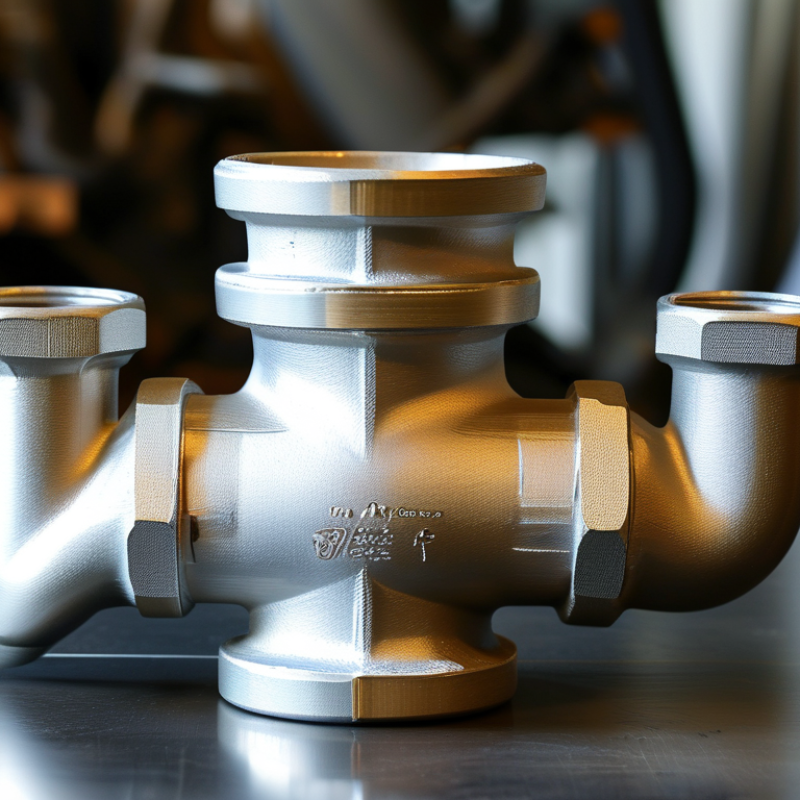
What are Grooved Pipe Fittings?
Grooved pipe fittings are a crucial component in modern piping systems. These fittings use a groove to connect pipes, offering a mechanical joint that is both reliable and efficient. The design allows for quick assembly and disassembly. According to industry reports, grooved fittings can reduce installation time by up to 30%. This efficiency can lead to significant labor cost savings.
The benefits extend beyond installation efficiency. Grooved pipe fittings enhance flexibility within piping systems. They accommodate thermal expansion and contraction, reducing the risk of leaks. In dynamic systems, this is particularly important. The adoption of these fittings is rising, with a growth rate of about 5% annually reported by industry analysts.
A key concern is the compatibility of materials. Not all configurations of grooved fittings work with every type of pipe. It's essential for engineers and buyers to assess specific project requirements. Some installations may require additional considerations for corrosion resistance. Knowledge of the environment is vital in selecting suitable materials. Therefore, while grooved fittings offer many advantages, a careful evaluation process is necessary.
What is Grooved Pipe Fittings and Their Benefits for Buyers?
| Dimension |
Material |
Application |
Benefits |
| 2 inches |
Stainless Steel |
Water Supply |
Corrosion resistance, durability |
| 3 inches |
Carbon Steel |
Fire Protection |
Ease of installation, cost-effective |
| 4 inches |
Ductile Iron |
HVAC Systems |
Improved flow, reduced leakage |
| 6 inches |
PVC |
Sewage Systems |
Lightweight, resistant to chemicals |
Key Features of Grooved Pipe Fittings
Grooved pipe fittings represent an innovative solution in modern piping systems. These fittings utilize a unique groove design that allows for quicker assembly and disassembly. Their easy installation can reduce labor costs by up to 40% compared to traditional welding methods, according to industry reports.
One of the key features of grooved pipe fittings is their ability to accommodate thermal expansion. They provide flexibility in piping systems, which can prevent stress fractures. Data shows that around 30% of piping system failures are due to thermal stress. By using grooved fittings, buyers can potentially avoid these failures.
Tip: When selecting grooved pipe fittings, consider materials and compatibility with existing systems. Proper alignment is crucial for optimal performance.
Additionally, the durability of these fittings enhances their appeal. They are often made from corrosion-resistant materials, extending the lifespan of the systems in which they are used. A report from the American Society of Mechanical Engineers notes that corrosion-led failures are responsible for approximately 50% of maintenance costs in pipe systems. By investing in quality grooved fittings, buyers can significantly reduce long-term maintenance expenses.
Tip: Always consult with a piping expert to verify specifications. Ensure that fittings meet project requirements accurately.
Advantages of Using Grooved Pipe Fittings
Grooved pipe fittings offer distinct advantages for buyers looking to enhance their plumbing systems. These fittings provide a reliable solution for joining pipes without the need for traditional welding methods. The grooved design allows for quick assembly and disassembly. This can save both time and labor costs on installation projects.
One significant benefit of grooved pipe fittings is their versatility. They can be used in various applications, from commercial buildings to industrial settings. Their adaptability to different types of pipes makes them a popular choice. Additionally, they are designed to withstand high pressure and temperature fluctuations, ensuring longevity.
However, it's essential to ensure proper installation to avoid potential leaks. While they are user-friendly, incorrect handling can lead to issues down the line. It's important to follow the manufacturer's guidelines for optimal performance. Buyers should also consider the system requirements before opting for grooved fittings. By weighing these factors, they can make informed decisions and enhance the efficiency of their plumbing systems.
Applications of Grooved Pipe Fittings in Various Industries
Grooved pipe fittings are increasingly popular across various industries due to their versatility and efficiency. These fittings are used in plumbing, HVAC, and fire protection systems. Their design allows for quick and secure connections, facilitating easier installation and maintenance. In manufacturing settings, grooved fittings support high-pressure applications and help with fluid transport.
One significant application is in the fire protection industry. Grooved fittings enable rapid installation of sprinkler systems, enhancing safety measures. Similarly, in HVAC systems, they can manage air, refrigeration, and gas flow effectively. The flexibility of these fittings allows for easy modifications or extensions to existing systems, promoting adaptability in dynamic environments.
**Tip:** Always ensure that the surfaces of grooved fittings are clean and debris-free before installation. This practice helps maintain system integrity.
Different materials, like carbon steel and stainless steel, can be used for grooved fittings depending on the application. Selecting the correct material is crucial for performance and longevity. Always consult with experts to confirm suitability for your specific needs.
**Tip:** Regularly inspect fittings for signs of wear or corrosion. Proactive maintenance can prevent costly repairs and ensure optimal functionality.
Applications of Grooved Pipe Fittings in Various Industries
Considerations When Purchasing Grooved Pipe Fittings
When considering grooved pipe fittings, several key factors come into play. Buyers should assess material quality carefully. The durability of fittings is paramount, as poor materials can lead to failures. Understanding the specific environment where these fittings will be used is crucial. For example, plumbing applications may require different materials compared to industrial cooling systems.
Next, fitting sizes and compatibility are critical. Proper sizing ensures a secure connection and prevents leaks. Buyers should have detailed measurements handy. Compatibility with existing systems is another concern. Mismatched fittings can complicate installations and lead to extra costs.
Cost is an obvious consideration, yet it shouldn’t be the only factor. Cheaper options may compromise quality. A balance between cost and reliability is essential. Buyers should research supplier reputations too. Recommendations and reviews provide insight into product performance. Reliable sources often highlight the experience of other users with specific fittings. Exploring these aspects ensures informed decisions when purchasing grooved pipe fittings.