2026 Best Pipe Coupling Types for Global Buyers

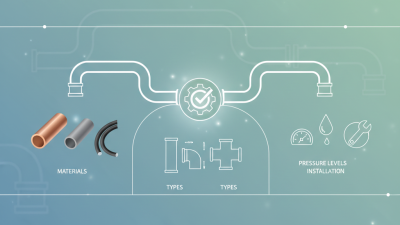
Choosing the right pipe coupling affects installation speed, leak prevention, maintenance, and long-term system safety. Global buyers face a crowded market, with threaded, grooved, compression, flanged, and electrofusion options available for different applications.

There is no universal winner. A coupling that performs well on a chilled-water line may fail on a chemical process system. Material compatibility, pressure rating, temperature range, pipe diameter, and movement tolerance require careful review. Stainless steel may suit corrosive environments, while ductile iron often supports robust water infrastructure. For HDPE pipelines, electrofusion couplings can provide reliable joints when surfaces are prepared correctly.

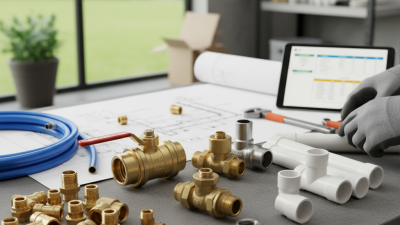
Details matter. Installation quality matters too. From practical sourcing experience, many failures begin with mismatched dimensions, unclear standards, or rushed tightening. Product photos rarely reveal these risks. Buyers should request technical datasheets, test reports, traceability records, and installation instructions from qualified manufacturers. Independent verification remains valuable when projects involve public utilities, industrial plants, or critical building services.

This guide to the 2026 best pipe coupling types for global buyers compares performance, connection methods, materials, applications, and purchasing considerations. It also examines recognized standards and supplier reliability without treating certification as a substitute for engineering judgment. Some recommendations may need adjustment after site inspection. That is worth admitting. Soil conditions, vibration, water chemistry, and local workmanship can change the practical result. Careful selection starts with the actual pipeline, not the product catalog.
2026 Best Pipe Coupling Types for Global Buyers

Classify Pipe Couplings by Connection Method, Material, and Service Pressure

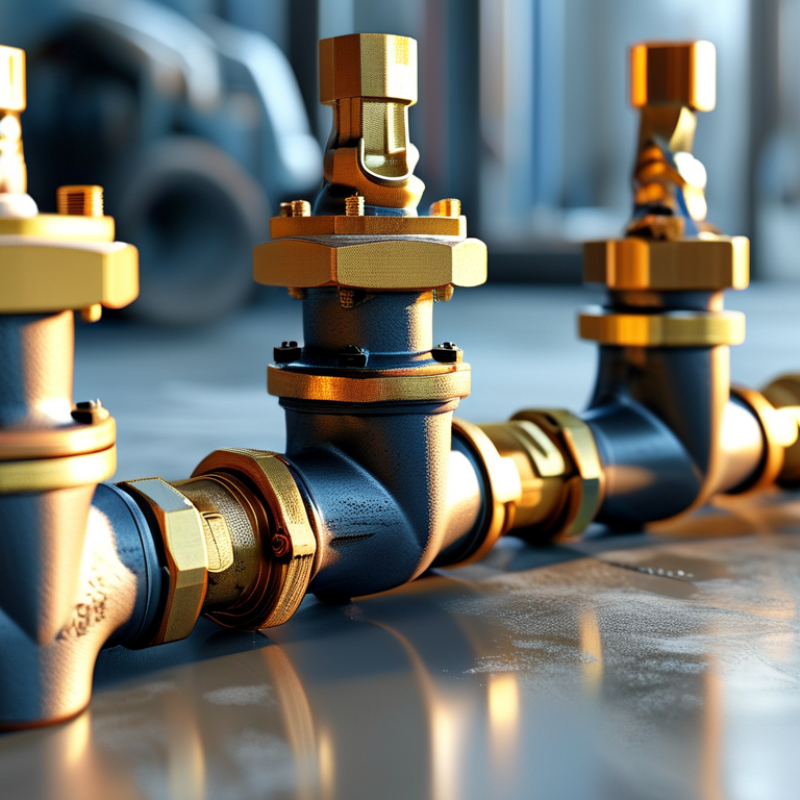
Pipe couplings should be classified by connection method, material, and service pressure. Threaded couplings suit smaller lines and moderate loads, especially where maintenance access is limited. Grooved couplings speed installation on commercial water systems. Flanged connections support larger pipes and frequent equipment removal. Socket-weld and butt-weld couplings provide strong, permanent joints, but they require controlled fabrication and skilled inspection.

Material selection must match the fluid, temperature, and surrounding environment. Carbon steel offers strength for many industrial services. Stainless steel performs better against corrosion and aggressive fluids. Ductile iron handles buried water lines well, while PVC and CPVC reduce weight in suitable low-temperature systems. Pressure ratings are not interchangeable. Check the coupling, pipe wall, gasket, bolts, and temperature together. The weakest component controls the assembly.

Tips: Confirm the actual operating pressure, surge pressure, pipe outside diameter, and installation space. Do not select by nominal size alone. A coupling rated for cold water may perform differently with heat or chemicals. In field work, I have seen correct-looking joints fail because the gasket material was overlooked. That mistake is easy to make. Review the supplier’s test data and applicable standards before ordering. It is also wise to leave room for thermal movement, though this detail is sometimes missed during quick replacement work.

Compare Threaded, Socket-Weld, Grooved, Compression, and Mechanical Couplings

2026 Best Pipe Coupling Types for Global Buyers

Threaded couplings suit smaller pipes and maintenance work where welding equipment is unavailable. Apply compatible sealant and avoid over-tightening, which can damage threads. Socket-weld couplings offer compact, strong joints for high-pressure systems. They require clean pipe ends, controlled heat, and qualified welding practice. A small installation error can create hidden stress.

Grooved couplings use prepared grooves, gaskets, and housings for fast installation. They handle vibration and some movement, but gasket selection remains critical. Compression couplings join pipes without heat, making them useful for repairs and sensitive work areas. Check pipe hardness, temperature, and pressure limits carefully. Mechanical couplings connect plain-end pipes and may be rigid or flexible. Correct bolt torque and alignment directly affect service life.

Tips: Match the coupling to pressure, temperature, pipe material, movement, and maintenance access. Inspect grooves, threads, gaskets, and bolt condition before assembly. Do not assume the fastest method is the cheapest. In field work, I have seen a suitable coupling fail because the pipe was poorly supported. Threaded designs can be practical, yet larger systems often expose their limits. Selection is not always obvious. Local standards and verified manufacturer data should guide the final decision.

Match Coupling Types to ASME B31.3, ISO 3183, and ASTM Material Standards

2026 Best Pipe Coupling Types for Global Buyers

Match Coupling Types to ASME B31.3, ISO 3183, and ASTM Material Standards

For global buyers, coupling selection starts with service conditions, not catalog appearance. ASME B31.3 does not prescribe one universal coupling type. It requires suitable design, materials, fabrication, examination, and testing for process piping. That distinction matters.

Threaded couplings may suit low-pressure utility lines, but they demand careful engagement and sealing control. Socket-weld couplings provide compact connections for smaller process lines. Butt-weld couplings support stronger, continuous joints when qualified welding procedures are available. Grooved couplings can reduce installation time, though their gaskets need temperature and chemical compatibility checks. ISO 3183 mainly covers line pipe requirements, so buyers should verify pipe outside diameter, wall thickness, grade, and end preparation before selecting a coupling. A coupling that fits is not automatically compliant.

ASTM standards help confirm material identity and mechanical performance. Carbon steel couplings may require matching forged or cast material specifications. Stainless and alloy systems need attention to corrosion, heat treatment, and filler compatibility. ASTM markings alone are insufficient. Review mill test reports, heat numbers, dimensional records, and pressure-test documentation. In project reviews, even experienced teams sometimes overlook galvanic contact between dissimilar metals.

Tips: Compare the coupling with ASME B31.3 design conditions, ISO 3183 pipe dimensions, and the exact ASTM material grade. Check temperature, pressure, corrosion allowance, installation space, and inspection access. Ask for traceability records before shipment. Small paperwork gaps can become expensive site delays.

2026 Best Pipe Coupling Types for Global Buyers

Matching coupling types with ASME B31.3, ISO 3183, and relevant ASTM material standards

The chart uses a practical 1–5 engineering alignment score, where 5 indicates the coupling type is commonly compatible with the scope and material references of the listed standards. ASME B31.3 governs process-piping design, ISO 3183 covers line pipe requirements, and ASTM A105, A182, A234, A403, A865, and A536 provide commonly referenced material specifications. The scores are for preliminary sourcing and should be confirmed against project pressure, temperature, corrosion, joining, and qualification requirements.

Evaluate Pressure, Temperature, NPS Size, and Leak-Resistance Requirements

Selecting the best pipe coupling begins with pressure and temperature, not price. A coupling must handle the system’s maximum working pressure and temperature together. Ratings can drop sharply as temperature rises. Check the manufacturer’s pressure-temperature table, not only the catalog headline.

Threaded couplings suit smaller NPS sizes and moderate service conditions. They install quickly, but damaged threads can create hidden leak paths. Socket-weld couplings offer strong, compact joints for high-pressure applications. Their installation requires controlled welding and careful inspection. Grooved couplings can reduce installation time on larger NPS lines. However, gasket compatibility and pipe-end condition remain critical. Flanged connections support easier maintenance, but they need correct bolt tightening and alignment.

I have seen projects select an NPS size from the drawing alone. That shortcut often fails. Confirm the actual outside diameter, wall thickness, and dimensional standard. For leak resistance, compare gasket material, sealing geometry, vibration exposure, and thermal cycling. A rigid joint may resist movement, yet transfer stress into nearby equipment. Flexible designs can absorb movement, but excessive deflection may weaken the seal. Keep records of torque, weld inspection, and pressure testing. Small details matter. A clean chart is helpful, but real projects rarely stay clean. Recheck assumptions when fluids, temperatures, or installation conditions change.

Select Global Couplings Using EN, ASME, API, ISO, and Regional Compliance Data

Global coupling selection starts with service conditions, not catalogue names. The IEA Oil 2024 report expects global oil demand to reach 105.4 million barrels per day by 2029. That growth increases pressure on connection reliability, especially in remote pipelines and processing facilities. Threaded couplings suit smaller lines and maintenance work, while socket-weld and flanged connections offer stronger control for higher-pressure systems.

For North American projects, check ASME B16.5 for flange dimensions, ASME B16.11 for forged fittings, and API 5CT for casing and tubing couplings. ISO 13679 provides connection-testing guidance for petroleum applications, while ISO 15156 addresses material selection in hydrogen-sulfide environments. European buyers should verify EN requirements, pressure equipment classification, and EN 10204 material certificates. Regional records matter. A technically correct coupling can still fail procurement review.

Documentation is part of the product. Request heat numbers, pressure ratings, thread data, impact-test results, and traceability records. ISO’s 2023 certification survey reported more than one million ISO 9001 certificates worldwide, but certification alone does not prove coupling suitability. It only supports process confidence.

Small details matter.

A common mistake is treating “compliant” as universal. It is not. Confirm temperature, fluid chemistry, wall thickness, joining method, and local inspection rules before approval. Grooved couplings may reduce installation time, yet vibration and fire-protection requirements can change the decision. Field audits often expose missing certificates after delivery. That lesson is costly, and still frequently ignored.

Start WhatsApp Chat Start WhatsApp Chat
Valves

Valves

Water Meters

MS Forged Pipe Fittings

Fittings

Water Meters

Valves

DI Grooved Fittings (UL/FM)

Water Meters

DI Screwed Fittings (UL/FM)

Fittings

Composite Pipes & Fittings

Site Credits : Seigospace