How to Choose the Best Water Totalizer for Your Needs?
In the world of water management, choosing the right water totalizer is crucial. Renowned expert Dr. Rachel Waters states, "The key to efficient water usage lies in selecting the appropriate totalizer." With numerous options available, identifying the best water totalizer can be overwhelming.
Understanding your unique needs is the first step. Water totalizers vary in accuracy, features, and price points. Some may excel in measuring small volumes, while others are designed for large-scale consumption. Consider factors like installation requirements and compatibility with existing systems. A mismatched totalizer can lead to inaccurate readings and increased costs.
Reflect on your specific requirements. Are you tracking household consumption, or do you need industrial-grade efficiency? Evaluating these factors helps ensure you make an informed decision. A well-chosen water totalizer enhances resource management and fosters sustainability. Seek expert opinions and read reviews, but remember that personal experiences vary. Each situation presents its own challenges, so be prepared for adjustments along the way.
Understanding Water Totalizers: What They Are and How They Work
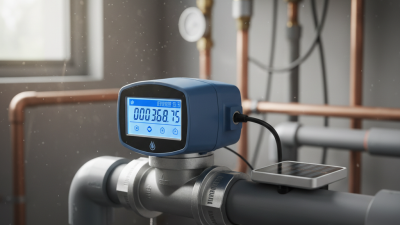
Understanding water totalizers is essential for efficient water management. These devices measure total water usage over time, providing insight into consumption patterns. They are commonly used in households, agriculture, and industries to monitor and control water usage effectively. Typically, a water totalizer consists of a flow sensor, a display unit, and sometimes a communication interface to report data. They work by measuring the volume of water passing through a pipe, often utilizing mechanical or electronic methods.
When choosing a water totalizer, consider the specific needs of your application. The required flow rate, accuracy level, and functionality are crucial factors. Not all models fit every situation. Some may lack features needed for specific tasks. Investing time in understanding your requirements can lead to better choices.
Consider location and installation type as well. A poorly placed totalizer can yield inaccurate readings. Ensure it is easy to access for maintenance. An ideal totalizer should provide clear readings and be robust against environmental factors. Regular calibration checks can help maintain accuracy. Opt for models that allow for simple upgrades or integration with other systems. This adaptability is key as your needs may evolve over time.
How to Choose the Best Water Totalizer for Your Needs?
| Feature |
Option A |
Option B |
Option C |
| Type |
Digital |
Mechanical |
Analog |
| Measurement Range |
0-999,999 gallons |
0-1,000,000 gallons |
0-500,000 gallons |
| Battery Life |
5 years |
N/A |
2 years |
| Installation Type |
DIY |
Professional Required |
Plug-and-Play |
| Display Type |
LCD |
Mechanical Counter |
Analog Dial |
| Average Price |
$150 |
$100 |
$80 |
Key Factors to Consider When Choosing a Water Totalizer
When selecting a water totalizer, several factors merit careful consideration. Start with the measurement range. Knowing the volume of water you need to track is crucial. Some models may only record smaller volumes, while others handle larger flows. Additionally, consider the accuracy. A higher precision level is often essential for both residential and industrial applications.
Another important aspect is the display features. Look for a totalizer that is easy to read. A clear digital display can save time and reduce errors. Some totalizers feature multi-line displays, which can show current flow rates alongside total volume. It is also wise to pay attention to the installation requirements. Complex installations can lead to unexpected costs.
Lastly, don’t overlook the durability of the unit. Materials that resist corrosion and wear will ultimately save you money and headaches. Check user reviews for insights on long-term reliability. A decision made without thorough research could lead to dissatisfaction later. Think twice about the specifications and what they mean for your specific use.
Different Types of Water Totalizers and Their Applications
When selecting a water totalizer, understanding its types is essential.
Mechanical totalizers are common. They use gears and can endure harsh environments. These are reliable for manual readings. However, they can be prone to wear over time. Ensure to inspect them regularly for accuracy.
Electronic totalizers are gaining popularity. They offer digital readings and can often connect to data logging systems. This is useful for tracking usage over time. Still, they may require more maintenance. Battery life and software updates are crucial considerations.
Ultrasonic totalizers provide a non-invasive option.
They measure flow without contact, making them ideal for sensitive applications. However, they can be more expensive initially. It's important to assess the return on investment. Each type has strengths and weaknesses. Your specific needs will determine the best choice.
Evaluating Accuracy and Reliability in Water Totalizers
When selecting a water totalizer, accuracy and reliability should be your top priorities. Inaccurate measurements can lead to significant waste and unexpected costs. Reliable devices are essential for ensuring you only use the water you need. Check the specifications and calibration options of potential totalizers. A well-calibrated device will give you confidence in reading and managing your water usage.
Keep in mind that not all water totalizers are created equal. Some may perform better in certain conditions than others. For instance, environmental factors such as temperature and pressure can influence accuracy. Real-life testing can reveal nuances that specifications do not cover. Ask for user feedback to gain insights into performance over time. Remember, a totalizer that works well for one person might not meet your needs.
Consider the maintenance required for the device you choose. Some models require regular calibration and upkeep to maintain performance. This can be a hassle for some users, creating potential issues. Balancing convenience with accuracy is crucial for a satisfactory choice. Evaluate how much time and effort you can commit to ensure lasting reliability. A thoughtful approach will lead you to a water totalizer that truly meets your needs.
Budgeting for Your Water Totalizer: Cost vs. Value
When budgeting for a water totalizer, it's crucial to focus on cost versus value. The initial price may be tempting, but long-term benefits matter more. Some models may seem affordable, yet they lack accuracy or durability. Investing in reliable technology can save money over time.
Consider the features that align with your needs. Basic models may suffice for smaller households. However, large properties might require advanced options. Don't be swayed by flashy gadgets. Instead, prioritize reliability and accurate measurement.
Reflect on your water consumption patterns. Will you use the totalizer frequently? A more expensive yet dependable option will yield better results. Ultimately, the goal is to achieve efficient water use. Remember, the best choice isn’t always the cheapest one. Evaluate all factors carefully.