
Why Choose the Right Refrigeration Unit?

Choosing the right Refrigeration Unit affects product quality, energy use, maintenance costs, and daily business reliability. A unit that looks affordable may consume excessive power or struggle during peak demand. A correctly selected system keeps temperatures stable, even when doors open repeatedly or deliveries arrive warm.

Practical experience shows that capacity is only one part of the decision. Room size, insulation, ambient temperature, humidity, airflow, and product loading all matter. A small grocery freezer may need fast recovery after frequent access. A restaurant cold room may require stronger performance during busy evening service. Condensation on the floor can reveal poor installation or insufficient drainage.

The best choice begins with accurate operating information. Measure the room, record temperature patterns, and review the manufacturer’s performance data. Ask qualified refrigeration technicians to check electrical requirements, ventilation, controls, and service access. Reliable suppliers should explain warranty terms clearly and provide realistic maintenance guidance.

Energy efficiency also deserves careful attention. A cheaper unit can become expensive after years of higher electricity bills. However, the most efficient model is not always suitable for every site. This is where judgment matters.

There is no perfect calculation. Unexpected heat, staff habits, and changing stock levels can affect performance. I have seen well-designed systems underperform because filters were neglected or airflow was blocked. That lesson is easy to overlook.

Selecting a Refrigeration Unit is therefore a practical balance between performance, durability, safety, and long-term operating value. The right decision protects stored goods and supports more dependable daily work.
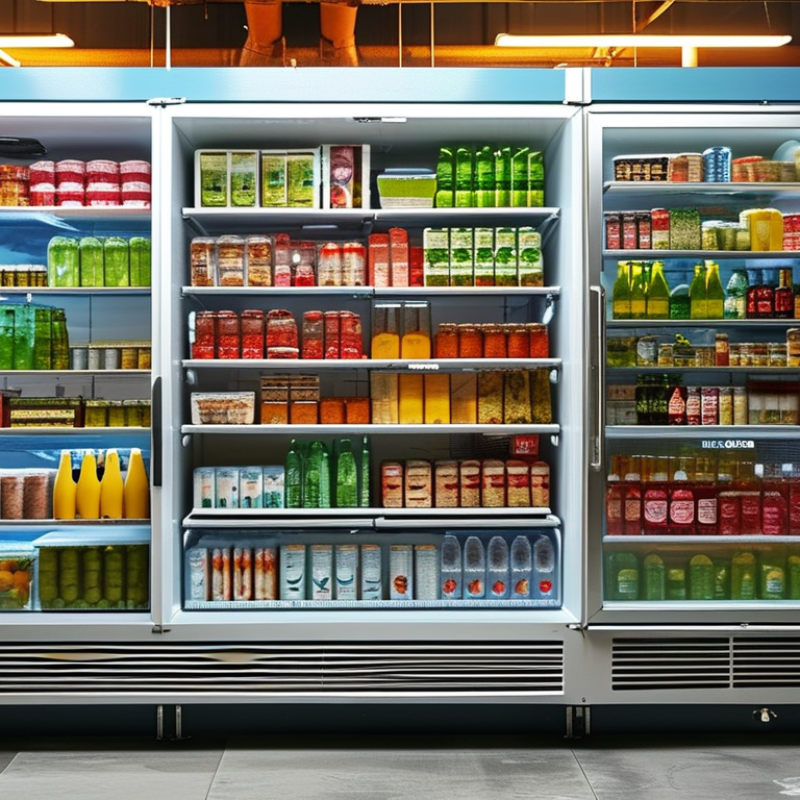
Why Choose the Right Refrigeration Unit?

What Is a Refrigeration Unit and Why Does It Matter?

What Is a Refrigeration Unit and Why Does It Matter?

A refrigeration unit removes heat from an enclosed space and releases it elsewhere. It keeps food, medicine, and temperature-sensitive materials within a controlled range. The system usually includes a compressor, condenser, evaporator, refrigerant, fans, and sensors. Each part has a specific job. If one part struggles, the whole system may consume more energy or lose cooling performance.

In practical work, small details often reveal larger problems.

A technician may find ice around an evaporator, unusual compressor noise, or warm air near a door seal. These signs should not be ignored. I have seen units continue running while internal temperatures slowly rise. The display looked normal at first. A calibrated thermometer showed otherwise. Regular temperature checks, coil cleaning, and airflow inspections provide more reliable information than appearance alone.

Choosing the right refrigeration unit depends on the room size, product load, ambient temperature, and operating schedule. A unit designed for a small storage room may fail in a busy kitchen. An oversized system can also cycle poorly and waste electricity. I once underestimated how often a door was opened. That mistake changed the required capacity. Energy ratings matter, but they do not replace proper installation and maintenance. A qualified professional should verify electrical requirements, ventilation space, drainage, and temperature control before operation. Some assumptions are worth questioning.


How Refrigeration Units Differ by Application and Operating Conditions

Why Choose the Right Refrigeration Unit?

Refrigeration units differ because applications rarely share the same workload. A walk-in room may need steady cooling for stored produce, while a delivery vehicle faces frequent door openings. These conditions change heat load, airflow, and recovery time. Ambient temperature matters too. A unit working beside a hot loading bay needs more capacity than one installed indoors. Humidity can also create frost, especially when warm air enters repeatedly.

Selecting capacity from room size alone is a common mistake. A professional assessment should consider product temperature, insulation, door frequency, ventilation, and required pull-down speed. Frozen goods often need lower evaporating temperatures, while fresh foods may require stable humidity control. Electrical supply and available service access also affect reliability. In practice, calculations are useful, but site observations reveal problems that drawings can miss. I have seen apparently suitable systems struggle because doors remained open longer than expected. The original estimate was not always wrong; the operating assumptions were incomplete.

Tips: Record door openings during busy periods. Check the hottest surrounding temperature. Leave space around condenser coils. Clean airflow paths regularly. Do not oversize automatically. An oversized unit may cycle too often, waste energy, and control temperature poorly. Small details matter.

Which Performance Factors Should You Compare Before Choosing?

Why Choose the Right Refrigeration Unit?

Which Performance Factors Should You Compare Before Choosing?

Cooling capacity is only the starting point. Compare rated capacity, COP or EER, pull-down time, and daily energy use under identical test conditions. The International Energy Agency reports that global cooling demand could more than triple by 2050 without stronger efficiency improvements. That makes every kilowatt-hour important. Still, efficiency figures can mislead when operating conditions differ.

Check performance at your actual ambient temperature. A unit tested at 25°C may struggle in a hot kitchen or warehouse. ASHRAE guidance highlights product load, door openings, air infiltration, and room temperature as key refrigeration loads. Ask for high-ambient capacity data, temperature recovery time, and stable cabinet temperature. Short recovery matters during busy service.

Daily energy use matters more than compressor size. U.S. Department of Energy standards evaluate commercial refrigeration equipment using measured energy consumption, often in kWh per day. Compare that value, not just input power. Review defrost cycles, fan operation, noise, and heat rejected into the room. Service access also affects real performance. A blocked condenser can quietly increase energy use.

I would not trust one impressive number. It is tempting. Require test conditions, tolerances, and maintenance assumptions in writing. Some specifications remain incomplete, and that should influence the purchase decision.

How Energy Use, Maintenance, and Reliability Affect Total Cost

Why Choose the Right Refrigeration Unit?

Energy use, maintenance, and reliability shape a refrigeration unit’s total cost. The purchase price is only the visible number. The U.S. Department of Energy’s Better Buildings program notes that refrigeration can consume roughly 40% of a grocery store’s electricity. A small efficiency gap therefore becomes expensive over years. EPA GreenChill materials also report historical supermarket refrigerant leak rates near 25% annually. Leaks increase energy demand, service calls, and product-loss risks.

In practical maintenance work, blocked condenser coils often tell the story. The unit may sound normal, yet its compressor runs longer and warmer. Door seals, fan motors, drain lines, and controls deserve similar attention. Reliability is not simply “never failing.” It means stable temperatures, accessible components, and clear fault alerts. A cheaper unit can lose its advantage after one overnight failure. Still, energy ratings do not predict every site condition. Poor airflow or frequent door opening can undermine excellent specifications. That is where many purchasing plans fall short.

Tips

Compare lifetime operating cost, not only the invoice. Request measured energy data under conditions similar to your facility. Schedule coil cleaning and seal inspections before peak seasons. Keep a simple log of temperatures, alarms, repairs, and electricity use. Review it quarterly. Your first estimate may be wrong. Update it.

What Safety and Compliance Requirements Should Guide Your Decision?

Why Choose the Right Refrigeration Unit?

Safety and compliance should guide every refrigeration decision, not just cooling capacity. A suitable unit protects workers, stored products, and the building itself.

Check whether the equipment meets current electrical, pressure, fire, and refrigerant requirements in your location. Requirements vary by industry and jurisdiction. Confirm approved refrigerant use with a qualified technician. Some refrigerants require stronger ventilation, leak detection, or restricted access. The installation area should allow clear airflow and safe maintenance access. Emergency shutoff controls must remain visible and reachable.

Food-related operations also need stable temperature control and reliable monitoring. Place calibrated sensors near the warmest points, not only beside the evaporator. Keep temperature records that staff can review during inspections. Maintenance logs should include leak checks, electrical testing, alarm tests, and replaced components. Train employees before they enter service areas. Protective equipment matters.

Small details often reveal larger risks. A loose panel can expose moving parts. A blocked drain can create slippery flooring. A noisy compressor may signal a developing fault. I have seen teams treat alarms as minor inconveniences, then struggle during an inspection. That assumption deserves reconsideration. No checklist is perfect. Review the unit after seasonal changes, layout modifications, and unusual temperature readings. Ask an independent, licensed professional to verify commissioning documents and ongoing compliance.

Why Choose the Right Refrigeration Unit? - What Safety and Compliance Requirements Should Guide Your Decision?
Decision Dimension Safety or Compliance Requirement Relevant Standard or Reference What to Verify Before Selection Priority
Refrigerant Classification Identify the refrigerant safety group according to toxicity and flammability. Common classifications include A1, A2L, A3, B2L and B3. ASHRAE Standard 34; ISO 817 Confirm the refrigerant designation, safety group, charge size, installation location and whether the room has adequate ventilation and access controls. Critical
Refrigerant Charge and Occupancy Permitted refrigerant charge depends on the refrigerant properties, room volume, equipment type and occupancy conditions. EN 378; ISO 5149; applicable national regulations Obtain the manufacturer’s charge limit and verify that it is suitable for the smallest occupied space where the unit may be installed. Critical
Leak Detection and Alarm Systems Flammable, toxic or high-charge systems may require refrigerant detection, audible or visual alarms, automatic isolation and emergency procedures. EN 378; ISO 5149; local fire and building codes Check sensor type, detection location, alarm set points, calibration interval, alarm power backup and connection to ventilation or shut-off systems. High
Ventilation and Emergency Response Mechanical or natural ventilation may be needed to prevent hazardous refrigerant concentrations after a leak. EN 378; ISO 5149; local mechanical and fire codes Verify airflow capacity, discharge location, emergency switches, restricted access requirements and documented evacuation procedures. Critical
Pressure Protection Pressure vessels, piping and safety devices must be designed, tested and protected against excessive operating pressure. EN 378; ISO 5149; applicable pressure-equipment legislation Review design pressure, relief-device settings, pressure-test records, vessel documentation and required inspection intervals. Critical
Electrical Safety Electrical components must be suitable for the equipment environment and protected against electric shock, overheating and moisture. IEC 60335-1; IEC 60335-2-40; IEC 60335-2-89; IEC 60529 Check electrical protection, grounding, overcurrent protection, enclosure rating, cable routing and compatibility with the available supply. Critical
Flammable Refrigerant Controls Units using A2L or A3 refrigerants require controls that reduce ignition risk and manage refrigerant release. IEC 60335-2-40; IEC 60335-2-89; EN 378; ISO 5149 Confirm approved component selection, ignition-source control, refrigerant circuit integrity, charge limitation and service procedures. Critical
Food and Product Safety Temperature control must protect products from unsafe temperature excursions and support documented monitoring. HACCP principles; applicable food-safety legislation Verify temperature range, uniformity, alarm functions, data logging, calibration requirements, defrost performance and recovery time. High
Environmental Compliance Refrigerant selection should consider global warming potential, ozone-depletion impact, recovery obligations and phase-down rules. Montreal Protocol; applicable national or regional F-gas legislation Record refrigerant type and charge, review current and future restrictions, and confirm recovery, recycling and end-of-life procedures. High
Energy Performance Energy efficiency affects operating cost, indirect greenhouse-gas emissions and total ownership cost. Applicable energy-labeling, ecodesign or minimum-efficiency regulations Compare rated power, annual energy use, part-load performance, standby consumption, heat-rejection requirements and operating conditions. Standard
Installation and Service Access Safe installation and maintenance require adequate clearances, isolation points, competent personnel and documented procedures. EN 378; ISO 5149; local occupational-safety regulations Confirm service clearance, lifting requirements, isolation valves, lockout/tagout provisions, refrigerant recovery access and technician qualifications. High
Documentation and Traceability Compliance depends on accessible technical documentation, declarations, test evidence and maintenance records. Applicable conformity-assessment and product-safety legislation Request installation instructions, wiring diagrams, safety data, conformity documents, pressure-test records, inspection schedules and spare-parts information. High
Requirements vary by refrigerant, charge size, equipment category, installation location and jurisdiction. The applicable edition of each standard and all local fire, electrical, pressure-equipment, environmental and food-safety regulations should be confirmed before purchase and installation.
Start WhatsApp Chat Start WhatsApp Chat
Valves

Valves

Water Meters

MS Forged Pipe Fittings

Fittings

Water Meters

Valves

DI Grooved Fittings (UL/FM)

Water Meters

DI Screwed Fittings (UL/FM)

Fittings

Composite Pipes & Fittings

Site Credits : Seigospace