
What Is a Vacuum Bag for Meat?

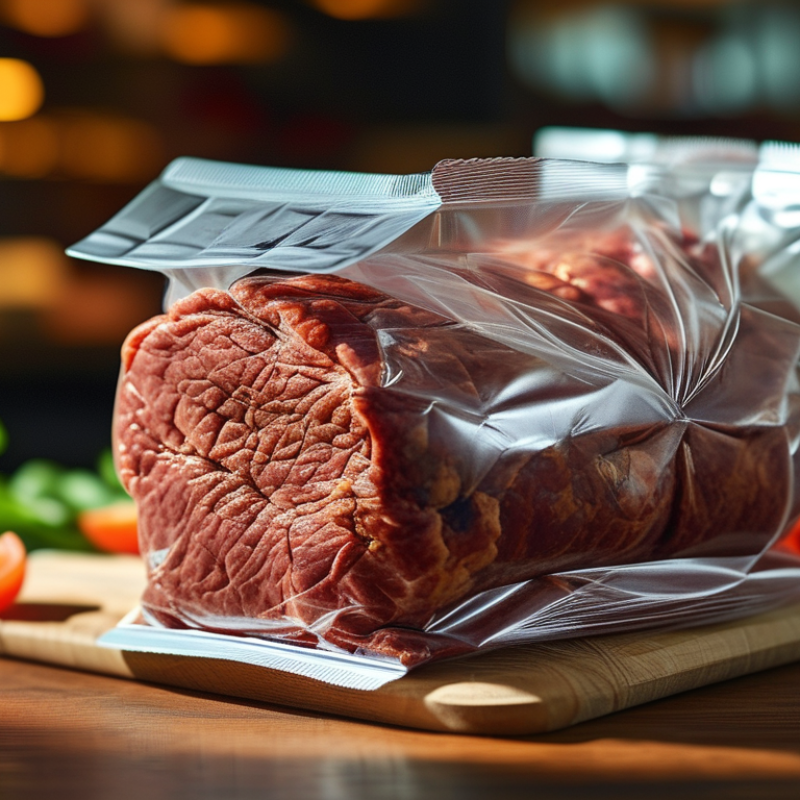
A vacuum bag for meat is a food-grade pouch designed to remove air before sealing. It presses closely against steaks, chops, or ground meat. This tight barrier helps reduce oxygen exposure, freezer burn, moisture loss, and unpleasant odors. The result is practical, not magical.

The global vacuum packaging market was valued at approximately USD 29 billion in 2023, according to Grand View Research. The report identifies food packaging as a major application, supported by demand for longer freshness and reduced food waste. PMMI’s 2023 packaging trends research also highlights sustainability, portion control, and extended shelf life as important priorities for food producers. These figures explain the commercial interest in Vacuum Bags Meat, from butcher counters to home freezers.

“Vacuum packaging is not a substitute for refrigeration,” explains Dr. Kevin Keener, a Purdue University food-processing expert. His warning deserves attention. Removing air does not destroy every microorganism. Meat still requires proper chilling, clean handling, and safe cooking. USDA guidance recommends keeping refrigerated meat at 40°F or below and freezing it when storage will be extended.

A good bag should resist punctures from sharp bone edges. It should also match the sealer, material, and intended storage temperature. Smooth bags may suit chamber machines, while textured bags often support external suction sealers. Small details matter.

One limitation remains easy to overlook. Vacuum sealing can hide spoilage signs, including odor changes or surface discoloration. Therefore, appearance alone cannot confirm safety. Used correctly, Vacuum Bags Meat can protect quality and reduce waste. Used carelessly, they may create false confidence.
What Is a Vacuum Bag for Meat?

Definition and Purpose of a Vacuum Bag for Meat

What Is a Vacuum Bag for Meat?

Definition and Purpose of a Vacuum Bag for Meat

A vacuum bag for meat is a food-safe pouch designed to remove air before sealing. Most bags use several plastic layers for strength, flexibility, and moisture resistance. The sealed pouch holds meat tightly and limits contact with oxygen.

Its main purpose is to support safer, cleaner storage. Less air can reduce freezer burn, surface drying, and unpleasant odor transfer. It can also help preserve the meat’s texture during refrigerated or frozen storage. A tightly sealed bag may prevent leaking when raw meat rests on a refrigerator shelf.

But vacuum sealing does not make meat shelf-stable. It does not replace refrigeration, freezing, or proper cooking. Meat should be handled with clean hands and stored promptly at safe temperatures. A low-oxygen package can still become unsafe when storage conditions are poor.

Small details matter. A sharp bone may puncture the bag, so folded edges or bone guards can help. Liquid near the sealing area may weaken the seal. I would leave enough space above the meat for a firm closure. The process is not foolproof. A careful handler should inspect the seal, check for leaks, and label the package with the packing date. For sous vide cooking, use bags intended for cooking and follow tested time and temperature guidance.


Materials, Structure, and How Vacuum Sealing Works

A vacuum bag for meat is a flexible, multilayer package designed to remove air around the product. Its inner layer is usually food-contact polyethylene, while nylon adds puncture resistance and strength. Some structures include an oxygen-barrier layer, such as EVOH, to slow oxidation. That matters when exposed fat turns rancid or bright meat loses its fresh appearance.

The sealing process is simple but precise. A machine removes air, then heat bonds the open edge. With less oxygen, aerobic bacteria grow more slowly, and freezer burn becomes less likely.

The seal must remain smooth and continuous. A tiny bone fragment or meat juice can create a hidden leak. It happens more often than people expect. The bag should fit closely, but excessive stretching can weaken its corners.

Vacuum sealing does not make meat shelf-stable. USDA FSIS guidance warns that reduced-oxygen packaging still requires strict temperature control because some dangerous microorganisms can grow without oxygen. The FDA Food Code also treats reduced-oxygen packaging as a controlled process.

Globally, the UNEP Food Waste Index Report 2024 estimated 1.05 billion tonnes of food were wasted in 2022. Better packaging may reduce waste, but it cannot replace refrigeration, clean handling, or validated storage limits.

A useful reflection is this: less air improves preservation, yet it can also hide spoilage signs. Temperature records remain essential.

Types of Meat Suitable for Vacuum Bagging

What Is a Vacuum Bag for Meat?

Types of Meat Suitable for Vacuum Bagging

A vacuum bag removes air around meat and creates a tight, protective seal. It can reduce freezer burn, surface drying, and odor transfer. However, vacuum packing does not sterilize meat or stop every foodborne hazard.

Beef, pork, lamb, chicken, turkey, and many fish cuts suit vacuum bagging. Steaks keep their shape well, while ground meat should be flattened into thin portions. Bones may puncture the plastic, so wrap sharp edges before sealing. Fatty cuts can also benefit, but excess liquid may weaken the seal. I have found that a dry surface seals more reliably. That small step is easy to overlook.

The USDA Food Safety and Inspection Service advises keeping refrigerated food at 40°F or below. The FDA Food Code 2022 uses 41°F as the cold-holding limit. Store sealed meat promptly, and never treat the bag as a substitute for refrigeration. The FAO Food Outlook 2024 estimated global meat production at about 364 million tonnes, showing the scale of meat handling worldwide. Still, household storage needs stricter attention than production statistics suggest.

Tips: Pat meat dry first. Leave space near the opening. Label the cut, weight, and packing date. Freeze delicate fish flat. Check seals for leaks before stacking. When thawing, use a refrigerator, not a warm counter. I sometimes leave too much empty space, which wastes freezer room and weakens the package shape.

What Is a Vacuum Bag for Meat?

Vacuum bags remove most air from around meat, helping reduce freezer burn and preserve quality. The chart shows common freezer-storage periods for best quality when meat is sealed in an airtight package, including a vacuum bag.

Storage periods are approximate quality guidelines, not guarantees of safety. Keep frozen food at 0°F (-18°C) or below, thaw meat safely, and follow local food-safety guidance. Suitable options include beef steaks and roasts, pork chops and roasts, lamb cuts, ground meat, and poultry.

Step-by-Step Guide to Sealing Meat in a Vacuum Bag

What Is a Vacuum Bag for Meat?

A vacuum bag is a food-safe pouch designed to hold meat while air is removed. Less air can reduce oxidation, freezer burn, and moisture loss. It does not sterilize meat or make unsafe storage harmless. Refrigeration and careful handling still matter.

Step-by-Step Guide to Sealing Meat in a Vacuum Bag

Wash your hands and clean the work surface before handling the meat. Keep the meat cold, ideally straight from the refrigerator. Pat it dry with a clean paper towel. Extra moisture can interfere with the seal. Cut large pieces into practical portions, then place each portion inside the bag. Leave about 7–10 centimeters of open space at the top. This space helps the machine create a firm seal.

Keep the bag opening clean and flat. Fold the edge outward while inserting the meat, then unfold it before sealing. Smooth away sharp bones or corners that might puncture the plastic. Start the vacuum cycle and watch the bag tighten around the meat. Seal it twice if the first line looks uneven. Check for trapped air, leaks, or wrinkles near the seal. A small mistake can spoil the result. I once left a wet edge inside the opening, and the seal failed overnight. Label the package with the cut and date. Refrigerate or freeze it promptly, and never reuse a bag that held raw meat.

Safe Storage, Thawing, and Cooking Practices

What Is a Vacuum Bag for Meat?

Safe Storage, Thawing, and Cooking Practices

A vacuum bag removes most air around meat and limits freezer burn, leaks, and odor transfer. It does not make meat shelf-stable. Keep sealed meat at 4°C or below in the refrigerator, or at -18°C in the freezer. Use bags labeled for food contact and the intended temperature. Ordinary plastic bags can soften, split, or release unwanted substances during heating. I still check the seal twice, especially when storing sharp-boned cuts.

Thaw meat in the refrigerator, not on the kitchen counter. For faster thawing, place the sealed bag in cold water and change the water every 30 minutes. A damaged seal needs immediate attention. Transfer the meat to a clean container, because raw juices can contaminate nearby food. Do not refreeze meat that has warmed above safe refrigeration temperatures. That rule is easy to overlook.

Vacuum bags can support sous vide cooking, but only when the bag is heat-rated and properly sealed. Follow a tested time-and-temperature process, then verify doneness with a food thermometer. Whole cuts often require a rest after reaching a safe internal temperature; ground meat and poultry need higher targets. Never assume a long water bath fixes poor handling. After cooking, serve promptly, or chill the sealed bag quickly in ice water before refrigerating. Reheating is not a substitute for safe storage, and I sometimes underestimate how quickly a warm bag cools.

What Is a Vacuum Bag for Meat? - Safe Storage, Thawing, and Cooking Practices

Topic Recommended Practice Time or Temperature Guide Important Safety Detail
Purpose of a Vacuum Bag A vacuum bag removes most air from around the meat and creates a sealed package. Use for refrigerator storage, freezer storage, portioning, or cooking methods designed for sealed bags. Vacuum sealing slows oxidation, freezer burn, and moisture loss, but it does not sterilize meat or make it safe at room temperature.
Bag Selection Choose a food-grade bag that is specifically labeled for the intended use. Use freezer-rated bags for freezing and heat-rated bags for sous vide or other heated cooking. Do not heat ordinary storage bags unless the packaging clearly states that they are suitable for cooking.
Before Sealing Keep meat cold, remove bones or sharp edges that could puncture the bag, and wipe the sealing area dry. Refrigerate meat at 40°F (4°C) or below before and after sealing. Use a clean bag and clean work surface. Seal raw meat separately from ready-to-eat foods.
Refrigerated Raw Beef, Pork, Lamb, or Veal Store sealed meat in the coldest part of the refrigerator rather than in the door. Use within 3–5 days at 40°F (4°C) or below. Vacuum packaging does not extend safe refrigerator storage indefinitely. Freeze meat if it will not be used within this period.
Refrigerated Raw Poultry or Ground Meat Keep sealed and refrigerated immediately after packaging. Use within 1–2 days at 40°F (4°C) or below. Ground meat and poultry generally require a shorter refrigerator storage period than whole cuts.
Refrigerated Cooked Meat Cool cooked meat promptly in shallow containers before sealing or package it after it has cooled safely. Use within 3–4 days at 40°F (4°C) or below. Refrigerate within 2 hours of cooking, or within 1 hour when the surrounding temperature is above 90°F (32°C).
Freezer Storage Label each package with the food name and packing date, then freeze at 0°F (-18°C) or below. Food kept continuously frozen at 0°F (-18°C) or below remains safe indefinitely; recommended periods mainly protect quality. For best quality, use most vacuum-packed meat within approximately 6–12 months, depending on the cut and freezer conditions.
Thawing in the Refrigerator Place the sealed bag on a tray to prevent leaks and thaw gradually in the refrigerator. Allow approximately 24 hours for each 5 pounds (2.3 kg) of frozen food, depending on thickness. This is the safest method. Meat thawed in the refrigerator may generally be refrozen without cooking, although quality may decline.
Cold-Water Thawing Keep the meat in a leak-proof bag and submerge it in cold tap water. Change the water every 30 minutes and cook immediately after thawing. Never use warm or hot water, because the outer surface can enter the bacterial growth danger zone while the center remains frozen.
Microwave Thawing Use the microwave only when the meat will be cooked immediately afterward. Follow the appliance instructions and rotate or separate pieces as needed. Partial cooking can occur during microwave thawing, so do not return the thawed meat to the refrigerator or freezer uncooked.
Countertop Thawing Do not thaw vacuum-packed meat on the kitchen counter, in a sink, or outdoors. Keep perishable meat out of the temperature danger zone whenever possible: 40–140°F (4–60°C). The outside can become unsafe before the inside has thawed. Use refrigerator, cold-water, or microwave thawing instead.
Cooking Whole Cuts of Beef, Pork, Lamb, or Veal Cook until the thickest part reaches the recommended internal temperature, then check with a food thermometer. 145°F (63°C), followed by a 3-minute rest. Insert the thermometer into the thickest portion without touching bone or the cooking bag.
Cooking Ground Meat Cook ground beef, pork, lamb, or veal thoroughly throughout. 160°F (71°C). Color is not a reliable safety indicator. Verify the temperature in the center of the thickest portion.
Cooking Poultry Cook whole poultry, poultry pieces, and ground poultry until the thickest part reaches the safe internal temperature. 165°F (74°C). Check the thickest area of the breast, thigh, or other portion without touching bone.
Sous Vide or Bagged Cooking Use a bag rated for the cooking temperature, remove excess air, and keep the food fully submerged. Follow a tested time-and-temperature recipe and verify the final internal temperature with a thermometer. Low-temperature cooking requires precise temperature control. Do not rely on a vacuum seal alone to destroy pathogens.
After Bagged Cooking Serve immediately, or cool the cooked meat rapidly before refrigeration. For storage, divide into shallow portions and refrigerate at 40°F (4°C) or below. Do not leave cooked meat in a warm, sealed bag for extended periods. Reheat leftovers to 165°F (74°C).
Damaged or Inflated Package Inspect the seal and bag before use. Discard meat if the package leaks, is swollen, or has an unusual odor or appearance. When in doubt, do not taste the food. A vacuum seal is not a guarantee of safety. Discard any product that may have been held at unsafe temperatures.
Key reminder: Vacuum-packed meat still requires strict time and temperature control. Keep it cold, thaw it safely, use an appropriate cooking bag, and verify doneness with a food thermometer.
Start WhatsApp Chat Start WhatsApp Chat
Valves

Valves

Water Meters

MS Forged Pipe Fittings

Fittings

Water Meters

Valves

DI Grooved Fittings (UL/FM)

Water Meters

DI Screwed Fittings (UL/FM)

Fittings

Composite Pipes & Fittings

Site Credits : Seigospace