Top Rugby Clothing Manufacturers in China for Global Buyers?
Rugby has gained immense popularity worldwide. This surge has led to a growing demand for quality rugby apparel. As a result, Rugby Clothing Manufacturers in China have become significant players in the global market. They not only provide high-quality products but also cater to diverse customer needs.
China boasts a vast network of manufacturers specializing in rugby clothing. Their capabilities range from designing innovative sportswear to producing durable garments at competitive prices. This diversity is appealing to global buyers. However, navigating this landscape can be challenging. Buyers often confront issues like quality inconsistency and varying standards.
Considering the best rugby clothing manufacturers requires careful evaluation. Buyers must assess the manufacturers' experience and reputation in the market. Communication is vital to ensure expectations are met. It’s also essential to visit facilities when possible to establish trust. Overall, choosing the right partner can significantly impact the success of rugby apparel lines worldwide.
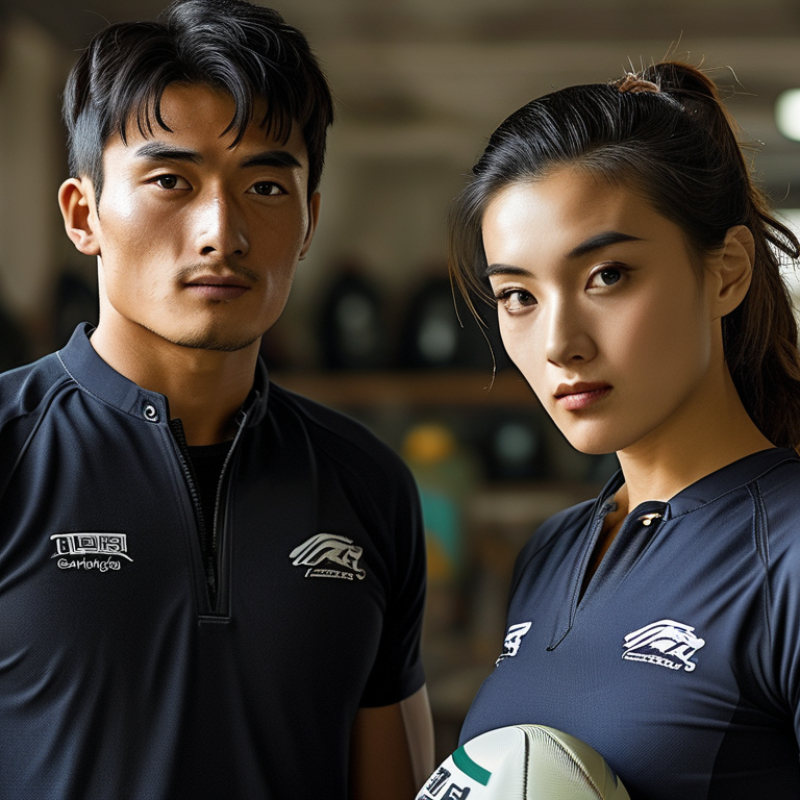
Overview of Rugby Clothing Manufacturing in China
Rugby clothing manufacturing in China has grown significantly. The country offers a blend of skilled labor and advanced technology. Many factories produce a variety of rugby apparel, from jerseys to shorts. They focus on quality and durability, essential for the sport's demands.
China is known for its competitive pricing. This attracts global buyers looking for cost-effective solutions. However, quality control remains a common challenge. Ensuring consistency in fabric and stitching can sometimes fall short. Transparency in manufacturing processes is crucial for building trust.
Sustainability is becoming a focal point for manufacturers. Eco-friendly materials and practices are gaining momentum. Yet, not every factory adheres strictly to these principles, leading to uncertainty for buyers. Buyers need to be diligent in vetting suppliers. Doing so can help mitigate risks associated with quality and ethics.
Top Rugby Clothing Manufacturers in China
Key Players in the Chinese Rugby Clothing Industry
China's rugby clothing industry is on the rise, attracting global buyers seeking high-quality options. Recent market reports indicate that the sports apparel market in China is projected to grow significantly, expected to reach $25 billion by 2025. This rapid growth reflects increasing interest in rugby, along with the desire for specialized athletic gear.
Leading manufacturers focus on fabric innovation and functional design. By utilizing moisture-wicking materials, they enhance athlete performance. Many factories have adopted eco-friendly practices, which appeal to environmentally conscious brands. However, challenges remain. Quality control can vary, impacting buyer trust. Reports suggest that nearly 30% of manufacturers lack consistent compliance with international standards, prompting buyers to conduct thorough audits before partnerships.
The competitive landscape showcases a mix of established players and emerging factories. Some manufacturers have invested in advanced technologies, including automated stitching processes, which improve production efficiency. Others still rely on traditional methods, risking delays. The industry is also becoming increasingly aware of global fashion trends, but many struggle to balance style with functionality. This ongoing evolution presents opportunities and challenges for international buyers.
Quality Standards and Certifications in Rugby Apparel
Quality standards and certifications play a vital role in the rugby apparel industry. For manufacturers in China, meeting international quality benchmarks is crucial. Many factories invest in certifications like ISO 9001 for quality management systems. This shows their commitment to producing reliable, durable products. Buyers look for these certifications to ensure consistent quality in every batch.
Apart from general quality certifications, it’s essential to consider fabric standards. Rugby apparel often needs to withstand intense physical activity. Materials should be breathable, durable, and capable of stretching. Some manufacturers focus on eco-friendly materials, aiming to meet sustainable fashion guidelines. Yet, it's not easy to find the right balance between performance and environmental impact.
Regular audits are key to maintaining high standards. However, not all factories undergo routine checks as required. This inconsistency can lead to quality issues. Buyers should not only rely on certifications but also build strong relationships with suppliers. Open communication fosters a culture of quality. This can encourage manufacturers to prioritize improvements over time.
Market Trends and Innovations in Rugby Clothing
The rugby clothing market is evolving rapidly. Innovations in materials and design are reshaping how players and fans engage with the sport. Fabrics that wick moisture and provide flexibility are now standard. These advancements enhance performance, allowing athletes to focus on the game.
Sustainability is a growing concern among buyers. Manufacturers are exploring eco-friendly materials and production processes. This shift reflects a commitment to reducing environmental impact. It's essential to consider how these practices affect consumer choices. Quality and sustainability can coexist, but it requires careful planning and execution.
Design trends are also shifting. Bright colors and unique patterns are gaining popularity. Players want gear that reflects their style. However, not all designs meet performance standards. Striking a balance between aesthetics and functionality remains a challenge. Buyers must ask questions and demand more from manufacturers.
Challenges Faced by Global Buyers in Sourcing Rugby Gear
Sourcing rugby gear is increasingly challenging for global buyers. Various factors come into play when navigating the Chinese manufacturing landscape. Data from the Textile and Apparel Association indicates that sourcing issues have risen by 30% over the last year. Long lead times and fluctuating prices are often cited by buyers.
Quality control can be particularly problematic. Some manufacturers may not meet international standards. Buyers frequently face inconsistent product quality. A report by the International Rugby Board suggests that 40% of products sourced from China do not pass quality checks. It adds financial strain on buyers who must manage returns and replacements.
Additionally, communication barriers can complicate the sourcing process. Cultural differences may lead to misunderstandings about product requirements. Buyers often find it hard to convey technical specifications. This could result in delays and frustration. In an industry that values precision, these challenges highlight the need for careful supplier selection. Addressing these issues requires a strategic approach and ongoing evaluation of sourcing partners.