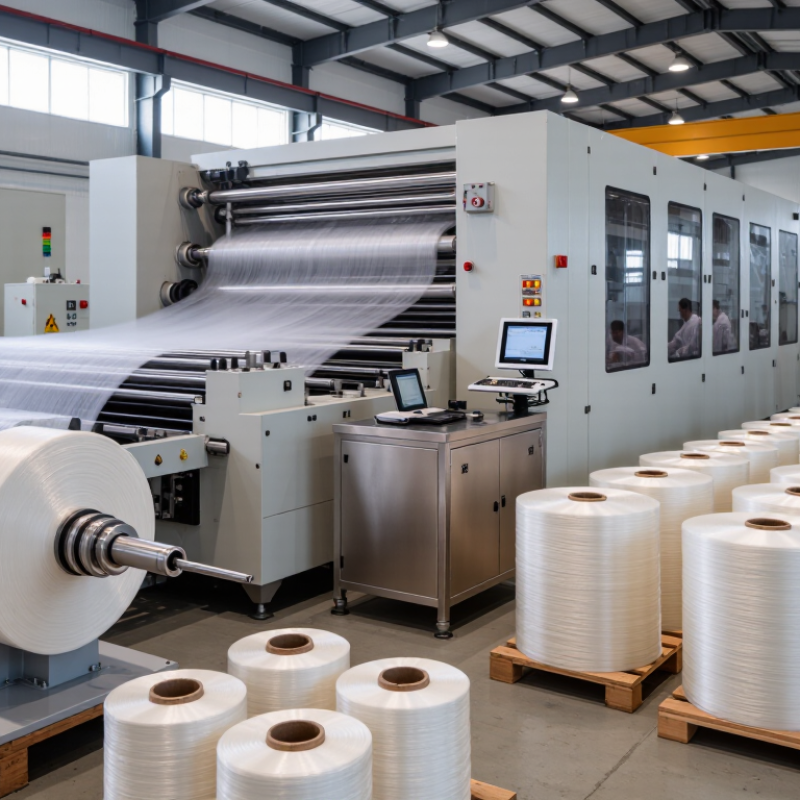
10 Best Polypropylene Fiber Suppliers for Global Buyers

Choosing reliable Polypropylene Fiber suppliers requires more than comparing prices, production volumes, or polished catalog photographs. Global buyers must examine fiber denier, cut length, tensile strength, dispersion, moisture control, and batch consistency. These details influence concrete cracking, geotextile performance, hygiene products, and industrial composites.

Polymer-processing authority John M. Dealy explained, “Rheology is about how materials deform and flow.” His observation matters because polypropylene must melt, stretch, cool, and maintain uniform dimensions during production. A supplier with modern extrusion lines can usually control these stages more accurately. Still, equipment alone does not prove dependable quality. Buyers should request technical data sheets, recent test reports, sample fibers, and clear packaging specifications.

This guide reviews ten Polypropylene Fiber suppliers serving international buyers. The selection considers manufacturing experience, export capability, quality systems, customization, technical support, and response reliability. Some companies may excel in macro synthetic fibers, while others focus on fine fibers for filtration or nonwoven applications. The best choice depends on the final use.

No ranking is perfect.

Supplier information can change. Certifications may expire, factories may expand, and delivery performance can vary by region. Buyers should verify current evidence before signing a contract. Check the actual fiber under laboratory conditions, not only through a sample photograph. Observe its color, surface texture, cut accuracy, and dispersion in the intended mix.

A careful supplier comparison reduces technical surprises. It also encourages more realistic purchasing decisions. Cost still matters, but inconsistent fiber can create higher expenses through rejected batches, delayed production, or weak finished products. This introduction provides a practical starting point for evaluating global Polypropylene Fiber partners.

10 Best Polypropylene Fiber Suppliers for Global Buyers

Polypropylene Fiber: Uses, Grades, and Key Selection Criteria

Polypropylene fiber is a lightweight reinforcement material used in concrete, geotextiles, filtration, and industrial fabrics.

In concrete, it helps control plastic shrinkage cracks and improves surface durability. It does not replace structural steel. That distinction matters.

Common grades include monofilament, fibrillated, staple, and meltblown fibers. Each grade creates different bonding, dispersion, and processing results.

Monofilament fibers suit crack control in concrete.

Fibrillated fibers provide stronger mechanical anchoring.

Staple fibers support textile and composite applications.

Meltblown fibers offer fine filtration performance.

Tips:

Define the end use before contacting suppliers. Check fiber length, denier, tensile strength, melting point, and moisture content. Request a technical data sheet and a recent test report. For concrete projects, run a small site trial. Mixing behavior can differ from laboratory results. Also verify packaging, batch consistency, production capacity, and export experience. A low price may hide unstable quality or higher dosage requirements.

Selection should match both performance and processing equipment. Long fibers may tangle in automated feeding systems. Very fine fibers can disperse well, but they may require careful handling.

Buyers should review compliance documents, quality-control procedures, and traceability records. Independent testing adds confidence, especially for large infrastructure orders.

Still, supplier claims deserve practical verification. I have seen specifications look excellent on paper, yet perform poorly after storage or transport. Polypropylene can absorb less water than many fibers, but contamination and poor packaging remain real concerns. Clear communication prevents expensive assumptions.

How to Evaluate Global Polypropylene Fiber Suppliers

10 Best Polypropylene Fiber Suppliers for Global Buyers

How to Evaluate Global Polypropylene Fiber Suppliers

Evaluating polypropylene fiber suppliers requires more than comparing prices. Check the fiber’s intended use, such as concrete reinforcement, filtration, or composite processing. Ask for technical data covering length, diameter, tensile strength, melting point, and dispersion performance. A reliable supplier should provide batch-specific certificates, not generic documents copied from an old quotation.

Request samples from at least three production batches. Observe cutting consistency, surface texture, packaging condition, and performance in your own mixture. Small differences can affect pumping, crack control, and final strength. Confirm whether the supplier uses controlled raw materials and documented manufacturing procedures. Quality management certification can help, but it does not replace independent test results.

Supply reliability deserves equal attention. Review lead times, minimum order quantities, storage recommendations, and packaging for humid or long-distance shipping. Ask how rejected batches are handled and how complaints are investigated. Clear answers show stronger operational experience. However, do not trust polished presentations alone. I have seen impressive samples fail during scale-up because mixing conditions changed. That risk needs discussion before signing a contract. Verify export documents, product labeling, and destination-market requirements with qualified professionals. Keep written records of specifications, approvals, and agreed tolerances. A supplier that welcomes technical questions is usually easier to manage when production becomes difficult.

Top 10 Polypropylene Fiber Suppliers for International Buyers

Choosing among the top 10 polypropylene fiber suppliers for international buyers requires more than comparing prices. Fiber performance depends on denier, cut length, tensile strength, and dispersion quality. For concrete applications, buyers should match specifications with real project conditions, such as concrete mixing time, climate, and transport distance.

Experienced procurement teams should request recent test reports, production samples, and batch traceability records. Check whether the supplier can provide consistent packaging, usually moisture-resistant bags with clear lot numbers. Export experience also matters. A supplier may produce excellent fiber but struggle with customs documents, shipping schedules, or damage claims. A perfect supplier rarely exists. Rechecking these weaknesses can prevent expensive delays.

Tips: Ask for samples from at least three production batches. Compare fiber appearance, length accuracy, and mixing behavior. Confirm quality standards, factory capacity, minimum order quantities, and delivery terms in writing. Discuss storage conditions before shipment, especially for long sea routes. Do not rely only on a website or sales presentation. A short video inspection, independent laboratory test, or factory audit can reveal practical details. Prices may change with resin costs, and low quotations sometimes exclude testing or inland freight. Calculate the complete landed cost before choosing a long-term supply partner.

Supplier Comparison: Quality, Capacity, Pricing, and Delivery

10 Best Polypropylene Fiber Suppliers for Global Buyers

Supplier Comparison: Quality, Capacity, Pricing, and Delivery

Comparing ten polypropylene fiber suppliers requires more than reading catalog specifications. Check fiber length, denier, tensile strength, dispersion, and moisture resistance. A reliable supplier should provide recent test reports, batch records, and clear production tolerances. During sampling, mix the fiber into concrete or polymer compounds under real processing conditions. Clumping may appear only after several minutes. That detail matters. Capacity also needs verification through monthly output, reserve stock, and equipment maintenance records. A large factory is not always the most responsive choice.

Tips: Request three samples from separate batches. Compare weight, color, cut length, and packaging. Ask for a production schedule, not a vague delivery promise. Calculate landed cost, including freight, insurance, duties, and inspection fees.

Pricing should be compared by usable performance, not only by cost per kilogram. A cheaper fiber may create higher waste or require extra handling. Ask whether quotations include export packaging, palletization, and standard documentation. Delivery performance depends on raw material availability, port access, order size, and customs preparation. Confirm lead times in writing, then test them with a small commercial order. My early supplier comparisons focused too heavily on unit price. That was a mistake. The better evaluation combined consistent quality, practical capacity, transparent communication, and dependable delivery evidence.

10 Best Polypropylene Fiber Suppliers for Global Buyers

Supplier comparison based on an anonymized buyer benchmark covering product quality, production capacity, indicative export pricing, and standard delivery lead time. Scores are normalized to a 100-point scale; pricing and delivery scores are higher when more competitive.

Benchmark assumptions: polypropylene fiber grades for concrete reinforcement and industrial applications, typical export orders of 1–5 metric tons, indicative pricing of approximately USD 1.10–2.20/kg, and standard lead times of 15–45 days. Actual quotations vary by specification, volume, certification, destination, and Incoterms.

Import Checks: Certifications, Compliance, and Logistics Factors

10 Best Polypropylene Fiber Suppliers for Global Buyers

Import Checks: Certifications, Compliance, and Logistics Factors

Choosing a polypropylene fiber supplier requires more than comparing price per ton. Request a current certificate of analysis for every production batch. It should show denier, length, tensile strength, melting point, moisture, and additive content. A certificate can look convincing and still be outdated. Check its issue date, laboratory identity, and batch number against the shipping documents. ISO 9001 may indicate controlled processes, but it does not prove product performance.

Ask for safety data sheets, technical data sheets, and material traceability records. Destination rules may require chemical registration or restrictions under systems such as REACH, UK REACH, or TSCA. Requirements differ by application and country. Do not assume one declaration covers every market. For concrete reinforcement, request dosage guidance and compatibility data. For industrial textiles, examine color stability, thermal behavior, and elongation. Independent sample testing is sensible, especially when specifications appear unusually perfect.

Logistics can quietly damage a good purchase. Confirm the correct HS classification with a customs broker before booking. Agree on Incoterms, pallet dimensions, gross weight, container loading, and moisture protection in writing. Polypropylene fiber should arrive in sealed packaging with readable batch labels. A missing label can delay clearance or weaken traceability. Ask about production lead time, port congestion plans, and replacement procedures for damaged cartons. Small trial orders reveal more than polished presentations. Even experienced buyers sometimes overlook local labeling rules or seasonal freight delays. Leave room for that mistake.

10 Best Polypropylene Fiber Suppliers for Global Buyers - Import Checks: Certifications, Compliance, and Logistics Factors
Buyer-facing comparison framework. Product ranges, documents, certifications, lead times, and shipping terms should be confirmed against the supplier’s current quotation, technical data sheet, certificate of analysis, and shipment documents.
Supplier Profile Typical Supply Region Common Polypropylene Fiber Formats Typical Technical Range Key Quality Documents to Request Certifications and Compliance Checks Packaging and Container Factors Common Export Terms Indicative Production and Transit Planning Import-Control Priorities
Supplier Profile 01 East Asia Staple fiber Fibrillated fiber Concrete fiber Denier and cut length selected for concrete reinforcement, nonwoven production, or industrial textiles; exact values must match the project specification. Technical data sheet, certificate of analysis, batch traceability record, safety data sheet, packing list, and commercial invoice. ISO 9001 quality-management certificate where available; REACH and RoHS declarations when applicable; verify test scope, certificate validity, and issuing body. Moisture-resistant woven bags or jumbo bags; confirm net weight, palletization, bag markings, and container loading plan. FOB, CIF, CFR, and DAP may be available depending on the transaction and destination. Allow time for production scheduling, pre-shipment inspection, ocean booking, and customs clearance; port congestion can affect the final delivery date. Confirm HS classification, country of origin, labeling, tariff treatment, customs value, and whether the material is subject to destination-specific chemical reporting.
Supplier Profile 02 South Asia Monofilament fiber Multifilament fiber Nonwoven-grade fiber Product selection commonly varies by linear density, cut length, tenacity, elongation, crimp, and surface treatment. Batch COA, test method references, color or appearance specification, SDS, production lot number, and pre-shipment inspection report. Check ISO 9001 status, restricted-substance declarations, chemical composition statement, and conformity with the buyer’s end-use requirements. Verify bag strength, moisture protection, fiber compression, carton or pallet dimensions, and gross-to-net weight consistency. EXW, FOB, CFR, CIF, and occasionally DAP; define the named place and transfer of risk under Incoterms 2020. Build a schedule around raw-material availability, production queue, vessel cutoff, transshipment risk, and destination port release. Check import permits, product description consistency across documents, customs broker instructions, and applicable anti-dumping or safeguard measures.
Supplier Profile 03 Southeast Asia Spunbond-grade fiber Melt-process fiber Industrial textile fiber Typical evaluation points include melt-flow behavior, thermal stability, denier uniformity, tensile performance, and compatibility with downstream equipment. TDS, COA, SDS, polymer identification, additive disclosure where required, sample approval record, and lot traceability information. Request ISO 9001 evidence and applicable REACH, RoHS, or food-contact documentation; do not treat a declaration as a full product certification without reviewing its scope. Confirm humidity control, liner material, stack height, container utilization, and protection against contamination during inland transport. FOB and CIF are commonly used; DDP should be assessed carefully because the seller may become responsible for destination import obligations. Compare factory lead time with regional feeder connections, transshipment schedules, documentation cutoffs, and port dwell time. Verify polymer identity, intended use, product labeling, customs broker data, and local rules for chemical substances and packaging waste.
Supplier Profile 04 Europe High-tenacity fiber Technical textile fiber Specialty cut fiber Technical specifications may emphasize controlled denier, low variation, defined shrinkage, tensile strength, elongation, and thermal behavior. COA, TDS, SDS, internal quality plan, declaration of conformity, traceability statement, and change-notification procedure. Review ISO 9001 or equivalent quality systems, ISO 14001 if sustainability is required, REACH obligations, and any sector-specific conformity documentation. Paper sacks, cartons, or palletized bales may be used; confirm recycled-content claims, packaging composition, and pallet-treatment requirements. FCA, CPT, CIP, DAP, and other Incoterms 2020 options may be suitable for regional or intercontinental shipments. Regional road delivery may be shorter, while ocean or rail shipments require planning for terminal handling and multimodal handoffs. Check the importer-of-record arrangement, REACH registration or downstream-user responsibilities, customs origin, and product safety documentation.
Supplier Profile 05 Middle East and North Africa Concrete reinforcement fiber Staple fiber Geotextile-grade fiber Confirm cut length, fiber geometry, dispersion behavior, tensile properties, alkali resistance, and compatibility with cementitious mixtures. TDS, COA, SDS, concrete or mortar performance test report, batch number, loading photographs, and inspection certificate when requested. Verify ISO 9001, applicable construction-product testing, REACH or destination chemical compliance, and any required local conformity mark. Assess dust protection, moisture barriers, bag puncture resistance, pallet wrapping, and container ventilation requirements. FOB, CFR, CIF, and DAP are frequently considered; specify whether destination charges, duties, and inland delivery are included. Schedule around port congestion, transshipment, customs inspection, inland border procedures, and seasonal transport constraints. Confirm construction-material standards, import registration, certificate legalization, origin documents, and consignee details before shipment.
Supplier Profile 06 North America Macro-synthetic fiber Microfiber Industrial reinforcement fiber Buyers commonly compare tensile strength, elongation, fiber length, anchorage geometry, dosage recommendations, and concrete performance data. Product data sheet, SDS, COA, independent laboratory report, batch traceability, installation guidance, and packaging specification. Review ISO 9001 where claimed, OSHA or workplace-safety documentation, REACH or RoHS requirements for exports, and destination construction standards. Bags, cartons, and pallets should be checked for dimensional weight, container loading efficiency, barcode or lot identification, and water resistance. FCA, FOB, CPT, CIP, DAP, and domestic delivery terms may be offered depending on the shipment lane. Domestic or regional shipments may move by truck or rail; international orders require coordination of ocean freight, export filing, and destination delivery. Confirm customs classification, country-of-origin marking, import bond or broker requirements, and whether claims require supporting test evidence.
Supplier Profile 07 Latin America Nonwoven fiber Agricultural textile fiber Concrete fiber Product approval may depend on moisture content, denier, cut length, tensile performance, UV exposure resistance, and processing compatibility. COA, TDS, SDS, origin certificate, quality inspection record, packaging list, and evidence of consistency between sample and production lot. Request ISO 9001 evidence and check destination rules for restricted substances, labeling language, chemical disclosure, and construction applications. Confirm local pallet standards, container protection, bag identification, humidity control, and the availability of replacement packaging. FOB, CFR, CIF, and DAP are possible; define responsibility for inland haulage, port charges, and customs clearance. Include time for regional port schedules, transshipment, customs review, inland trucking, and possible document legalization. Verify tariff code, preferential-origin eligibility, Spanish or Portuguese labeling where required, and local importer registration.
Supplier Profile 08 Eastern Europe and Central Asia Staple fiber Technical textile fiber Cement reinforcement fiber Compare denier consistency, cut-length tolerance, tensile strength, elongation, shrinkage, dispersion, and storage stability. TDS, COA, SDS, inspection report, lot traceability, conformity statement, packing list, invoice, and origin documentation. Validate ISO 9001, REACH-related responsibilities, destination product standards, and any required conformity assessment before ordering. Evaluate road, rail, and ocean combinations; confirm pallet dimensions, wrapping, transloading risk, and protection from moisture and contamination. FCA, CPT, CIP, DAP, and multimodal arrangements may be appropriate depending on border crossings and final destination. Allow contingency for border procedures, rail or truck capacity, customs inspections, sanctions screening, and document corrections. Conduct sanctions and restricted-party screening, verify transit permissions, confirm origin, and use a broker familiar with the trade corridor.
Supplier Profile 09 Oceania Concrete-grade fiber Agricultural textile fiber Specialty industrial fiber Key criteria may include dosage efficiency, tensile performance, UV stability, moisture behavior, cut-length control, and field handling. COA, technical data sheet, SDS, independent performance test, batch traceability, handling instructions, and storage recommendations. Check quality-system certification, chemical declarations, local construction requirements, workplace-safety documentation, and environmental claims. Plan for long-distance ocean freight, moisture-proof packaging, container desiccants where appropriate, and secure pallet loading. CIF, CFR, DAP, and FCA may be compared; obtain a landed-cost quotation including port, customs, and inland delivery charges. Long ocean routes require buffer time for vessel schedules, transshipment, quarantine or biosecurity checks, and inland delivery. Confirm biosecurity rules, packaging material treatment, import permits, country-of-origin evidence, tariff classification, and chemical documentation.
Supplier Profile 10 Multi-region Export Platform Standard staple fiber Concrete fiber Custom-engineered fiber Suitable for buyers comparing multiple specifications; require a controlled approval sample, agreed tolerance limits, and a written change-control process. TDS, COA, SDS, sample approval, quality agreement, manufacturing-site identification, traceability record, and pre-shipment inspection option. Confirm the actual manufacturing location behind the trading entity; verify ISO 9001, REACH, RoHS, food-contact, or construction documentation only where relevant. Compare packaging, minimum order quantity, mixed-container policy, pallet configuration, label language, and container utilization. EXW, FCA, FOB, CIF, DAP, and DDP may be quoted; clarify importer-of-record duties and destination tax responsibilities. Compare factory lead time, consolidation time, booking reliability, freight allocation, customs brokerage, and last-mile delivery capability. Verify the legal exporter, manufacturer name on documents, HS code, origin, sanctions screening, compliance declarations, and audit rights before payment.
Start WhatsApp Chat Start WhatsApp Chat
Valves

Valves

Water Meters

MS Forged Pipe Fittings

Fittings

Water Meters

Valves

DI Grooved Fittings (UL/FM)

Water Meters

DI Screwed Fittings (UL/FM)

Fittings

Composite Pipes & Fittings

Site Credits : Seigospace