Top 10 Pipe Fittings and Valves You Need to Know About?
In the world of plumbing and industrial applications, understanding pipe fittings and valves is crucial. According to a recent report by the International Pipe Fittings Association, the market for these components is projected to reach $80 billion by 2026. This dramatic growth highlights their importance in various sectors, from construction to energy.
Expert David Johnson, a leading authority on pipe fittings valves, emphasizes their role in system efficiency. He states, "Quality fittings and valves can save companies time and money in the long run." Despite this knowledge, many still overlook the intricacies of selecting the right components.
Fitting and valve dynamics are often complex. The wrong choice can lead to failures and costly repairs. It's essential to delve deep into the specifications of each product. This exploration will reveal what makes a fitting or valve stand out. Understanding these details transforms the approach to installations and maintenance, ensuring systems work efficiently and effectively.
Understanding the Basics of Pipe Fittings and Valves
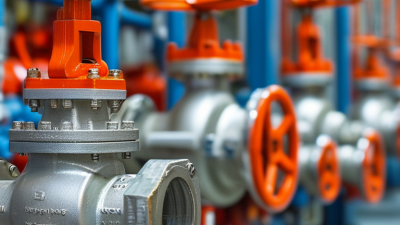
Understanding pipe fittings and valves is essential for anyone involved in plumbing or construction. These components play a critical role in ensuring fluid flow within various systems. Pipe fittings connect different sections of piping, while valves control the flow and pressure of liquids or gases. They come in various shapes and sizes, each designed for specific functions.
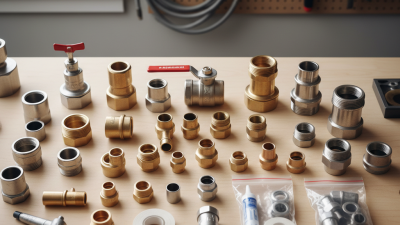
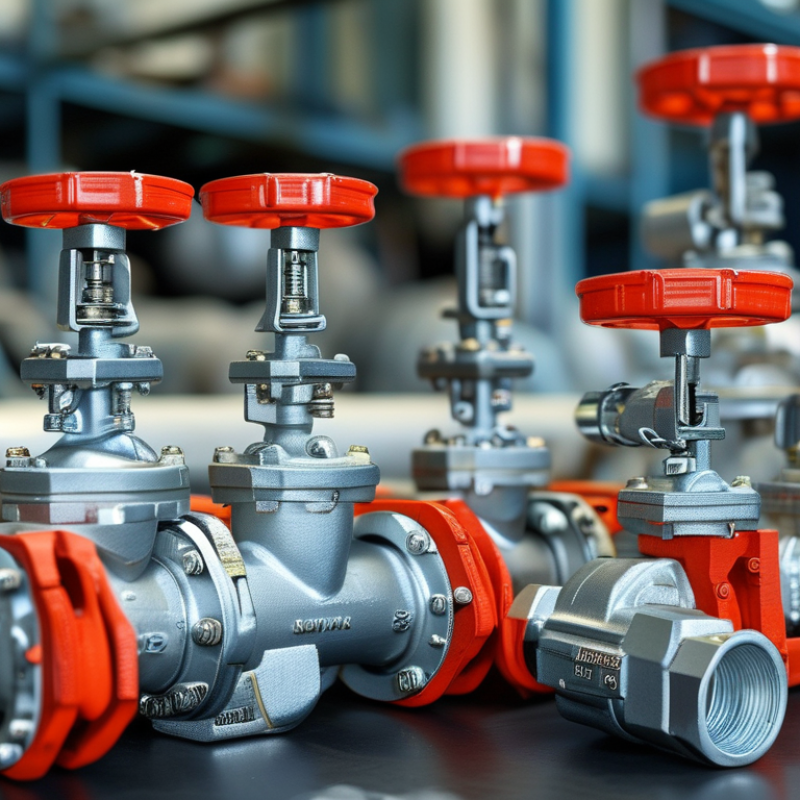
Different types of fittings, such as elbows, tees, and couplings, allow for changes in direction or the connection of multiple pipes. Each fitting must be chosen carefully based on material compatibility and application requirements. Valves, including gate, ball, and check types, provide control over the flow. Selecting the right valve can significantly impact system efficiency and safety.
Many individuals overlook the importance of choosing the right fittings and valves. A poor choice can lead to leaks or system failures. Understanding these basics enhances the reliability of any plumbing or industrial system. Gaining knowledge in this area involves learning from mistakes and seeking professional guidance when necessary. A well-informed decision can save time, money, and resources in the long run.
Types of Common Pipe Fittings: An Overview
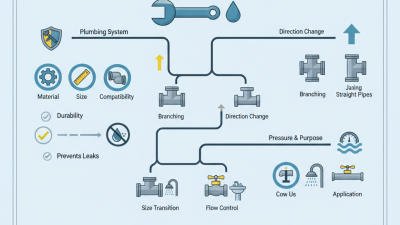
When working with plumbing systems, understanding pipe fittings is crucial. A pipe fitting is a connector that joins two or more pipes. Common types include elbows, tees, reducers, and couplings. Each fitting serves a distinct purpose. For example, elbows allow pipes to change direction, which is essential in tight spaces.
Tees are versatile, providing branch connections in the piping system. They are useful in systems requiring multiple directions of fluid flow. Reducers, on the other hand, transition between pipe sizes, which can optimize flow and pressure. Couplings connect straight lengths of pipe, ensuring a seamless flow of liquids or gases. Exploring these options reflects a fundamental knowledge of plumbing.
While many people have a basic understanding of fittings, it's vital to keep learning. Misusing or improperly installing these components can lead to leaks or system failures. Consider local building codes and industry standards when selecting fittings. Each choice impacts system performance and longevity. Emphasizing durability and reliability in your fittings can greatly enhance the efficiency of your plumbing systems.
Essential Valves: Functions and Applications
Valves play a crucial role in various industrial applications, controlling the flow of liquids and gases. Understanding their functions is essential for efficiency and safety. The global valve market is projected to reach around $100 billion by 2025, driven by industries such as oil and gas, water management, and power generation. Each type of valve, from ball to gate valves, serves distinct purposes. For instance, ball valves are ideal for quick shut-off, while gate valves are preferred for on/off control in high-volume applications.
Different industries require specific valve features. For instance, in oil and gas pipelines, corrosion-resistant materials are imperative. The choice of valve materials and designs must align with operational conditions, including pressure and temperature. A report from the American Society of Mechanical Engineers highlights that improper valve selection can lead to 15% increased operational costs due to failures or inefficiencies.
It’s essential to regularly inspect and maintain valves to prevent failures. Neglecting routine checks can lead to leaks or malfunctions. Operators should consider investing in predictive maintenance technologies. Leveraging data analytics can enhance decision-making, ensuring that valves operate efficiently. Remember, keeping valves in optimal condition can save money and reduce environmental impacts.
Key Factors for Choosing the Right Fittings and Valves
When selecting pipe fittings and valves, several key factors come into play. The material of the fittings is crucial. Common materials include PVC, stainless steel, and brass. Each material has its own benefits and limitations. For instance, PVC is lightweight and resistant to corrosion while stainless steel offers superior durability but comes at a higher cost.
Pressure ratings are another significant consideration. They indicate how much pressure each fitting can withstand. Industry reports suggest that fitting failures often occur due to exceeding these limits. Selecting fittings with appropriate pressure ratings for the intended application can prevent costly damages. An estimated 75% of pipe failures stem from inadequate pressure management.
Lastly, compatibility is essential. Fittings and valves must match the pipe size and type. A poor fit leads to leaks or system inefficiency. According to industry surveys, 60% of maintenance issues arise from improper fittings. Investing time in choosing compatible fittings and valves can save money in the long run, showcasing the importance of careful selection in piping systems.
Maintenance and Installation Tips for Pipe Fittings and Valves
Maintaining and installing pipe fittings and valves requires attention to detail. Start by ensuring you have the right tools and materials. Use wrenches to avoid damaging fittings. Proper torque is essential for a secure fit. Refer to installation guides, but also rely on your experience. Trust your instincts when something feels off.
When it comes to maintenance, regular inspections are crucial. Look for signs of wear or leaks. Even small leaks can lead to bigger issues. Be proactive about replacing damaged fittings. Ignoring them may result in costly repairs later. Testing for water pressure can help identify potential problems.
Don’t overlook the importance of workspace organization. A cluttered area can lead to mistakes. With every project, you will learn something new, even from missteps. Embrace the process. Reflect on what worked and what didn’t. Each installation is an opportunity for improvement.
Top 10 Pipe Fittings and Valves You Need to Know About
| Type |
Material |
Connection Type |
Applications |
Maintenance Tips |
| Elbow |
PVC |
Solvent Weld |
Water Supply |
Regular inspection for cracks and leaks |
| Tee |
Copper |
Soldered |
Heating Systems |
Ensure fittings are securely soldered |
| Reducer |
Stainless Steel |
Welded |
Fluid Transfer |
Check for corrosion damage |
| Valve |
Brass |
Threaded |
Shut-off Applications |
Lubricate moving parts regularly |
| Cap |
PVC |
Solvent Weld |
End of Pipes |
Inspect sealing for effectiveness |
| Union |
Galvanized Steel |
Threaded |
Piping Assemblies |
Ensure threads are properly sealed |
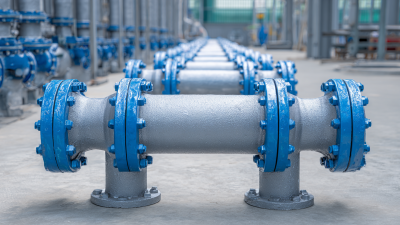
| Flange |
Ductile Iron |
Bolted |
Industrial Piping |
Tighten bolts to specifications |
| Cross |
PVC |
Solvent Weld |
Multi-directional Flow |
Check connection points for leaks |
| Plug |
Metal |
Threaded |
Pipe End Closure |
Ensure thread sealing tape is applied |