Top Grooved Pipe Fittings Types for Efficient Plumbing Solutions?
In the world of plumbing, efficiency is key. Grooved pipe fittings have gained significant attention for their ability to streamline installations and enhance performance. According to plumbing expert John Smith, "Grooved pipe fittings are revolutionizing how we think about pipe connections." This statement underscores the innovation within this niche.
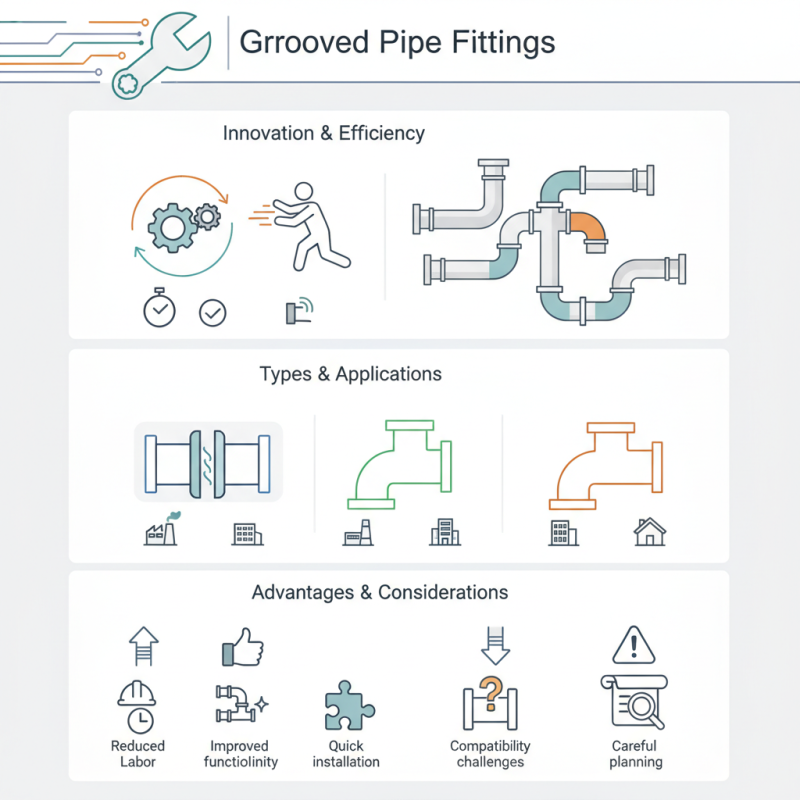
Grooved pipe fittings come in various types, designed for different applications. Their quick installation process and flexibility make them an attractive choice for contractors. However, there are challenges to consider. Some may find that not all fittings are compatible with existing systems. This highlights the importance of careful planning in design.
Understanding the various types of grooved pipe fittings is crucial. Each fitting provides unique advantages, from reducing labor to improving system functionality. As the industry evolves, keeping up with these changes is vital. A thorough exploration of grooved pipe fittings can offer insights into efficient plumbing solutions.
Top Grooved Pipe Fittings: An Overview of Types and Applications
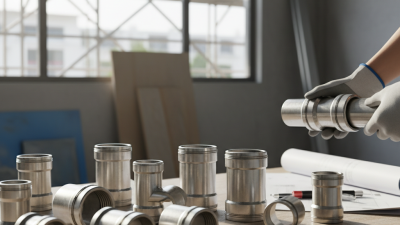
Grooved pipe fittings are essential in modern plumbing. They offer significant advantages in various applications. These fittings connect piping systems quickly, reducing installation time. Often used in fire protection, HVAC, and industrial settings, they ensure efficient fluid flow.
There are several types of grooved fittings. The most common are couplings, tees, and elbows. Couplings facilitate the connection of two pipes. They allow for easy disassembly and maintenance. Tees create branching connections without compromising flow. Elbows change the direction of pipes, which is crucial in tight spaces. Proper selection of these fittings can greatly impact system efficiency.
However, users must consider a few factors. Not all grooved fittings are suitable for every application. The material and size must match the piping system. In some situations, misalignment can cause leaks. Regular inspection and maintenance are necessary to overcome these issues. Understanding these details can lead to better plumbing solutions.
Understanding the Benefits of Grooved Pipe Fittings in Plumbing Systems
Grooved pipe fittings have gained popularity in recent years. Their efficient design allows for quick installation and easy maintenance. These fittings employ a unique groove system, which means they can be assembled without welding or threading. This feature significantly reduces labor costs and construction time.
One of the primary benefits of grooved fittings is flexibility. They are ideal for various plumbing applications, whether commercial or industrial. They accommodate different pipe materials and sizes, allowing for greater versatility. However, some may argue that not all systems benefit from this method. In certain situations, traditional fittings may provide more strength, especially under specific loads.
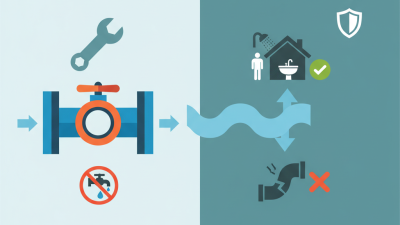
Another consideration is the sealing mechanisms used. While grooved fittings often come with rubber gaskets that ensure a reliable seal, improper installation can lead to leaks. It is crucial to ensure that the grooves and fittings are aligned correctly. Despite the advantages, users must remain mindful of potential pitfalls during installation. Grooved pipe fittings can offer an innovative solution when used correctly.
Top Grooved Pipe Fittings Types for Efficient Plumbing Solutions
| Fitting Type |
Material |
Size Range (inches) |
Main Benefits |
| Grooved Couplings |
Carbon Steel |
1 - 12 |
Quick installation, flexible connections |
| Grooved Elbows |
Ductile Iron |
2 - 16 |
Durability, resistance to corrosion |
| Grooved Tees |
Stainless Steel |
1 - 8 |
Versatility, easy to install |
| Grooved Caps |
Cast Iron |
1 - 10 |
Simple termination of pipes, easy maintenance |
| Grooved Reducers |
Aluminum |
1 - 6 |
Space-saving, increases efficiency |
Key Materials Used in Manufacturing Grooved Pipe Fittings for Durability
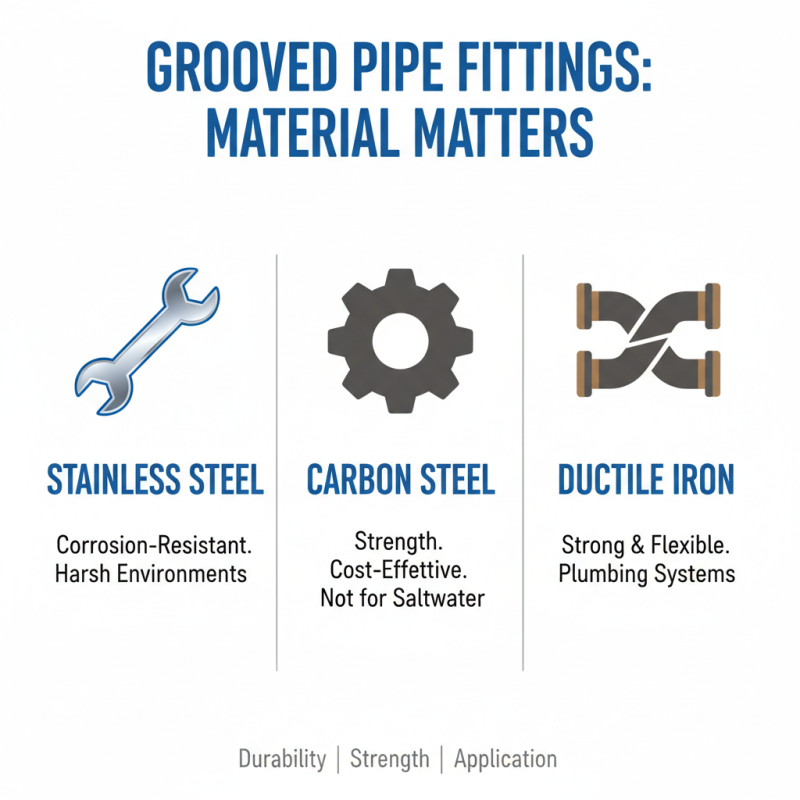
When it comes to grooved pipe fittings, material choice is critical for durability. Common materials include stainless steel, carbon steel, and ductile iron. Stainless steel is corrosion-resistant and ideal for harsh environments. Carbon steel offers strength at a lower cost, but it may not perform well in saline conditions. Ductile iron combines strength and ductility, making it a preferred choice for many plumbing systems.
Choosing the right material can directly impact system longevity. A durable fitting can reduce maintenance costs and downtime. However, one must consider the specific environment. What works in one scenario might not suit another. For example, choosing carbon steel in a moisture-heavy environment could lead to premature failure.
Tip: Always evaluate environmental conditions before selecting materials. Understand the potential risks, and think critically about your choices. Avoid assumptions based on common practices. Doing thorough research can prevent future complications. It's easy to overlook these details, but they are crucial for optimal performance.
Industry Statistics: Performance and Efficiency of Grooved Pipe Fittings
Grooved pipe fittings have become a popular choice in plumbing systems due to their efficiency and reliability. Recent industry statistics reveal that grooved fittings can reduce installation time by up to 50%. This is largely attributed to their simple assembly process, which minimizes the need for extra tools. In high-demand construction environments, this speed can make a significant difference in project timelines.
Moreover, the performance of grooved fittings is impressive. A report indicates that systems using these fittings often experience lower leakage rates. In fact, the leakage rate can be less than 0.5% when properly installed. This comparison highlights their effectiveness over traditional welded joints. However, some contractors still hesitate, noting the potential for higher initial costs. These concerns warrant a closer examination of long-term savings in maintenance and energy efficiency.
While grooved fittings do offer benefits, they are not without limitations. Some installations may require additional support systems. This can increase overall costs if not accounted for early in the planning process. Additionally, the materials used in these fittings can impact performance. It's crucial to select the right type based on specific project requirements, which can sometimes complicate decision-making. Finding the balance between cost and reliability remains a challenge for many in the industry.
Installation Techniques for Grooved Pipe Fittings to Enhance Plumbing Solutions
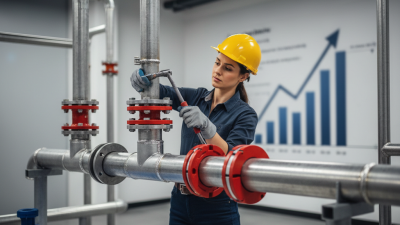
When it comes to grooved pipe fittings, proper installation is key for optimal plumbing solutions. These fittings are designed with grooves that allow for quicker assembly and disassembly. This feature can save time and labor costs significantly. Industry reports suggest that grooved fittings can reduce installation time by up to 30%. In high-paced projects, this efficiency can make a crucial difference.
Installation techniques vary but start with ensuring the pipes are clean and properly aligned. Any debris can compromise the seal. A tight fit is essential for preventing leaks. Studies indicate that improper installation can lead to up to 20% increased maintenance costs over time. Proper torque specifications should be followed to ensure durability.
Even experienced plumbers occasionally overlook these details. The temptation to rush can result in errors that are costly long-term. It's crucial to take the time to verify alignment and torque settings for each connection. This diligence ensures the plumbing system operates efficiently and effectively. Maintaining a disciplined approach can truly enhance the overall performance of plumbing systems using grooved pipe fittings.