Top 10 Fluorine Pumps for Global Buyers in 2026?
As global demand for efficient and reliable fluid handling systems grows, the importance of Fluorine Pumps cannot be understated. According to a recent report by Global Market Insights, the Fluorine Pump market is projected to reach $1.2 billion by 2026, fueled by advancements in chemical processing. Industry expert Dr. Emily Chen emphasizes, "The future of Fluorine Pumps lies in their ability to enhance safety and productivity in various sectors."
Fluorine Pumps are meticulously designed to handle aggressive fluids while maintaining operational integrity. The emerging technologies in materials and design focus on durability. However, the industry faces challenges such as higher production costs. This is a critical point for manufacturers looking to balance quality with affordability.
Market leaders must adapt to these challenges to ensure sustainability. The competition is fierce, and innovative solutions are key. Understanding these dynamics shapes the future of Fluorine Pumps in diverse applications, from pharmaceuticals to chemical manufacturing, making it crucial to identify the top models available in the market for effective global procurement.
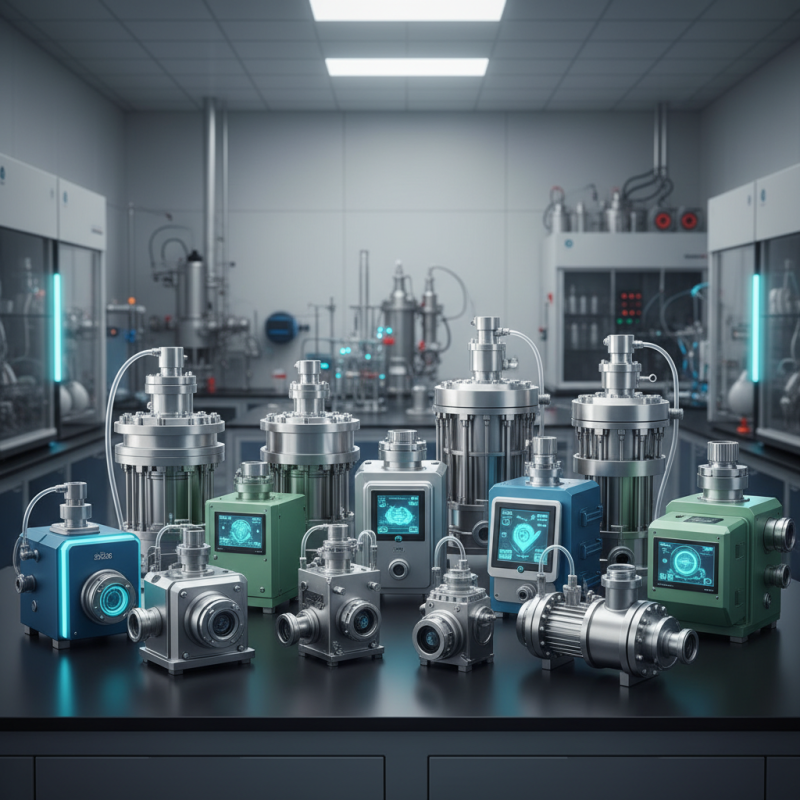
Overview of Fluorine Pumps and Their Applications
Fluorine pumps are vital in various industrial applications due to their exceptional resistance to corrosion. These pumps handle aggressive chemicals, particularly in the chemical, pharmaceutical, and semiconductor industries. According to a recent market report, the global fluorine pump market is projected to reach $2 billion by 2026, reflecting a significant growth trajectory. The demand for efficient and durable pumps continues to rise.
These pumps excel in transferring fluorinated gases and acids. Their design ensures minimal leakage, protecting both the environment and personnel. Industries are increasingly adopting specialized fluorine pumps for improved process efficiency. However, challenges remain. For instance, finding a balance between cost and performance can be difficult. Many companies struggle to meet safety regulations while managing operating expenses.
Future innovations in fluorine pump technology are on the horizon. Enhanced materials and designs can lead to even better chemical resistance. This focus on advancement indicates the industry's commitment to reliability and safety. Buyers must remain informed about trends, ensuring they choose suitable solutions for their specific applications. As the market matures, the emphasis will likely shift toward sustainable pumping solutions, addressing both performance and environmental concerns.
Top 10 Fluorine Pumps for Global Buyers in 2026
Key Factors to Consider When Choosing Fluorine Pumps
When selecting fluorine pumps, buyers should focus on specific factors. Performance and compatibility are key. A pump must handle corrosive materials effectively. Consider the materials used in construction. This affects durability and longevity.
Another important aspect is efficiency. Look for pumps that minimize energy consumption while delivering optimal performance. Some pumps may excel in power but require frequent maintenance. This can lead to unexpected downtime.
Don’t overlook customer service and support. A reliable manufacturer should provide technical assistance. This can be crucial when troubleshooting problems. Balancing cost and quality is essential. Cheaper options might lead to higher long-term expenses due to repairs or replacements.
Top Brands and Manufacturers of Fluorine Pumps in 2026
In 2026, the demand for fluorine pumps will see significant growth. These pumps are essential in various industries, from chemical processing to environmental applications. Understanding the top manufacturers is crucial for global buyers. Many leading companies focus on innovation and reliability, often improving their designs to handle corrosive materials.
While several brands have established reputations, not all meet every buyer's needs. Variations in pump materials can lead to performance differences. Some brands may struggle with quality control, impacting their reliability. Buyers should consider the specific requirements of their applications before choosing a pump.
The landscape of fluorine pumps continues to evolve. Companies are increasingly adopting advanced technologies to enhance durability and efficiency. However, market competition can lead to variability in product quality. This can leave consumers questioning their choices. Conducting thorough research and analysis is vital for making informed decisions.
Top 10 Fluorine Pumps for Global Buyers in 2026
| Rank | Manufacturer | Pump Type | Flow Rate (L/min) | Max Pressure (bar) | Materials Used |
| 1 | Manufacturer A | Diaphragm Pump | 50 | 10 | PTFE, PVDF |
| 2 | Manufacturer B | Gear Pump | 30 | 8 | PTFE, Stainless Steel |
| 3 | Manufacturer C | Centrifugal Pump | 70 | 12 | PP, PVDF |
| 4 | Manufacturer D | Peristaltic Pump | 20 | 6 | Silicone, PTFE |
| 5 | Manufacturer E | Screw Pump | 100 | 15 | Titanium, PTFE |
| 6 | Manufacturer F | Progressive Cavity Pump | 65 | 10 | EPDM, PTFE |
| 7 | Manufacturer G | Rotary Vane Pump | 40 | 7 | Polypropylene, PTFE |
| 8 | Manufacturer H | Piston Pump | 25 | 5 | PTFE, Aluminum |
| 9 | Manufacturer I | Submersible Pump | 80 | 14 | Fiberglass, PTFE |
| 10 | Manufacturer J | Bladder Pump | 15 | 4 | Nitrile, PTFE |
Comparative Analysis of the Best Fluorine Pumps on the Market
Fluorine pumps play a vital role in various industrial applications, especially where corrosive substances are involved. The market is evolving rapidly, and understanding the nuances between different models is crucial for global buyers in 2026. Buyers should consider the pump material, flow rate, and durability when selecting a suitable option. Many pumps are designed specifically for chemical handling, which adds to their durability and efficiency.
When comparing the top fluorine pumps, focus on their performance metrics. Some models excel in high-pressure scenarios, while others thrive in low-maintenance environments. Efficiency is key. A pump that minimizes energy consumption can significantly reduce operating costs. Yet, it’s essential to evaluate how maintenance might impact long-term reliability. Users often report that even top-rated pumps can encounter issues that require innovative troubleshooting.
The design of the pump is also paramount. Ergonomic features can enhance user experience but may increase overall cost. It’s a balancing act between functionality and budget. Moreover, potential buyers should analyze customer feedback. Reviews often reveal unexpected challenges that users face. Performing thorough research can help prevent future issues. Understanding these dynamics ensures informed decisions, ultimately leading to better investment outcomes.
Future Trends and Innovations in Fluorine Pump Technology
Fluorine pump technology is evolving rapidly. The demand for chemical pumps capable of handling aggressive fluids is on the rise. Innovations focus on efficiency, safety, and durability. Advanced materials enhance pump lifespan and performance. This is vital for industries such as pharmaceuticals and chemicals.
Future trends emphasize automation and smart technologies. Sensors and IoT integration streamline maintenance and improve operational efficiency. Predictive analytics can foresee failures, minimizing downtime. Yet, challenges persist; ensuring reliability in diverse environments remains complex.
Moreover, sustainability is becoming a priority. Manufacturers explore eco-friendly materials and energy-efficient designs. Adapting to regulatory requirements is essential. The industry faces ongoing scrutiny regarding environmental impact. As these trends unfold, a balance between innovation and responsibility will be crucial.