Choosing the right fittings and valves is a practical challenge for global buyers. Product failure can delay construction, interrupt production, and create expensive maintenance problems. A reliable purchasing decision begins with understanding application details, not merely comparing prices.
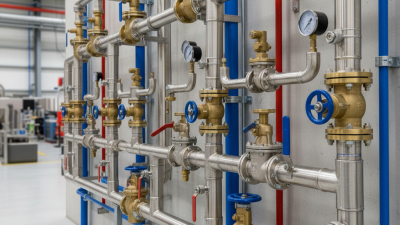
This guide examines common fitting and valve types used in water treatment, oil and gas, chemical processing, HVAC, and industrial manufacturing. It considers stainless steel, carbon steel, brass, PVC, and other materials. Each material reacts differently to pressure, temperature, corrosion, and fluid composition. Threaded fittings may suit smaller systems, while welded or flanged connections often support demanding industrial pipelines. Ball, gate, globe, butterfly, and check valves also perform different control functions.
Small details matter.
Buyers should review pressure ratings, connection standards, dimensions, sealing methods, and certification documents. A valve that appears suitable may still fail when exposed to abrasive media or repeated temperature changes. Supplier experience matters, but documentation matters too. Technical drawings, test reports, traceability records, and clear warranty terms can reveal the difference between a dependable component and a costly replacement.
International sourcing adds another layer of uncertainty. Standards, labeling practices, delivery conditions, and inspection expectations may vary between markets. No single product fits every project. That assumption deserves questioning. Experienced buyers confirm operating conditions with engineers and request samples when specifications remain unclear. The best selection balances safety, service life, installation requirements, and total ownership cost. This overview offers a practical foundation for making more informed purchasing decisions across global supply chains.
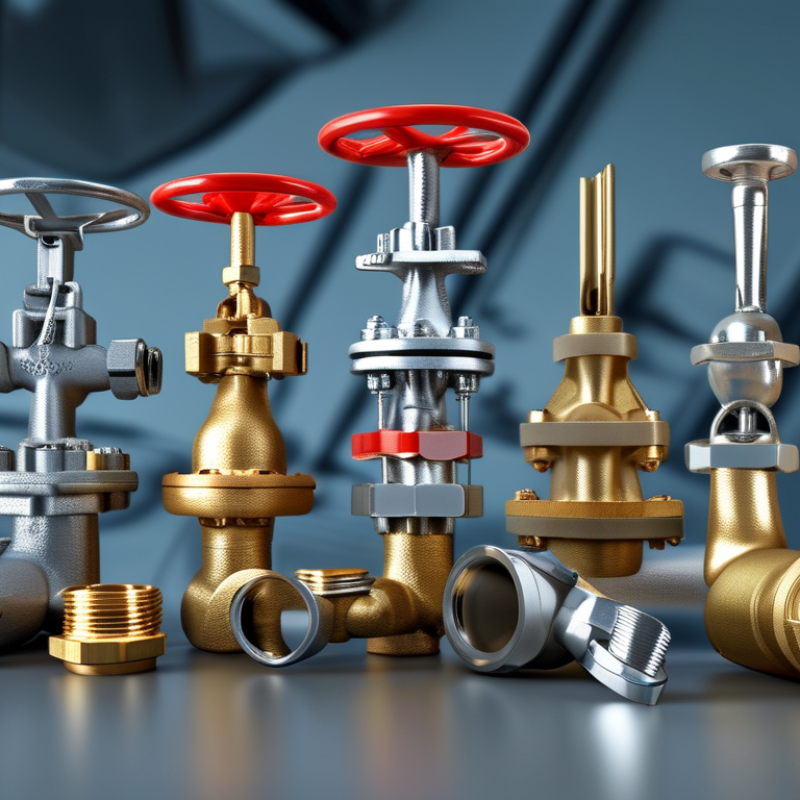
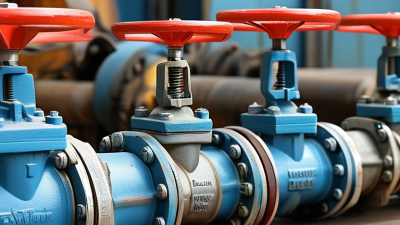
Fittings and valves are often grouped together, but they perform different jobs. Fittings connect, redirect, reduce, or terminate piping runs. Common types include elbows, tees, reducers, couplings, and flanges. Valves control flow, pressure, or isolation through moving parts. Ball, gate, globe, butterfly, and check valves serve different operating conditions. The distinction sounds simple. It is not always simple in procurement.
Global standards provide a common technical language. ASME B16.9 covers many factory-made butt-welding fittings, while ASME B16.5 addresses flanges and flanged connections. ISO 5208 defines pressure testing for metallic valves. API 598 is also widely referenced for valve inspection and testing. These standards help buyers compare dimensions, pressure ratings, materials, and leakage limits. However, compliance with one standard does not guarantee suitability for every fluid, temperature, or installation.
Market data shows why specification discipline matters. MarketsandMarkets estimates the industrial valves market will grow from about USD 78 billion in 2023 through the decade. Grand View Research also identifies infrastructure, energy, and water projects as major demand drivers for pipe fittings. Buyers should verify pressure class, wall thickness, end connection, corrosion resistance, and material certificates. A small mismatch can delay installation. It can also create expensive field modifications. In practice, supplier documents deserve the same attention as the component itself. Some checklists still miss temperature cycling and maintenance access. That deserves reflection.
| Equipment Group | Common Type | Primary Function | Flow or Piping Role | Typical Connection | Common Materials | Relevant International or Regional Standards | Key Buyer Considerations |
|---|---|---|---|---|---|---|---|
| Fittings | Elbow | Changes the direction of a pipeline, commonly by 45° or 90°. | Redirects flow while maintaining a continuous pressure boundary. | Butt-weld, socket-weld, threaded, or flanged. | Carbon steel, stainless steel, alloy steel, ductile iron, copper alloys, and engineering plastics. | ASME B16.9 for wrought butt-weld fittings; ASME B16.11 for forged socket-weld and threaded fittings; EN 10253 for butt-welding fittings. | Confirm bend angle, long- or short-radius design, wall thickness, outside diameter, schedule, material grade, and corrosion allowance. |
| Fittings | Tee | Creates a branch connection from a main pipeline. | Splits flow into two directions or combines flow from two branches. | Equal or reducing butt-weld, socket-weld, threaded, or flanged. | Carbon steel, stainless steel, alloy steel, ductile iron, and plastics. | ASME B16.9, ASME B16.11, EN 10253, and applicable piping design codes. | Specify equal or reducing configuration, branch size, run size, pressure rating, wall thickness, and branch reinforcement requirements. |
| Fittings | Reducer | Connects pipes with different nominal sizes. | Provides a controlled transition between larger and smaller pipe sections. | Concentric or eccentric butt-weld, socket-weld, threaded, or flanged. | Carbon steel, stainless steel, alloy steel, ductile iron, and plastics. | ASME B16.9 for butt-weld reducers; ASME B16.11 for forged reducers; EN 10253 for butt-welding reducers. | Use eccentric reducers where liquid drainage, pump suction, or air-pocket control is important; verify orientation and wall thickness. |
| Fittings | Cross | Connects four pipeline sections at a common intersection. | Distributes or collects flow through multiple branches. | Butt-weld, socket-weld, threaded, or flanged. | Carbon steel, stainless steel, alloy steel, and plastics. | ASME B16.9 and ASME B16.11, subject to material and connection type. | Check branch loads, turbulence, pressure drop, dimensional compatibility, and whether a tee arrangement is more suitable for the piping system. |
| Fittings | Coupling and Union | Joins two pipe sections, usually in a straight line. | Provides a compact connection for extension, repair, or maintenance. | Threaded, socket-weld, grooved, compression, or mechanical joint. | Malleable iron, carbon steel, stainless steel, copper alloys, ductile iron, and plastics. | ASME B16.11 for forged threaded or socket-weld fittings; product-specific dimensional and material standards may also apply. | Verify full-port or reduced-port design, disassembly requirements, thread form, sealing method, pressure class, and service temperature. |
| Fittings | Flange | Creates a detachable connection between pipes, valves, equipment, and other fittings. | Provides access for installation, inspection, maintenance, and equipment replacement. | Weld neck, slip-on, socket-weld, threaded, lap-joint, or blind flange. | Carbon steel, stainless steel, alloy steel, ductile iron, and nickel alloys. | ASME B16.5 for flanges up to the covered nominal size range; ASME B16.47 for larger flanges; EN 1092-1 for commonly used European flange dimensions. | Match nominal size, pressure class or PN rating, facing, bolt pattern, gasket type, bore, material, and applicable temperature derating. |
| Fittings | Cap and Plug | Closes the end of a pipeline or unused branch. | Provides a permanent or removable termination of the pressure boundary. | Butt-weld, socket-weld, threaded, flanged, or mechanical. | Carbon steel, stainless steel, alloy steel, ductile iron, copper alloys, and plastics. | ASME B16.9 for butt-weld caps; ASME B16.11 for forged caps and plugs; EN 10253 for butt-welding caps. | Confirm whether the closure is temporary or permanent, and verify pressure containment, wall thickness, corrosion resistance, and removal method. |
| Valves | Gate Valve | Starts or stops flow using a linear-moving gate. | Designed mainly for isolation and generally not for continuous throttling. | Flanged, butt-weld, socket-weld, threaded, or wafer-style connections depending on design. | Carbon steel, stainless steel, alloy steel, ductile iron, cast iron, and corrosion-resistant alloys. | API 600 for certain bolted-bonnet steel gate valves; API 602 for compact forged gate valves; ASME B16.34 for pressure-temperature and design requirements; ISO 5208 for pressure testing. | Evaluate full-port requirement, wedge or parallel gate design, stem arrangement, seat material, leakage rate, actuation, installation orientation, and maintenance access. |
| Valves | Globe Valve | Controls or isolates flow using a movable plug and seat. | Suitable for throttling because the flow path allows controlled adjustment. | Flanged, threaded, socket-weld, or butt-weld. | Carbon steel, stainless steel, alloy steel, bronze, and nickel alloys. | ASME B16.34 for valve design and pressure-temperature requirements; ISO 5208 for pressure testing; applicable product standards depend on service. | Consider pressure drop, flow direction, trim design, cavitation risk, seat leakage class, actuator force, and operating frequency. |
| Valves | Ball Valve | Provides rapid shutoff through a rotating ball with a bore. | Offers low resistance when fully open and reliable isolation when properly selected. | Threaded, flanged, socket-weld, butt-weld, or compression connections. | Stainless steel, carbon steel, brass, bronze, plastics, and corrosion-resistant alloys. | API 6D for certain pipeline ball valves; ISO 17292 for metallic ball valves; ASME B16.34 and ISO 5208 are also commonly referenced. | Specify full or reduced bore, floating or trunnion-mounted ball, soft or metal seats, fire-safe requirements, antistatic features, cavity relief, and actuator compatibility. |
| Valves | Butterfly Valve | Controls or isolates flow using a rotating disc. | Provides compact, lightweight flow control for many low- and medium-pressure services. | Wafer, lug, double-flanged, or butt-weld. | Ductile iron, carbon steel, stainless steel, aluminum bronze, plastics, and elastomer-lined bodies. | API 609 for certain butterfly valves; EN 593 for metallic industrial butterfly valves; ISO 5211 for actuator mounting interfaces. | Check disc and shaft materials, liner compatibility, pressure rating, bidirectional or unidirectional sealing, torque, operating temperature, and face-to-face dimensions. |
| Valves | Check Valve | Allows flow in one direction and prevents reverse flow. | Protects pumps, compressors, pipelines, and process equipment from backflow. | Wafer, flanged, threaded, socket-weld, or butt-weld. | Carbon steel, stainless steel, alloy steel, ductile iron, bronze, and plastics. | API 6D for certain pipeline check valves; API 594 for wafer, lug, and double-flanged check valves; ISO 5208 for testing. | Assess cracking pressure, closing speed, pressure drop, water-hammer risk, installation position, flow direction, and disc or piston design. |
| Valves | Plug Valve | Isolates or regulates flow with a rotating cylindrical or tapered plug. | Provides quarter-turn operation and can be suitable for dirty or abrasive services when correctly designed. | Flanged, threaded, socket-weld, or butt-weld. | Carbon steel, ductile iron, stainless steel, alloy steel, and lined materials. | API 6D for certain pipeline plug valves; API 599 for metallic plug valves; ASME B16.34 for applicable pressure design requirements. | Review lubricated or non-lubricated construction, port shape, sealing system, actuation torque, abrasion resistance, and emissions control. |
| Valves | Diaphragm Valve | Controls flow with a flexible diaphragm that isolates the operating mechanism from the medium. | Useful for corrosive, abrasive, viscous, or hygienic fluids, depending on lining and diaphragm material. | Flanged, threaded, socket-weld, sanitary clamp, or other specialized connections. | Cast iron, ductile iron, plastic-lined metal, engineered plastics, rubber, PTFE, and elastomers. | EN 13397 for industrial diaphragm valves; applicable hygiene, chemical-resistance, and pressure-testing requirements may also apply. | Match diaphragm material to chemical compatibility, temperature, vacuum conditions, cycling frequency, pressure rating, and cleanability requirements. |
| Valves | Safety or Relief Valve | Automatically releases excess pressure when a preset value is reached. | Protects pressure vessels, boilers, piping, and process systems from overpressure. | Threaded, flanged, or specialized pressure-relief connections. | Carbon steel, stainless steel, alloy steel, bronze, and corrosion-resistant alloys. | API 520 for sizing and selection of pressure-relieving devices; API 526 for standardized flanged steel pressure-relief valve dimensions; ISO 4126 for safety devices. | Specify set pressure, certified capacity, relieving medium, back pressure, temperature, blowdown, discharge arrangement, and local regulatory requirements. |
| Valves | Control Valve | Modulates flow, pressure, temperature, or liquid level through an automatic control signal. | Provides continuous process regulation rather than simple on-off isolation. | Flanged, threaded, socket-weld, or butt-weld. | Carbon steel, stainless steel, alloy steel, lined materials, and specialized trim alloys. | IEC 60534 series for industrial-process control valves; ASME B16.34 for applicable pressure-temperature and design requirements. | Define flow coefficient, rangeability, pressure drop, cavitation or flashing risk, noise, actuator type, fail position, trim characteristic, and positioner requirements. |
| Valves | Needle Valve | Provides precise adjustment through a slender, tapered plunger. | Suitable for fine flow control, instrumentation, sampling, and small-bore systems. | Threaded, compression, socket-weld, or flanged. | Stainless steel, brass, bronze, carbon steel, and nickel alloys. | ASME B16.34 may apply to pressure-containing valve design; connection and instrumentation standards depend on the selected configuration. | Check fine-control range, pressure rating, temperature, fluid cleanliness, seat material, end connection, and resistance to erosion. |
| Buyer note: A fitting changes, joins, branches, reduces, or terminates a piping route, while a valve controls, isolates, regulates, or prevents flow. Always verify the latest edition of the applicable standard, project specifications, local regulations, material certification, pressure-temperature rating, testing requirements, and end-connection dimensions before purchase. | |||||||