Top 10 Axial Piston Pumps You Need for Your Industry?
The Axial Piston Pump plays a critical role in various industrial applications, particularly in hydraulic systems. According to a report by MarketsandMarkets, the hydraulic pumps market is expected to reach USD 13.2 billion by 2026, driven by increased demand for automation and efficient machinery. These pumps are renowned for their high efficiency and compact design, making them ideal for construction, manufacturing, and agriculture industries.
Historically, the performance and durability of axial piston pumps have been a concern. Many users report failures due to overheating and wear, highlighting the importance of selecting the right model for specific applications. A detailed analysis from Research and Markets noted that improper maintenance can lead to significant operational downturns and increased costs.
Investing in quality axial piston pumps means prioritizing expertise and knowledge. The right choice can enhance system reliability. However, a significant portion of users tends to overlook regular maintenance practices. Understanding the best options on the market can transform operational efficiency. As industries evolve, so do the specifications and standards for these essential components.
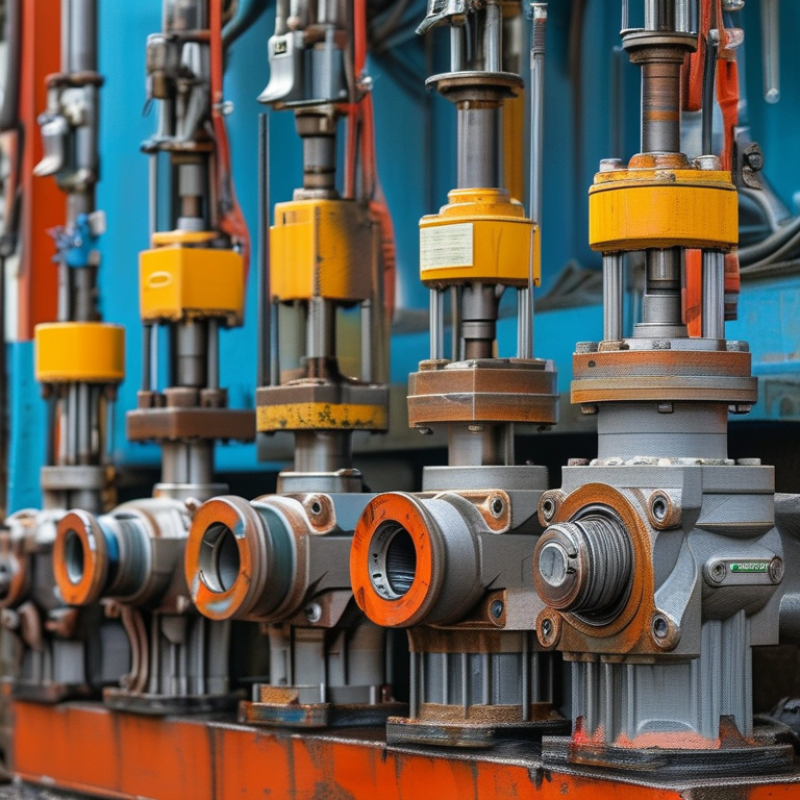
Overview of Axial Piston Pumps and Their Functionality
Axial piston pumps are a vital component in many industrial applications. They convert mechanical energy into hydraulic energy with high efficiency. These pumps are known for their ability to maintain consistent flow and pressure. This functionality is essential in various sectors like manufacturing, construction, and agriculture. Their structured design allows them to deliver power in compact spaces.
In operation, axial piston pumps use pistons arranged parallel to the drive shaft. As the shaft rotates, the pistons are pushed in and out, creating a hydraulic flow. This mechanism ensures a smooth and steady operation, crucial for equipment that requires precise control. Despite their effectiveness, users often encounter maintenance challenges. Regular inspections are critical. Neglect can lead to performance issues, increasing operational costs.
The reliability of these pumps hinges on proper installation and routine care. While they are generally robust, understanding their limitations is important. Their sensitivity to fluid contamination means that cleanliness is crucial. Users should conduct frequent checks to ensure optimal functioning. A proactive approach reduces unexpected downtimes. It’s essential to learn from both successes and setbacks to maximize the benefits of axial piston pumps in any operation.
Key Features to Consider When Selecting Axial Piston Pumps
When choosing axial piston pumps for your industry, several key features stand out. The displacement size is crucial. A larger displacement means more fluid can be pumped, but it also requires more power. Understanding your operation's needs will guide you here. Efficiency is another consideration. It affects operational costs and the overall performance of your equipment. An efficient pump ensures that energy is not wasted, making your system more sustainable.
Durability plays a vital role. Pumps are exposed to various pressures and conditions, so selecting one that withstands wear and tear is important. Look for materials that resist corrosion and fatigue. Noise levels can also impact your environment, especially in enclosed spaces. Choose pumps designed for quieter operation if noise is a concern.
Lastly, consider the ease of maintenance. Some axial piston pumps require more frequent servicing than others. Evaluate the costs associated with upkeep and repairs. A pump that is hard to maintain could lead to unexpected downtime. Balancing these features can lead to better operational reliability and efficiency in your industrial application.
Top 10 Axial Piston Pumps for Industrial Applications
Axial piston pumps play a crucial role in various industrial applications. These pumps are known for their efficiency and reliability in transferring hydraulic fluids. They effectively handle high pressures and are widely used in hydraulic systems across different sectors. Industries ranging from manufacturing to agriculture benefit from their robust design.
Selecting the right axial piston pump can be challenging. It's important to consider factors such as flow rate, pressure, and size. Each application may require specific features that enhance performance. For example, certain industries may prioritize energy efficiency, while others focus on compact designs for limited spaces. Understanding the unique demands of your operation is essential.
However, not all pumps deliver consistent performance. Some may exhibit wear over time, affecting their efficiency. Regular maintenance and monitoring can mitigate these issues. Analyzing pump performance data is crucial for identifying potential failures. This proactive approach can help ensure smooth operations and minimize downtimes. Balancing efficiency with reliability is the key to successful applications.
Top 10 Axial Piston Pumps for Industrial Applications
| Model | Displacement (cm³/rev) | Max Pressure (bar) | Flow Rate (L/min) | Efficiency (%) |
| Model A | 28 | 350 | 150 | 90 |
| Model B | 30 | 400 | 180 | 92 |
| Model C | 25 | 300 | 130 | 88 |
| Model D | 35 | 450 | 200 | 95 |
| Model E | 20 | 250 | 110 | 85 |
| Model F | 40 | 500 | 220 | 97 |
| Model G | 32 | 380 | 160 | 89 |
| Model H | 22 | 200 | 100 | 82 |
| Model I | 26 | 320 | 140 | 86 |
| Model J | 38 | 450 | 210 | 94 |
Comparison of Performance and Efficiency Among Leading Brands
In the world of industrial applications, axial piston pumps play a crucial role. These pumps convert hydraulic energy into mechanical energy efficiently. Recent studies indicate that performance and efficiency metrics are critical considerations for industries relying on these pumps. For instance, research shows that the efficiency of leading axial piston pumps can vary by as much as 20%, impacting operational costs significantly.
Understanding different brands' performance is essential. One report highlights that higher pressure ratings often correlate with better performance, yet they can come with increased wear and tear. Another analysis indicates that reliability varies based on the materials used, with some pumps performing better under extreme conditions. These factors need consideration when selecting a pump for specific applications.
It’s not just about choosing the most powerful pump. Economic viability must also align with performance goals. Some pumps claim high efficiency, yet their longevity under continuous operation raises questions. A balance must be struck between immediate performance and long-term reliability. Investing in the right technology is crucial, given these complexities. Each industrial need demands careful evaluation to ensure the best outcome for both performance and cost-efficiency.
Top 10 Axial Piston Pumps Performance Comparison
Maintenance Tips for Maximizing the Lifespan of Axial Piston Pumps
Axial piston pumps are vital for various industries. Proper maintenance is crucial to ensure their longevity. According to a study by the Hydraulic Institute, the average lifespan of these pumps ranges from 5,000 to 20,000 hours of use, depending on operating conditions and maintenance practices. Regular checks can significantly extend their functionality.
One effective practice is monitoring fluid conditions. Fluids should be clean and free from contaminants. Even microscopic particles can cause wear and tear. Inadequate filtration results in reduced efficiency and shorter lifespan. Analytical data indicates that 70% of pump failures stem from hydraulic fluid contamination. Implementing a proactive routine for fluid analysis can help mitigate these risks.
Another important aspect is alignment. Misalignment can induce unnecessary stress on pump components. This stress often leads to premature failure. It is recommended to routinely check for proper alignment during installation and maintenance. Furthermore, vibration analysis can reveal underlying issues early. Regularly scheduled maintenance checks allow for timely interventions. This method not only saves costs but also keeps operations running smoothly.