Top 10 Valves Fittings Every Global Buyer Should Consider?
In the global marketplace, choosing the right valves fittings can significantly impact efficiency and safety. These components play a crucial role in fluid control systems across various industries. Understanding their types and functions is essential for making informed purchasing decisions.
As buyers navigate their options, they often encounter a vast array of valves fittings. Each type has unique characteristics tailored to specific applications. This complexity can lead to confusion, emphasizing the need for expert guidance and analysis. Without proper knowledge, buyers may choose inadequately fitting products that could disrupt operations.
Moreover, aligning with reputable suppliers is vital. Established manufacturers offer reliability and quality assurance. Their experience in the field builds trust in their products, making them a preferred choice. As we explore the top ten valves fittings, consider factors like material, design, and compliance standards. This selection process requires thoughtful reflection and a focus on long-term value.
Top 10 Valves Fittings Every Global Buyer Should Consider
When sourcing valves and fittings, global buyers face a myriad of choices. The complexity of these products often complicates decision-making. Various types serve distinct purposes. Some are ideal for high-pressure systems, while others excel in reducing flow turbulence. Understanding these specifications is crucial. A valve that works seamlessly in one application may fail in another.
Material selection can heavily influence durability. Options range from stainless steel to plastic. Each has unique benefits and drawbacks. For example, while stainless steel offers excellent corrosion resistance, plastic fittings may be lighter and easier to install. Many buyers overlook the need for compatibility between materials. Mixing incompatible types can lead to failures and safety hazards.
Buyers frequently focus solely on price and overlook quality. A cheap valve often leads to costly repairs. Regular maintenance can prolong the life of fittings, but this requires understanding their operational limits. It’s essential to consider the operating environment. High temperatures or abrasive materials can wear out components faster than expected. Balancing cost and quality is more art than science.
Top 10 Valves Fittings Every Global Buyer Should Consider
| Valve Type |
Material |
Pressure Rating |
Temperature Range |
Applications |
| Ball Valve |
Stainless Steel |
150-300 PSI |
-20 to 200 °C |
Water, Gas, Oil |
| Gate Valve |
Cast Iron |
150-600 PSI |
-10 to 120 °C |
Oil, Water Treatment |
| Globe Valve |
Brass |
150-300 PSI |
-20 to 100 °C |
Hydraulic Systems |
| Check Valve |
PVC |
50-150 PSI |
0 to 60 °C |
Drainage Systems |
| Butterfly Valve |
Aluminum |
150-250 PSI |
-30 to 120 °C |
HVAC Systems |
| Pressure Relief Valve |
Steel |
300-1500 PSI |
-10 to 200 °C |
Safety Systems |
| Solenoid Valve |
Nylon |
30-300 PSI |
-5 to 90 °C |
Automation Systems |
| Plug Valve |
Steel |
150-400 PSI |
-20 to 150 °C |
Pipelines |
| Vent Valve |
Aluminum |
0-150 PSI |
-10 to 100 °C |
Storage Tanks |
| Strainer Valve |
Stainless Steel |
50-300 PSI |
-20 to 150 °C |
Filtration Systems |
Understanding Valve Types: A Comprehensive Overview of Industry Standards
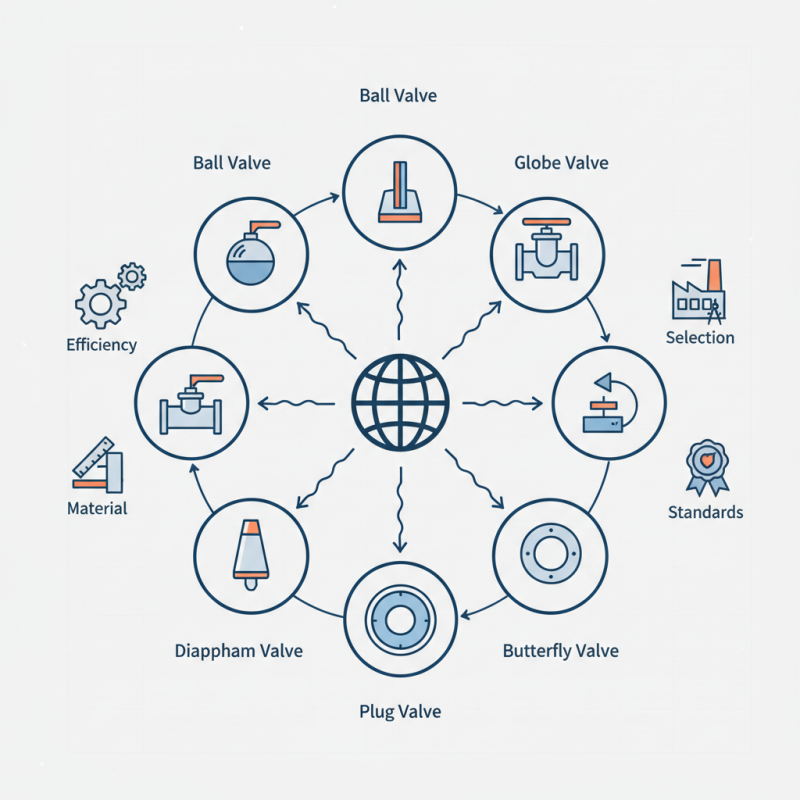
Valves are essential components in various industries. Understanding different valve types is crucial for buyers. Each valve serves a unique purpose.
Gate valves control flow with a gate mechanism. They are ideal for on/off control.
Ball valves provide quick shut-off. They are preferred for their versatility.
Globe valves are often used for throttling flow. Their design allows for variable flow control.
Industry standards guide the selection of valves. Ensure compliance with specifications when sourcing products. Check materials for durability. The right material can prevent leaks and prolong valve life. The choice of connection type matters too. Flanged, threaded, and welded connections each have distinct advantages and drawbacks.
Some buyers overlook the importance of valve sizing. Incorrect sizing can lead to operational inefficiencies.
Conducting a flow analysis can yield better results. Sizing should consider pressure, temperature, and the medium's characteristics.
Sometimes, even reliable suppliers make mistakes. Careful evaluation is crucial for optimal performance.
Essential Material Considerations for Durable Valve Fittings in Varied Environments
When selecting valve fittings, material choices are critical. Environments can vary greatly. From high temperatures to corrosive chemicals, the right material enhances durability. According to a report by the American Society for Testing and Materials (ASTM), over 45% of valve failures occur due to corrosion. This highlights the importance of using corrosion-resistant materials.
Stainless steel and brass are popular options. They offer good resistance to rust and wear. However, in some situations, even these materials fall short. For instance, high-stress applications may lead to metal fatigue. A study from the International Journal of Pressure Vessels and Piping emphasizes the risk of mechanical failure in these settings. Selecting the right fitting can prevent costly failures.
Plastic and composite materials are also worth considering. They can withstand chemicals that metals cannot. However, their temperature thresholds may be limiting. Choosing the wrong material can lead to leaks and safety hazards. The ASTM report also reveals that improper material choices can double maintenance costs in industrial settings. Users need to weigh the pros and cons carefully to ensure longevity.
Global Market Trends: Growth Forecasts for the Valve and Fittings Industry
The valve and fittings industry is experiencing dynamic growth. Analysts predict steady increases in demand driven by urbanization and industrial expansion. Emerging markets, especially in Asia and Africa, are contributing significantly to this growth. Buyers must stay informed about evolving technologies. Sustainability is pivotal in modern manufacturing.
Tips: Focus on suppliers with eco-friendly practices. This aligns with global trends and consumer preferences.
Not all valves and fittings are created equal. Buyers should consider quality over quantity. Inconsistent sourcing can lead to operational disruptions. Investing in reliable materials saves money in the long run.
Monitoring market trends can be challenging. Buyers should utilize industry reports and forecasts. This data can guide decisions about inventory and investment. Evaluate long-term goals, and remember that flexibility is key. The market evolves, and so should your strategies.
Global Valve and Fittings Market Growth Forecasts
Key Specifications and Performance Metrics for Selecting Quality Valves
When selecting valves for global applications, key specifications and performance metrics are crucial. According to a 2022 report by the Global Valves Market, durability and material selection significantly impact performance across various sectors.
Valves made from stainless steel, for instance, offer corrosion resistance, vital for chemical applications. The material choice directly influences life expectancy, often exceeding a decade with proper maintenance.
Another important factor is the pressure and temperature ratings. Many systems operate under extreme conditions. Failure to select a valve that meets these specifications can lead to leaks or catastrophic failures. The 2021 Valve Performance Study highlights that improper selection can increase operational costs by up to 30%. Performance metrics such as flow coefficient (Cv) should align with system requirements to ensure efficiency and safety.
Installation type matters as well. Actuated valves, for example, facilitate automation. They are critical in modern processes. However, organizations sometimes overlook compatibility issues. This oversight can lead to costly adjustments later. By focusing on these specifications, buyers can make informed decisions that enhance system reliability and performance. The nuances in each application require careful thought and expert understanding.
Conclusion
The article "Top 10 Valves Fittings Every Global Buyer Should Consider" presents a comprehensive guide for professionals in the industry, focusing on various valve types and their applications. It emphasizes the importance of understanding industry standards and the essential material considerations that contribute to the durability of valves fittings across diverse environments.
Additionally, the piece delves into current global market trends, providing growth forecasts that highlight the evolving demands within the valves fittings sector. It also covers key specifications and performance metrics crucial for selecting quality valves. Furthermore, the impact of HVAC systems and industrial automation on the demand for these fittings is explored, illuminating how technological advancements are shaping the future of the valves fittings market.