
China Top 10 Bellows Sealed Gate Valve Suppliers?

China’s valve industry has become an important sourcing base for process, energy, semiconductor, and vacuum applications. This guide examines China’s top 10 Bellows Sealed Gate Valve suppliers through practical purchasing criteria. These criteria include manufacturing experience, material control, sealing performance, certifications, delivery capability, and after-sales support.

Industry research supports this market focus. Grand View Research’s Industrial Valves Market report identifies chemical processing, oil and gas, power generation, and water infrastructure as major valve demand sectors. MarketsandMarkets also links advanced semiconductor production with stricter contamination and leakage-control requirements. In these environments, a small stem leak can expose operators, damage sensitive equipment, or interrupt a clean process. Bellows construction provides an additional barrier around the valve stem. However, performance depends on welding quality, bellows fatigue resistance, pressure design, and assembly control.

Standards matter. ISO 15848-1 evaluates fugitive emissions from industrial valves, while API 624 addresses type testing for rising-stem valves with elastomer seals. These standards do not automatically prove every supplier’s quality. Buyers should request test records, material certificates, helium or pressure-leakage results, and traceable inspection documents. No supplier is perfect. Public company data can also be incomplete or inconsistent. That limitation deserves attention. A reliable comparison should therefore combine factory audits, technical drawings, sample testing, customer references, and verified production evidence. The following supplier overview aims to support a careful shortlist, not replace professional engineering review.
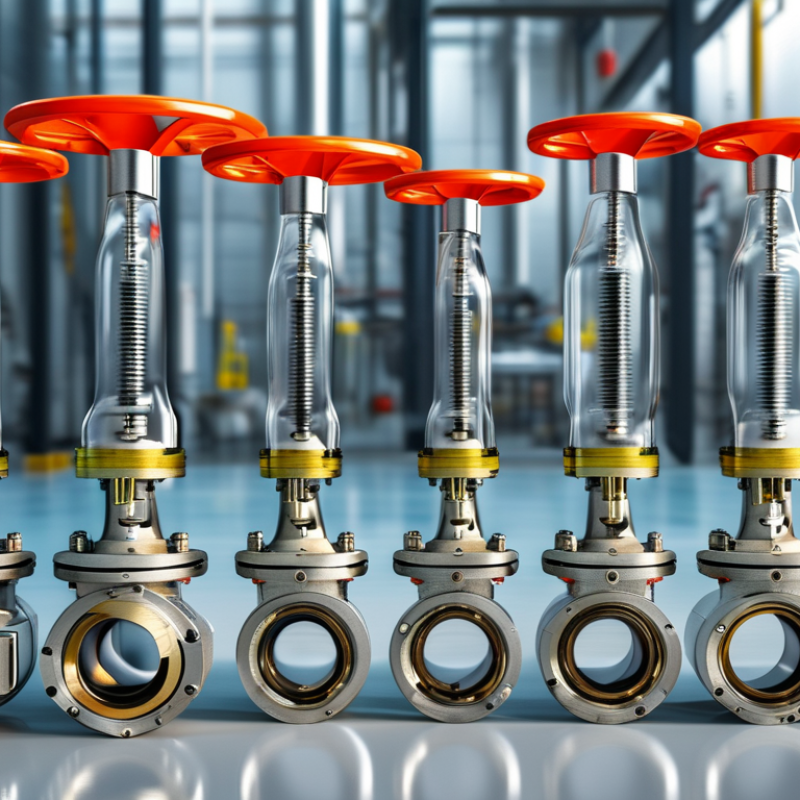
China Top 10 Bellows Sealed Gate Valve Suppliers?

Bellows Sealed Gate Valves: Design, Function, and Industrial Applications

Bellows Sealed Gate Valves: Design, Function, and Industrial Applications

A bellows sealed gate valve uses a welded metal bellows to isolate the stem from the process fluid. This design removes the usual stem packing leak path. The valve opens or closes through a rising stem and gate. Flow resistance remains low when the gate is fully open. Welded bellows also protect operators from toxic, corrosive, or high-purity media. Material selection matters greatly. Stainless steel may suit many services, while special alloys handle stronger chemical exposure. Pressure, temperature, cycling frequency, and vacuum conditions must be checked together.

These valves support chemical processing, pharmaceutical production, semiconductor facilities, vacuum systems, and energy plants. In field inspections, technicians often examine bellows movement, flange condition, seat wear, and actuator alignment. A clean installation helps preserve sealing performance. Misalignment can create unnecessary stress during repeated operation. One assumption often fails: a sealed bellows does not make poor maintenance harmless. I have seen valves selected correctly but damaged by excessive tightening or unsuitable cleaning methods. Service records should include cycle counts and leak-test results.

Tips: Confirm the media, pressure, temperature, and required cleanliness before choosing a valve. Request documented material certificates and factory test data from qualified suppliers. Use gradual operation during commissioning. Do not force a stiff handwheel. Inspect for unusual vibration, delayed closure, or surface corrosion. These small signs deserve attention, even when the valve still appears functional.

China Top 10 Bellows Sealed Gate Valve Suppliers? - Bellows Sealed Gate Valves: Design, Function, and Industrial Applications

No. Industrial Service Profile Typical Valve Design Nominal Size Range Typical Pressure Class Typical Temperature Range Common Body Materials Primary Application
1 High-Purity Chemical Service Rising-stem gate with welded metal bellows and secondary packing DN15–DN300 / NPS ½–12 Class 150–600 −29°C to 200°C Stainless steel or alloy steel Toxic, corrosive, or environmentally sensitive chemical lines
2 Steam and Thermal Utility Service Forged or cast body with flexible graphite packing backup DN15–DN600 / NPS ½–24 Class 150–900 −29°C to 425°C Carbon steel, alloy steel, or stainless steel Boiler feed, steam distribution, and heat-transfer systems
3 Vacuum and Low-Emission Service Fully welded bellows with enclosed bonnet and low-leakage stem design DN15–DN250 / NPS ½–10 Class 150–300 −196°C to 200°C Austenitic stainless steel Vacuum equipment, laboratory systems, and emission-controlled plants
4 Cryogenic Fluid Service Extended bonnet with cryogenic stem arrangement and bellows seal DN15–DN400 / NPS ½–16 Class 150–600 −196°C to 80°C 304L or 316L stainless steel Liquid nitrogen, oxygen, argon, and liquefied natural gas systems
5 Hydrogen and Flammable Gas Service Low-emission welded bellows with fire-safe secondary sealing DN15–DN300 / NPS ½–12 Class 150–600 −29°C to 200°C Carbon steel, stainless steel, or nickel alloy Hydrogen processing, gas distribution, and fuel systems
6 Nuclear Auxiliary Service Qualified bellows assembly with traceable materials and tested bonnet seal DN15–DN400 / NPS ½–16 Class 150–1500 −29°C to 350°C Stainless steel or low-alloy steel Controlled radioactive, high-purity, and safety-related auxiliary lines
7 Refinery and Hydrocarbon Service Cast or forged gate valve with bellows stem seal and fire-safe packing DN25–DN600 / NPS 1–24 Class 150–1500 −29°C to 425°C Carbon steel, chrome-moly steel, or stainless steel Hydrocarbon processing, hot oil, and volatile organic compound control
8 Pharmaceutical and Clean Utility Service Polished stainless-steel body with hygienic bonnet and welded bellows DN15–DN150 / NPS ½–6 Class 150 or PN10–PN16 −20°C to 150°C 316L stainless steel Clean steam, purified water, sterile gas, and process isolation
9 Corrosive and Halogen Service Alloy wetted parts with corrosion-resistant bellows and protected stem DN15–DN250 / NPS ½–10 Class 150–600 −29°C to 200°C 316L stainless steel, duplex steel, or nickel alloy Chlorine-related, acid, alkali, and aggressive chemical processes
10 High-Pressure Research and Process Service Bolted bonnet or pressure-seal bonnet with multi-ply metal bellows DN15–DN200 / NPS ½–8 Class 600–2500 −29°C to 550°C Forged alloy steel, stainless steel, or nickel alloy High-pressure test loops, specialty chemical plants, and process isolation
Technical note: Actual size, pressure, temperature, material, and leakage performance depend on the selected design, applicable piping standard, fluid properties, and manufacturer qualification. Bellows-sealed gate valves are generally used for isolation service rather than throttling.

Evaluation Criteria for China’s Top Bellows Sealed Gate Valve Suppliers

When evaluating China’s top bellows sealed gate valve suppliers, start with proven manufacturing experience. A supplier should explain its production history, valve applications, and quality control process clearly. Ask for drawings, material certificates, and documented inspection procedures. Vague answers deserve caution.

Technical capability matters more than catalog size. Examine bellows material, stem design, weld quality, and sealing performance. Stainless steel options, such as 316L, may suit corrosive service, but material selection depends on the medium and temperature. Request pressure test records and helium leak test results. Cycle testing is important because repeated movement can fatigue the bellows. Small details matter.

Look for traceability from raw material to final inspection. Reliable suppliers can identify heat numbers, machining records, and operator checks. Independent audits or recognized quality certifications can strengthen confidence, but certificates alone prove little. Review customer references from similar industries and operating conditions. Delivery records should show realistic lead times, not optimistic promises. Technical support should respond with calculations, drawings, and practical recommendations. Warranty terms must define responsibilities clearly.

I would also inspect communication quality. A technically strong factory can still fail through poor documentation. That is an uncomfortable point. Sample approval, packing checks, and spare-part availability deserve attention. Pricing should be compared with service life, not only purchase cost. A cheaper valve may create costly shutdowns later. No evaluation is perfect, so record assumptions and revisit them after factory audits or sample testing.

Top 10 Chinese Bellows Sealed Gate Valve Suppliers

China’s top ten bellows sealed gate valve suppliers serve power, chemical, pharmaceutical, and vacuum applications. Their main differences involve material control, welding quality, testing capacity, and delivery discipline. A reliable supplier should provide documented design calculations, pressure-test records, and traceable certificates for every pressure-bearing part.

The strongest manufacturers usually offer stainless steel, alloy steel, and low-temperature valve options. Some operate dedicated clean assembly areas. Others focus on large-diameter valves for thermal power or petrochemical pipelines. During supplier audits, inspect bellows welding under magnification, not only the final paint. Ask how many forming cycles the bellows can withstand. Request sample inspection reports. Small details matter.

The top ten list should be treated as a sourcing reference, not a permanent ranking. Factory ownership, export experience, and technical staffing can change. One supplier may quote quickly but provide weak engineering support. Another may need more time yet deliver clearer drawings and better failure analysis. That difference is important. Confirm API, ASME, ISO, or equivalent compliance when required by the project. Check actual certificates with the issuing body. Also review spare-part lead times, packaging methods, warranty limits, and after-sales response. Some catalog data may look impressive but lack field evidence. A trial order and witnessed pressure test can reveal more than a polished brochure.

Supplier Comparison: Materials, Standards, Certifications, and Lead Times

Comparing the top 10 bellows sealed gate valve suppliers requires more than checking price. Material selection should match pressure, temperature, and media. Forged stainless steel suits corrosive services, while carbon steel can reduce cost in dry utility systems. Hastelloy or nickel alloys may be necessary for aggressive chemicals. Small details matter, including bellows weld quality and stem surface finish.

Standards provide a more reliable comparison. API 600 and ASME B16.34 define key requirements for gate valve design, pressure ratings, and testing. ISO 15848-1 evaluates fugitive emissions through measured leakage classes and endurance cycles. API 624 can add useful evidence for rising-stem valve emissions performance. For sour service, ISO 15156 compliance should be verified, not assumed. The PED 2014/68/EU framework may apply to equipment entering European pressure systems.

Certifications deserve careful checking. ISO 9001 supports production control, but it does not prove valve performance. Request material certificates, pressure-test records, helium leak results, and welding qualifications. Typical quoted lead times range from four to twelve weeks, while special alloys may extend delivery beyond sixteen weeks. Industry procurement reports repeatedly identify logistics and certification delays as major project risks. These figures vary by region and order size. They are useful, but imperfect. A supplier’s stated lead time should be tested against recent shipping records, not accepted as fact.

How to Select the Right Chinese Bellows Sealed Gate Valve Supplier

Selecting the right Chinese bellows sealed gate valve supplier requires more than comparing prices. Begin with the valve’s service conditions: medium, pressure, temperature, size, cycle frequency, and required leakage level. A supplier should ask these questions before sending a quotation. If not, be cautious.

Inspect technical capability through drawings, material certificates, welding procedures, and pressure test records. Bellows quality matters because hidden fatigue may appear after repeated cycling. Ask whether the supplier performs helium leak testing, shell testing, seat testing, and dimensional inspection. Request sample reports, not only attractive claims. Visit the factory when possible. Observe machining areas, clean assembly rooms, calibration labels, and traceability from raw material to finished valve.

Reliable suppliers explain applicable standards and confirm which tests are witnessed by independent inspectors. They should also provide clear manuals, spare-part lists, warranty terms, and realistic production schedules. Speak with recent customers using similar valves and operating conditions. Their feedback often reveals response speed after delivery.

Do not choose by catalog range alone. A large product list can hide weak specialization. Check whether engineers understand vacuum service, corrosive media, thermal cycling, or restricted installation space. Some suppliers may offer a lower initial price but exclude testing, documentation, or special materials. That creates uncomfortable surprises later. Ask for a complete cost breakdown. Leave room for doubt, too. Even a polished factory audit cannot replace performance evidence from actual service.

Start WhatsApp Chat Start WhatsApp Chat
Valves

Valves

Water Meters

MS Forged Pipe Fittings

Fittings

Water Meters

Valves

DI Grooved Fittings (UL/FM)

Water Meters

DI Screwed Fittings (UL/FM)

Fittings

Composite Pipes & Fittings

Site Credits : Seigospace