Top 10 Best Transformer Winding Machines for Global Buyers?
In the competitive landscape of electrical engineering, Transformer Winding Machines play a crucial role. Industry expert Dr. Samuel Reed states, “The efficiency of transformer production hinges on the quality of the winding process.” His insight underscores the importance of selecting the right machinery for optimal performance.
As technology advances, the demand for sophisticated Transformer Winding Machines rises. Manufacturers must consider various factors, including precision, durability, and ease of use. The right machine can significantly enhance product output and reduce operational costs. Yet, with so many options in the market, finding the best fit can be challenging.
Buyers often face a dilemma when navigating the numerous choices available. Performance ratings, manufacturer reliability, and machine specifications must be critically evaluated. There are standout models that can set a benchmark, but not every option may meet the unique needs of every buyer. It calls for careful consideration and, sometimes, a willingness to invest more upfront for long-term benefits.
Overview of Transformer Winding Machines and Their Importance
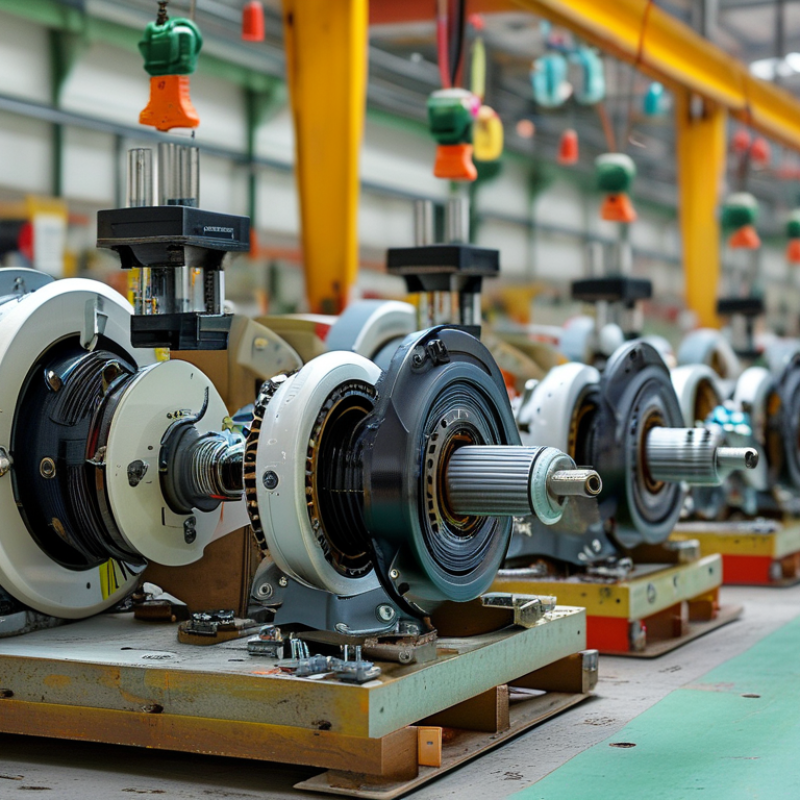
Transformer winding machines play a crucial role in the manufacturing of transformers, which are essential for efficient power distribution. These machines accurately wind coils of copper or aluminum wire, ensuring that transformers operate effectively. Research indicates that the transformer manufacturing market is expected to reach $23.5 billion by 2027, driven by the growing demand for renewable energy sources. This highlights the importance of high-quality winding machines in meeting future energy needs.
The efficiency of transformer winding machines impacts the overall performance of transformers. An estimated 30% of energy losses in transformers originate from inadequate winding techniques. Therefore, investing in advanced winding technology is vital for reducing costs and improving energy efficiency. While automation enhances precision, many manufacturers still rely on manual processes. This introduces variability and potential errors in the production workflow. Continuous improvement and innovation in winding techniques must be pursued to keep pace with industry demands.
Experts emphasize the need for robust training programs for operators. Skilled personnel can significantly reduce errors and improve the quality of windings. Many manufacturers report that a well-trained workforce can enhance productivity by up to 20%. However, despite technological advancements, there remain challenges, including material waste and machine downtime. The industry's collective responsibility is to address these issues to optimize transformer production efficiency.
Key Features to Consider When Selecting Winding Machines
When selecting transformer winding machines, several key features are essential. Precision is crucial. Look for machines that guarantee consistent wire tension and alignment. This ensures high-quality windings, vital for transformer performance. Machines should allow for quick adjustments. Ease of use can greatly influence productivity on the shop floor. Operators need to adapt settings swiftly to meet different winding specifications.
Automation features are becoming increasingly important. Machines equipped with automated functions can reduce human error and enhance efficiency. However, not all operators may be comfortable with complex systems. Comprehensive training is essential. It’s important to balance technology with operational simplicity.
Reliability is another factor that cannot be overlooked. A reliable machine minimizes downtime. Regular maintenance and easy access to components for repairs can greatly extend machine life. Users should consider how easily they can source parts and service. Availability of support is key for long-term satisfaction with the investment. Adopting machines with these considerations will lead to better performance and a competitive edge in the market.
Top 10 Transformer Winding Machines Rated by Global Experts
Transformer winding machines are essential in the production of electrical transformers. According to a recent industry report by Research and Markets, the market for these machines is projected to grow significantly, driven by the demand for energy-efficient transformers. Experts emphasize the need for advanced technology in winding processes to enhance efficiency and precision.
The latest models incorporate intelligent automation and high-speed winding capabilities. These advancements minimize production errors and improve throughput. One report indicates that machines with automatic wire tension control can reduce scrap materials by up to 30%. This highlights the trend towards smarter manufacturing solutions in the transformer industry.
However, it's crucial to recognize the challenges. A reliance on automation can lead to skill gaps in the workforce. Operators may find it difficult to troubleshoot complex systems without adequate training. Additionally, new technologies require ongoing maintenance, which can add to operational costs. Balancing innovation with workforce development is vital for future competitiveness in the transformer winding sector.
Top 10 Transformer Winding Machines Rated by Global Experts
Comparative Analysis of the Best Transformer Winding Machines
When considering transformer winding machines, the variety available can be overwhelming for buyers. Each machine offers unique features that cater to specific production needs. A comparative analysis reveals significant differences in design, efficiency, and user-friendliness. Understanding these distinctions is vital for making an informed decision.
Quality control is a crucial aspect of choosing winding machines. Many machines perform well initially, but durability can vary. Buyers may find that some machines require frequent maintenance, impacting productivity. Additionally, the ease of operation is essential for minimizing training time and maximizing output. A machine that is difficult to operate can lead to frustration and inefficiencies.
Finally, it’s important to reflect on the technological adaptability of winding machines. As industry standards evolve, machines should be able to incorporate new technology and techniques. Buyers should consider whether the machine can be upgraded easily. This adaptability is a sign of a reliable investment in the long run. Balancing these factors will help buyers make a better choice tailored to their specific needs.
Future Trends in Transformer Winding Technology and Innovations
The future of transformer winding technology is poised for significant advancements that emphasize efficiency and sustainability. Recent industry reports indicate a trend towards automation in winding processes. Automated machines can reduce labor costs and enhance precision. This shift is essential as the demand for reliable transformers continues to grow globally.
Innovations in materials are also transforming the industry. The development of lighter and more durable materials can improve transformer performance. According to a market analysis, businesses that adopt these new materials could see a reduction in energy losses by up to 10%. However, the integration of such materials demands careful consideration of long-term environmental impacts.
Achieving optimal winding efficiency requires a focus on design and technology. Manufacturers must continuously evaluate their processes. This helps identify bottlenecks and enhance overall productivity. Regular training on new technologies ensures that workers are skilled and adaptable.
One effective strategy is to engage in regular feedback loops with engineering teams. Gathering insights can lead to rapid adjustments during production. This adaptability is critical in a rapidly evolving market, ensuring that manufacturers stay relevant and competitive.