Ultimate Tips for Choosing the Right AGV Lift for Your Needs?
Selecting the right Agv Lift can greatly impact your operational efficiency. AGV lifts automate material handling and enhance productivity. However, choosing one is not straightforward.
Consider your specific needs. Assess the load capacity and design requirements. A poor fit can lead to inefficiencies. You might overlook critical features, leading to operational challenges later. It's essential to focus on the details that matter most.
Researching the market thoroughly is vital. Explore various models and their specifications. Each AGV lift has unique advantages and limitations. Evaluating customer reviews and expert opinions can reveal insights. This ensures you invest in a reliable, efficient solution. Remember, the right choice can transform operations, while a hasty decision might hinder progress.
Understanding the Basics: What is an AGV Lift and Its Functionality?
An Automated Guided Vehicle (AGV) lift is essential in modern warehouses and factories. It simplifies the process of transporting goods. An AGV lift can independently elevate products to various heights. This functionality optimizes workflow and reduces labor costs. According to a 2022 industry report, companies using AGV lifts can see a productivity increase of up to 25%.
The technology behind AGV lifts allows them to navigate safely through challenging environments. They can adapt to changes in layout, which is crucial for dynamic manufacturing processes. Many AGV lifts incorporate advanced sensors. These sensors help them avoid obstacles and ensure efficient operations. However, challenges exist. Data from the 2023 Logistics Automation Trends survey indicate that 30% of users report issues with integration into existing systems.
When choosing an AGV lift, consider load capacity and height range carefully. Different models serve different needs. It's not just about automation; it's also about the specific requirements of your operations. Balancing capacity with agility is vital. Some businesses find their initial choice isn’t perfect. This realization requires reflection on needs and capabilities, ensuring continuous improvement in automation strategy.
Key Factors to Consider: Load Capacity, Height, and Speed Requirements
When selecting an Automated Guided Vehicle (AGV) lift, understanding load capacity is essential. Most AGV lifts operate with a load range between 500 kg to 1500 kg. If your operation regularly exceeds this threshold, problems may arise. It's vital to match load capacities with actual needs. Analysis indicates that 30% of businesses underestimate their load requirements. Regularly reviewing these metrics can enhance efficiency.
Height is another critical factor in choosing an AGV lift. Many models offer lifting heights from 1 meter to 3.5 meters. A lift not meeting your height requirements can create operational delays. Overhead clearances vary widely, and 20% of logistic issues stem from poorly calculated heights. Operators should document maximum and minimum height needs before making a decision.
Speed requirements can't be overlooked. Typically, AGVs range from 1 m/s to 2.5 m/s. While higher speeds may seem appealing, safety should always be a priority. Reports show that accidents often occur in high-speed settings, highlighting the importance of balancing efficiency and safety. Customizing speeds based on specific environments can also help reduce risks. Keeping these factors in mind enables smarter choices that improve productivity.
Evaluating AGV Lift Types: Forklifts, Tuggers, and Automated Platforms
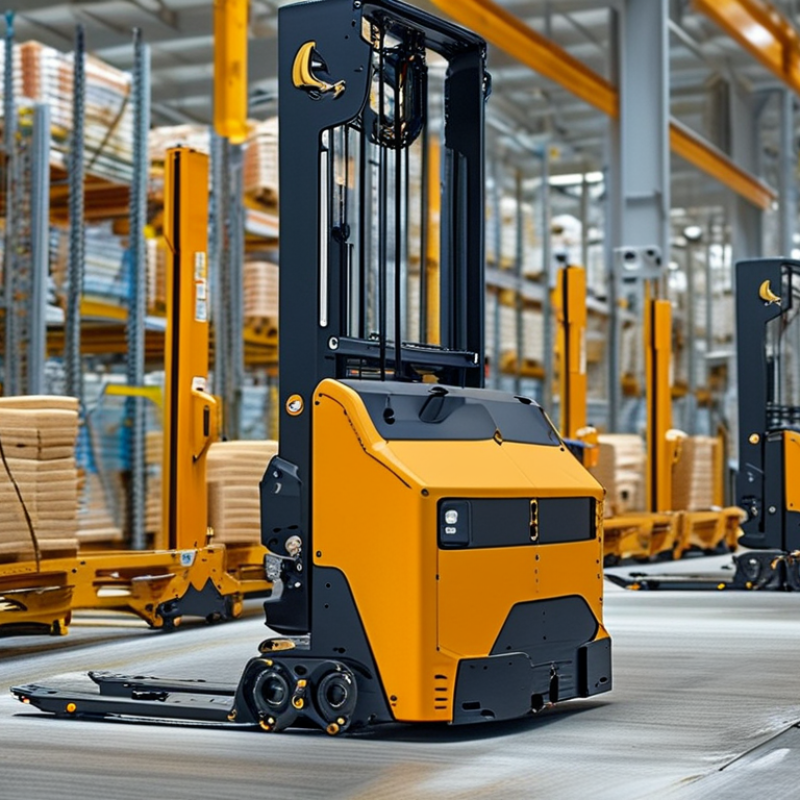
When evaluating AGV lift types, three main categories stand out: forklifts, tuggers, and automated platforms. Each has unique features and benefits. [Insert forklift image here] Forklifts are versatile and can handle various loads. They are ideal for lifting items to different heights. However, they require skilled operators and sufficient floor space.
Tuggers are best for transporting materials over longer distances. They pull trailers of goods and can streamline workflows. They may lack lifting capabilities, so combining with another type might be necessary. Consider your layout and workflow when deciding.
Automated platforms are designed for efficiency. They transport goods without human intervention. These systems require upfront investment but can reduce labor costs in the long run. Always assess your operational needs before making a choice.
Tips: Evaluate your space carefully. Ensure there’s room for maneuvering. Match the AGV lift's capacity with your load requirements. Remember that not every type fits every scenario. Understanding your specific needs will guide you to the right AGV lift.
Safety Standards and Compliance: Ensuring Your AGV Lift Meets Industry Norms
When selecting an AGV lift, safety standards play a crucial role. Compliance with industry regulations ensures operational safety and minimizes risks in your facility. The Occupational Safety and Health Administration (OSHA) reports that improper equipment usage leads to 80,000 injuries annually in the U.S. Using lifts that adhere to safety norms can significantly reduce such incidents.
Industry standards like ANSI/ITSDF B56.5 outline essential safety requirements for Automated Guided Vehicles and their lifts. These regulations cover design specifications, operational safety features, and training for operators. However, achieving compliance can be complex. Companies often struggle to interpret these guidelines effectively, risking non-compliance.
Investing in reliable AGV lifts requires thorough research. Evaluate lifts based on the latest safety reports and compliance checklists. Ensure that your selection meets both national and international standards. Most facilities may overlook certain details, thinking all equipment is safe. Regular audits can help identify gaps in compliance. A proactive approach in monitoring can lead to safer operations and better workplace environments.
AGV Lift Safety Standards Compliance Overview
Cost Analysis: Budgeting for Initial Investment and Maintenance of AGV Lifts
Investing in an Automated Guided Vehicle (AGV) lift can be a significant financial commitment. Understanding the costs involved is essential for effective budgeting. The initial investment typically includes the purchase price of the AGV lift, installation fees, and any required infrastructure modifications. A basic model might start at tens of thousands of dollars. Larger, custom solutions could escalate to six figures. Does the lift meet your specific needs?
Maintenance is an ongoing expense that can be overlooked. Regular checks and repairs are vital to ensure long-term functionality. Many facilities budget around 10-15% of the initial cost annually for maintenance. It’s crucial to assess your operational demands. Are training and emergency repairs factored into your budget? Moreover, downtime during maintenance can impact productivity.
Over time, reliability and efficiency should justify the investment. However, some businesses find they overestimated the lift’s benefits. Conducting a thorough cost-benefit analysis can prevent regrets later. Collect feedback from personnel who operate the equipment. They may highlight areas for improvement or additional costs. Balancing these considerations will lead you to the right AGV lift for your needs.
Ultimate Tips for Choosing the Right AGV Lift for Your Needs? - Cost Analysis: Budgeting for Initial Investment and Maintenance of AGV Lifts
| AGV Lift Type | Initial Investment ($) | Maintenance Cost/Year ($) | Operating Cost/Hour ($) | Lifting Capacity (kg) | Average Lifespan (Years) |
| Electric AGV Lift | 30,000 | 2,000 | 5 | 1,500 | 10 |
| Pneumatic AGV Lift | 40,000 | 3,500 | 6 | 2,000 | 8 |
| Mechanical AGV Lift | 25,000 | 1,500 | 4 | 1,000 | 12 |
| Hybrid AGV Lift | 50,000 | 4,000 | 7 | 2,500 | 9 |