Top Tips for Choosing an ARM Industrial Panel PC for Your Needs?
When it comes to selecting an ARM Industrial Panel PC, expert insight can be invaluable. John Smith, a seasoned industry analyst, states, “Choosing the right ARM Industrial Panel PC can significantly impact your productivity.” This underscores the critical nature of the decision.
ARM Industrial Panel PCs are designed for a range of applications. Their versatility makes them suitable for various industries, from manufacturing to healthcare. However, the plethora of options available can be overwhelming. Understanding your specific needs is essential in this process.
Many users overlook important factors like processing power, screen durability, and connectivity options. You don’t want to be left regretting a hasty choice. Ensuring that your selected ARM Industrial Panel PC meets all operational requirements will enhance your workflow significantly. The right device can lead to increased efficiency and reliability in your operations.
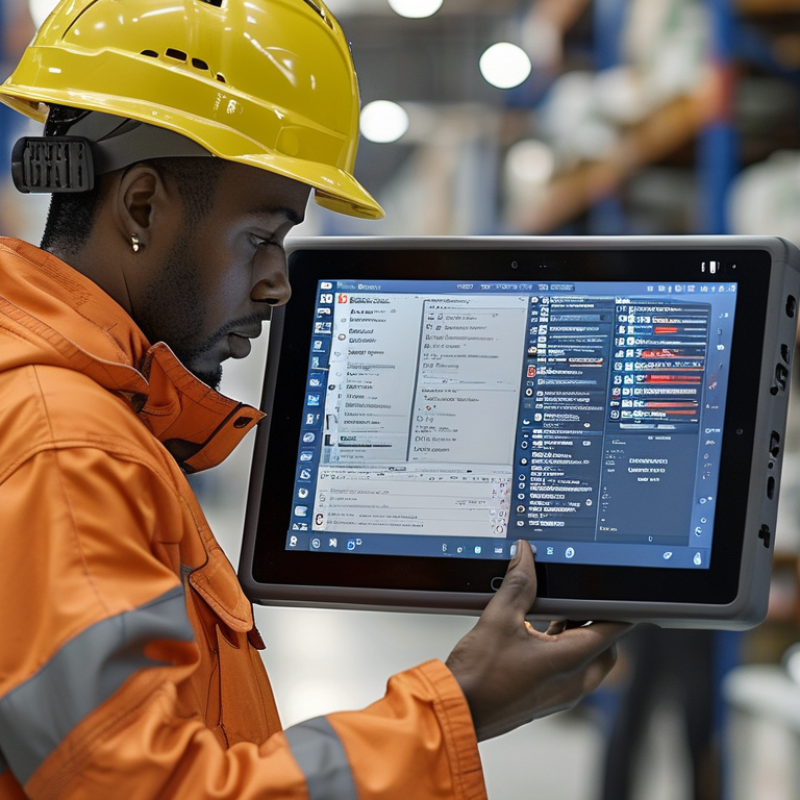
Key Considerations for Selecting an ARM Industrial Panel PC
When it comes to selecting an ARM Industrial Panel PC, a few key considerations can guide your decision. Assessing your specific needs is crucial. Determine the operating environment. Harsh conditions like extreme temperatures or moisture may demand robust protection. This can influence your choice of housing materials and design.
Another significant factor is processing power. Different applications require varying levels of performance. If you’re running complex algorithms, ensure the CPU can handle the load. Keep an eye on RAM and storage as well. It can be tempting to choose a model based on specifications alone, but real-world performance may differ.
Connectivity options should also be evaluated. Ensure the device supports required interfaces such as USB, Ethernet, or serial ports. Compatibility with existing systems can prevent headaches later on. Consider ease of integration and maintenance as well. Reflecting on these aspects can make a substantial difference in overall satisfaction.
Understanding ARM Architecture and Its Advantages for Industrial Applications
When selecting an ARM industrial panel PC, understanding ARM architecture is crucial. ARM processors are widely appreciated for their energy efficiency and compact design. According to a recent market report, ARM-based devices hold over 30% of the industrial computing market. They excel in applications where power consumption and thermal management are vital, particularly in harsh environments.
One tip to consider is assessing the processing power and memory of the ARM panel PC. Look for models with adequate RAM and CPU speed to support your specific applications. Performance can vary significantly among different devices. Another vital aspect is the connectivity options. Ensure the panel PC has the necessary ports and networking capabilities to interface with your existing systems. Poor connectivity can hinder system integration.
The low power consumption of ARM architecture often leads to reduced operational costs. However, not all applications benefit equally from its advantages. Certain heavy computational tasks may still require alternative architectures. Evaluate the computational demands of your projects thoroughly. Balancing power and performance will lead to a more effective industrial solution.
Performance Comparison of ARM Industrial Panel PCs
This chart compares the performance metrics of various ARM Industrial Panel PCs, focusing on processing power, power consumption, cost, and operating temperature range. Use this information to evaluate which model best suits your industrial applications.
Evaluating Performance Metrics: CPU, RAM, and Storage Requirements
When selecting an ARM industrial panel PC, assessing performance metrics is crucial. The CPU is the heart of the device. Look for a multicore processor that can handle multitasking efficiently. According to industry reports, devices with at least 4 cores significantly outperform single-core alternatives in most industrial applications. This can directly affect productivity and reduce lag during intensive operations.
RAM is another vital component. For most industrial tasks, a minimum of 4GB is recommended. Applications that involve data processing or running multiple programs will benefit from 8GB or more. Research indicates that systems with 8GB RAM show a 30% increase in processing speed compared to those with just 4GB. Storage options are also essential to consider. SSDs typically offer faster read/write speeds than traditional HDDs, improving overall system responsiveness.
While performance metrics are key, remember that the environment may affect these factors. Dust, humidity, and temperature fluctuations can impact hardware performance. Be mindful of these conditions when making your choice. Often, higher specifications come with a higher price tag. Weighing the benefits against actual needs is essential for a wise investment. It’s not just about having the latest tech; it’s about finding the right balance for your specific requirements.
Assessing Compatibility with Industry Standards and Software Ecosystems
When selecting an ARM Industrial Panel PC, compatibility is key. Evaluate how well the device aligns with industry standards. This ensures interoperability with existing systems and machinery. Compatibility reduces integration issues, saving time and expenses.
Consider the software ecosystem you use. Not all panel PCs support the same applications. Look for flexibility in operating systems and software frameworks. This allows for easier updates and scalability. An ideal device should support various communication protocols.
It's also vital to assess the support and documentation available for the PC. Sometimes manuals fall short. A responsive customer service team can make a big difference. Reach out to other users in your industry for insights. Their experiences can often reveal aspects you might overlook.
Exploring Environmental Factors: Durability, Temperature, and IP Ratings
When selecting an ARM industrial panel PC, environmental factors are crucial. Durability defines hardware longevity. Equipment in harsh settings faces dust, moisture, and impact. Look for devices made with robust materials that can withstand these challenges. Scratch-resistant screens and sturdy chassis can prevent damage. Consider the specific conditions where the device will operate.
Temperature range matters significantly. Extreme temperatures can impair performance or cause failure. Some devices operate effectively in freezing conditions, while others perform best in heat. Verify the manufacturer’s specifications for temperature tolerance. A device that fails to meet these ranges can disrupt operations.
IP ratings are essential for gauging dust and water resistance. A higher IP rating indicates better protection. For example, an IP67 rating means the device is dust-tight and can withstand submersion in water. However, not all settings require the highest rating. Assess your environment to ensure the chosen device isn't over-engineered, potentially wasting resources and budget.
Conclusion
When selecting an ARM Industrial Panel PC, several key considerations come into play. First, understanding the ARM architecture is crucial, as it offers distinct advantages such as energy efficiency and optimized performance for industrial applications. Evaluating performance metrics like CPU speed, RAM capacity, and storage requirements ensures that the device meets the demands of specific tasks within an industrial setting.
Furthermore, compatibility with industry standards and software ecosystems should be assessed to guarantee seamless integration into existing workflows. Environmental factors, including durability, temperature ranges, and IP ratings, are essential for selecting a panel PC that can withstand harsh industrial conditions. Finally, budgeting is vital; a careful analysis of cost versus performance will help make an informed choice, ensuring that the selected ARM Industrial Panel PC effectively supports operational needs while fitting within budget constraints.