Single Garden Gate Designs for Your Home and Garden Needs?
Designing a single garden gate can elevate your home's aesthetic appeal. Homeowners often overlook the significance of this feature. According to landscape architect Sarah Jenkins, “A single garden gate is not just an entrance; it sets the tone for your garden journey.” Her insight highlights the importance of design choices.
When selecting a single garden gate, consider materials that suit your home. Wood offers a rustic charm, while metal provides durability. Think about the color too. A bright gate can draw attention, while a muted one can blend seamlessly into nature. Each detail matters; they contribute to the overall ambiance.
Many homeowners grapple with functionality versus style. A beautifully designed single garden gate may not always be practical. Reflecting on both aspects is crucial. This piece will explore different designs, and hopefully inspire you to create an inviting entryway. A well-chosen single garden gate can serve both beauty and purpose.
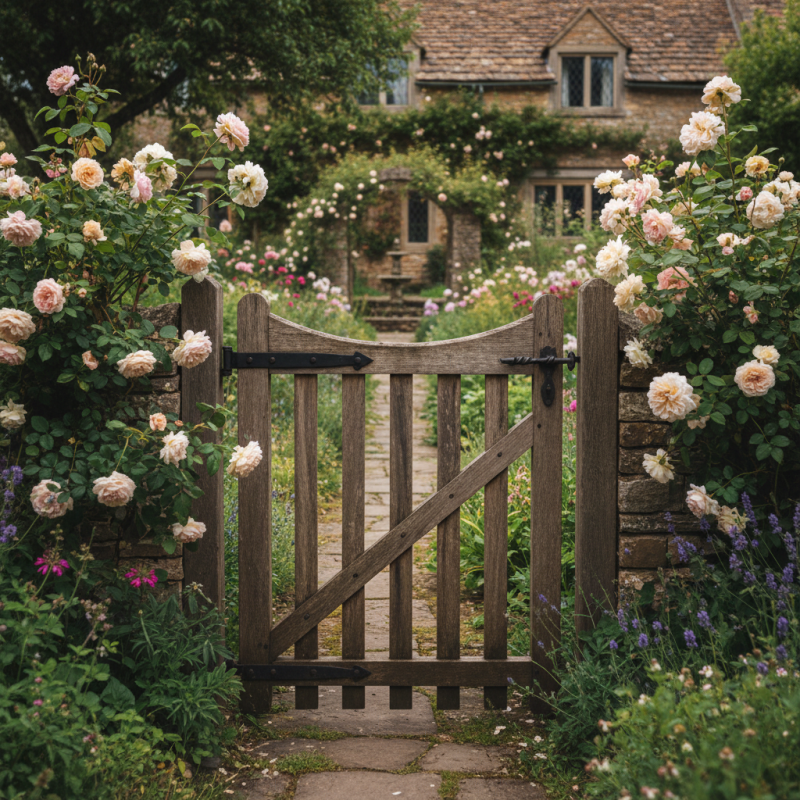
Overview of Single Garden Gate Designs
When selecting single garden gate designs, it's essential to consider both functionality and aesthetics. These gates serve as entry points, creating boundaries for your garden while enhancing its visual appeal. According to the Garden Gate Association, well-designed gates can improve property value by up to 15%. The right gate can harmonize with a home's architectural style, whether rustic or modern.
Materials matter significantly in gate design. Wood, metal, and composite materials each provide unique advantages. Wood gates offer a classic look but may require more maintenance. Metal gates are sturdy and secure but can be prone to rust if not treated properly. Composite materials combine the best of both worlds, offering durability with less upkeep.
**Tips:** Opt for a gate design that complements your garden's theme. It should balance functionality with the overall aesthetic. Consider size; a grand gate can serve as a focal point, while a smaller gate might fit better in a more intimate space. Additionally, think about the finish. A weather-resistant coating can prolong the life of your gate, ensuring it withstands harsh elements.
Reflect on your garden's purpose as you make your choice. Is it a space for relaxation or entertaining? Your gate's design should align with how you intend to use the area. Keep in mind the need for privacy and security, as these are crucial elements that your gate should address effectively.
Single Garden Gate Designs for Your Home and Garden Needs
| Design Type | Material | Dimensions (Height x Width) | Style | Color Options |
| Arched Garden Gate | Wood | 6ft x 4ft | Traditional | Natural, Stained |
| Modern Slider Gate | Metal | 5ft x 6ft | Contemporary | Black, Grey |
| Vinyl Garden Gate | Vinyl | 6ft x 3ft | Classic | White, Beige |
| Wrought Iron Gate | Iron | 7ft x 4ft | Elegant | Black, Antique Bronze |
| Picket Fence Gate | Wood | 4ft x 3ft | Rustic | Natural, Painted |
Materials Used in Single Garden Gate Construction
When designing a single garden gate, material choice is crucial. Common options include wood, metal, vinyl, and composite materials. Each brings distinct benefits and aesthetics to your garden entrance. Wooden gates offer natural warmth, while metals provide strength and longevity. Vinyl gates can replicate the look of wood, offering low maintenance. Composite materials combine durability with a wood-like appearance.
Consider the climate in your area. Wooden gates may warp in humid conditions. Metal gates might rust without proper coating. Vinyl is resistant to fading but could crack in extreme temperatures. Think about the overall design of your garden. A rustic wooden gate might suit a cottage garden, while a sleek metal design fits modern landscapes.
Reflecting on functionality is also important. Some materials are lightweight and easier to swing open. Others may need additional support. Choosing the right material enhances not just the gate's look but also its usability. Balancing aesthetics and practicality will lead to a more satisfying decision. Take your time to weigh these factors.
Styles and Aesthetics of Single Garden Gates
When choosing a single garden gate, style and aesthetics play crucial roles. A well-chosen gate can enhance the overall appearance of your home and garden. Classic wooden gates exude warmth and charm. They blend seamlessly with nature, adding a rustic feel. On the other hand, metal gates offer a different appeal. Their sleek lines can provide a modern touch to your landscape.
Colors and finishes matter too. Earthy tones create harmony with plants, while bold colors make a statement. Gates with intricate designs can draw the eye, becoming focal points in your garden. Consider your home’s architecture when selecting a gate. A mismatched style can lead to a chaotic look.
Quality varies across designs. A cheap gate may serve temporarily but could warp or rust over time. You might find yourself needing repairs sooner than expected. Reflect on how often you use the gate. If it experiences daily wear, investing in a sturdier option makes sense. Remember, the perfect garden gate balances beauty and functionality while reflecting your personal style.
Functional Considerations for Garden Gate Placement
When considering garden gate placement, functional aspects are vital. The gate should provide easy access while enhancing the overall design of your space. Choosing the right location can significantly impact both security and convenience. It’s important to think about how often you will use the gate. If it’s a frequently accessed area, a larger gate might be necessary.
Consider the flow of foot traffic. A poorly placed gate can disrupt movement in your garden. It’s beneficial to align the gate with pathways for a cohesive look. Additionally, think about visibility. A gate that blends into the surroundings may look beautiful but can lead to accidents if it’s not easily noticeable. A bright color or unique design helps in that regard.
Weather conditions can also play a role in functionality. Ensure the gate opens away from prevailing winds. This can prevent damage during storms. Choose durable materials that withstand local weather patterns. Keep in mind that even with careful planning, adjustments may be needed as your garden grows. Regularly evaluate its performance and make necessary changes for optimized use.
Maintenance Tips for Longevity of Garden Gates
Garden gates can enhance the charm of your outdoor space. However, these gates require proper maintenance to ensure their longevity. Regular checks on the hinges and locks can prevent them from rusting. A coated hinge can withstand moisture better. This simple step drastically prolongs the life of your gate.
Wooden gates need special attention. They can swell and warp due to weather changes. Applying a weatherproof seal annually can protect them from damage. However, do not overdo it. Too many layers can trap moisture, leading to decay. Keep an eye on the wood grain. If it begins to crack, it might be time to sand and refinish.
Metal gates can be sturdy, but they also have vulnerabilities. Look for scratches that may lead to rust. A touch of rust can quickly escalate if ignored. Clean your gate regularly to minimize dirt buildup. Consider using a clean cloth and a mild detergent for a thorough scrub. Lastly, keep the surrounding area clear of debris. This will help the gate operate smoothly and extend its life.