What is the Future of Vision Inspection System in 2026?
The future of Vision Inspection Systems is poised for significant advancement by 2026. The global market for these systems is projected to reach $3.19 billion, growing at a CAGR of 7.5% from 2021 to 2026, according to industry reports. This growth indicates a rising demand for automation and quality control in manufacturing processes.
As industries increasingly adopt smart technologies, Vision Inspection Systems will evolve. They will integrate artificial intelligence and machine learning to enhance their accuracy and efficiency. Reports suggest that the accuracy of these systems can reduce production errors by over 30%. However, challenges remain. Not all manufacturers have adopted these systems due to high initial costs and the need for specialized personnel.
Yet, as competition intensifies, the value of a reliable Vision Inspection System becomes undeniable. Companies that invest in this technology will likely gain a competitive edge. As we look towards 2026, the question arises: will firms adapt quickly enough to harness the full potential of Vision Inspection Systems? The journey promises both challenges and opportunities for growth.
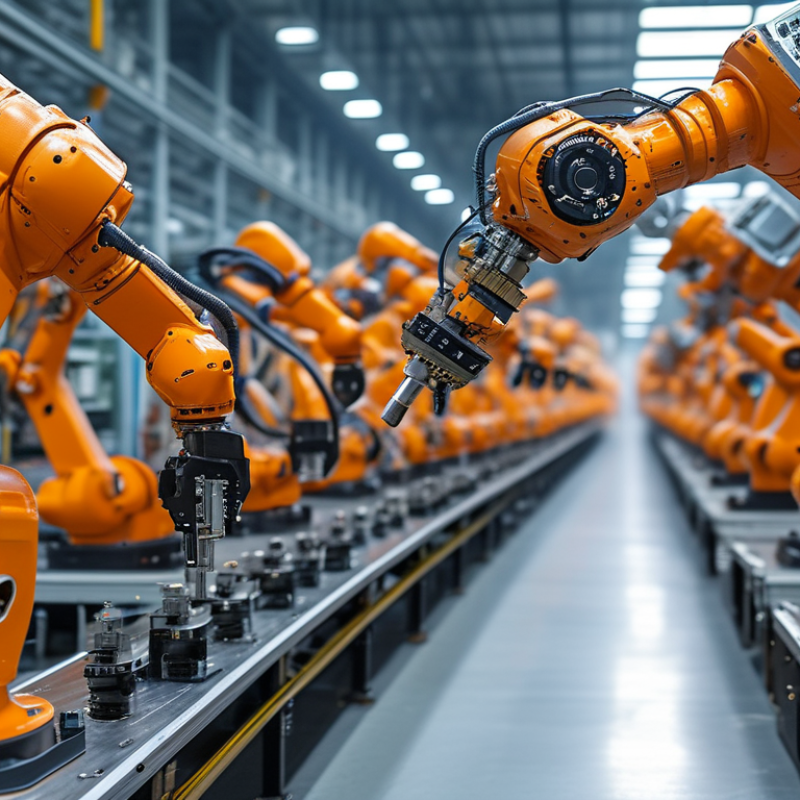
Emerging Technologies Enhancing Vision Inspection Systems in 2026
The future of vision inspection systems in 2026 is marked by significant technological advancements. One prominent trend is the integration of artificial intelligence. AI-driven algorithms will analyze images with remarkable speed and accuracy. This transformation enables faster defect detection in manufacturing. However, the reliance on AI may lead to overconfidence in automated systems.
Another emerging technology is enhanced 3D imaging. This advancement provides deeper insights into product dimensions and surface textures. 3D imaging can unveil defects that 2D systems might miss. Yet, this technology demands extensive training and calibration, which may pose challenges for some users.
The adoption of advanced machine learning models will likely enhance adaptive learning in inspection systems. These models improve over time, learning from past inspections. However, there may still be some unforeseen inaccuracies as the technology evolves. Continuous innovation will push boundaries in the field, but human oversight will remain crucial to maintain quality standards.
Integration of Artificial Intelligence in Vision Inspection Processes
The future of vision inspection systems in 2026 looks promising, especially with the integration of artificial intelligence. As AI technologies advance, we can expect improved accuracy in defect detection. These systems will reduce human error significantly. A recent report suggested that AI could enhance inspection speeds by up to 30%. This efficiency increase could transform production lines.
However, challenges remain. The implementation of AI in vision inspection can lead to over-reliance on technology. If a system encounters scenarios it hasn’t been trained on, it might fail. Moreover, the quality of AI algorithms largely depends on the data they are fed. Poor data can lead to inaccurate inspections. Continuous training and validation are essential.
New AI-driven insights will help manufacturers adapt faster. Real-time analytics can provide immediate feedback, allowing teams to make quick adjustments. Integrating AI requires a shift in mindset. Companies must foster a culture of innovation and readiness to learn. This mindset will be crucial for leveraging AI tools effectively. The balance between automation and human oversight will shape the future landscape of vision inspection processes.
Impact of Industry 4.0 on Vision Inspection Systems
The vision inspection system is evolving rapidly due to Industry 4.0. With advancements in artificial intelligence and machine learning, these systems are becoming smarter and more efficient. The future lies in their ability to self-learn. By 2026, we can expect notable improvements in defect detection accuracy and speed.
Tips: Regularly review your inspection processes. Continuous improvement is key in this tech-driven era.
Integration with IoT is also significant. Data can flow seamlessly between machines and systems. This connectivity allows for real-time monitoring and analysis. However, challenges remain. Adapting legacy systems to new technologies can be costly and complex. Companies must tread carefully and plan effectively.
Tips: Train your team on new technologies. Embrace a culture of learning.
Moreover, the dependence on reliable data becomes crucial as the systems become more advanced. Ensuring data integrity is a challenge every organization faces. Automated systems cannot replace human judgment entirely. A balance between automation and human oversight is essential for optimal performance. This is a nuance that many overlook in the rush to adopt new technologies.
Future of Vision Inspection Systems in 2026
Future Market Trends for Vision Inspection Systems by 2026
The vision inspection system market is evolving rapidly. By 2026, several trends will shape its future. Advances in artificial intelligence will drive automation. Enhanced algorithms will improve defect detection accuracy. Manufacturers will increasingly rely on these systems to maintain quality standards.
Data integration will become crucial. Systems will need to communicate seamlessly with other machines and processes. Real-time analytics will provide valuable insights. This shift will help businesses adapt quickly to market demands. However, challenges remain in ensuring data security and system compatibility.
User training will play a vital role in implementation. Companies must invest in skill development. A lack of expertise can lead to improper system use. Also, as technology progresses, keeping pace with new tools can be overwhelming. Balancing innovation with practical application will be essential for success.
Challenges and Solutions for Vision Inspection Systems in the Upcoming Years
In the next few years, vision inspection systems will face significant challenges. As industries evolve, they must adapt quickly. One major hurdle is the integration of artificial intelligence. Developers often struggle with ensuring AI accuracy in real-time inspections. This necessity for precision is paramount in critical sectors like manufacturing and pharmaceuticals. An inaccurate inspection could result in substantial losses, both financially and reputationally.
Another challenge is the need for scalability. As production lines increase in speed and complexity, inspection systems must keep pace. Many existing systems are limited in their ability to handle larger volumes. This leads to bottlenecks and inefficiencies in production. Addressing these scalability issues will be crucial for future-proofing operations. Additionally, training staff to use advanced systems remains a hurdle. Complex interfaces can intimidate operators, requiring ongoing education and support.
The solutions to these challenges are not straightforward. Emphasizing user-friendly interfaces may enhance operability and reduce training time. Investing in ongoing AI training can also bridge the gap between speed and precision. Maintaining transparency in inspection processes could foster trust among stakeholders. As the landscape of vision inspection evolves, innovating while remaining vigilant to these challenges will be essential for success.