What Is a Furniture Suction Cup and How Does It Work?
A Furniture Suction Cup is a compact fitting that uses air pressure to hold an item against a smooth surface. It may support a furniture accessory, help steady a lightweight object, or keep a component in place without screws or glue. The cup usually has a flexible rim and a shallow, curved center. Pressing it against a surface pushes out some air; the cup’s edge then forms a seal. The pressure difference helps keep the cup attached.
The idea is simple. The result depends on the surface. Glass, polished tile, and other clean, nonporous materials may allow a better seal than rough wood, textured finishes, or dusty panels. A tiny scratch or patch of grease can matter. The cup may look firmly attached at first, but that does not guarantee it will hold the same way over time. That detail is easy to overlook.
Understanding how a Furniture Suction Cup works can help you choose and use one more carefully. Check the product’s stated capacity and instructions, clean and dry the contact area, and test the attachment before relying on it. Avoid treating a suction cup as a universal fastener; its grip can change with surface texture, temperature, moisture, and load. Some setups may need frequent checking. That is not especially convenient, but it is more realistic than assuming the seal will last indefinitely. A clear understanding of the mechanism makes it easier to judge where this simple fitting is useful—and where another attachment method may be more dependable.
Definition and Furniture Uses of Elastomeric Suction Cups
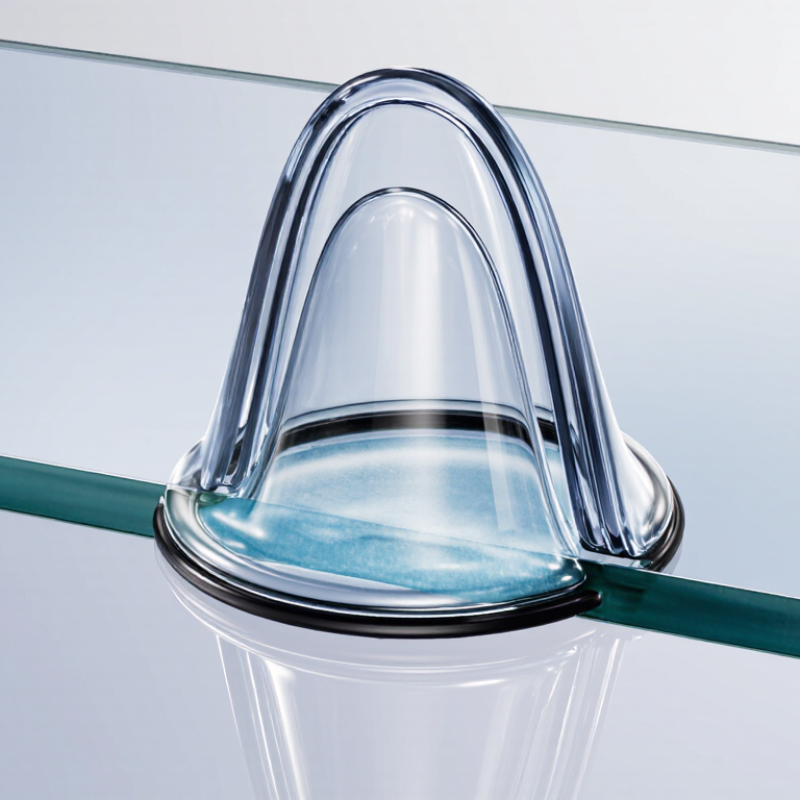
A furniture suction cup is a flexible elastomeric pad that temporarily grips a smooth surface. Pressing its rim against glass, sealed tile, or finished metal pushes out some air. The cup’s elastic shape then tries to recover, creating lower pressure beneath the pad than outside it. Atmospheric pressure holds the cup in place. That seal matters. Dust, textured coatings, and scratches can let air leak in and weaken the hold.
On furniture, small cups can steady glass shelves, protect polished surfaces, or help keep lightweight accessories from sliding. Silicone and other elastomers bend to form a seal, but their grip varies with cup size, material, surface condition, and load direction. A side pull can loosen a cup more readily than a straight pull. Clean both surfaces, press the rim evenly, and check the grip before placing anything valuable. Suction is temporary, not a substitute for a rated structural fastener.
The scale of furniture manufacturing helps explain the appeal of simple protective fittings. Grand View Research estimated the global furniture market at USD 765 billion in 2023 and projected a 5.4% compound annual growth rate from 2024 to 2030. That report covers furniture, not suction cups specifically. A useful distinction. Cup performance still needs to be judged on the actual surface, and a reassuring first grip may not last as the elastomer ages or the seal collects dust.
Core Parts: Cup, Stem, Seal, and Release Mechanism
A furniture suction cup holds by creating a low-pressure space between its flexible cup and a smooth surface. The cup’s curved face presses against glass, finished tile, or another nonporous surface. When air is pushed out, outside air pressure helps keep the cup in place. It is not glue, and it will not grip every finish.
The cup does the main work. Its stem connects the cup to a hook, handle, or furniture fitting, transferring the load. The seal is the cup’s rim, which must sit flat without dust, crumbs, or scratches crossing it. Even a tiny gap can let air seep back in. Keep the surface clean and dry. Small details matter.
Some designs include a release mechanism, such as a small tab or lever. Lifting it lets air beneath the rim, making removal easier and reducing the chance of a sudden pull on the surface. In practice, the seal is easy to underestimate. A cup may feel firm at first, then loosen as the surface gets damp or the load shifts. Check it regularly, and use it only within the maker’s stated load limit. A suction cup is better suited to a stable, smooth surface than a textured cabinet door.
What Is a Furniture Suction Cup and How Does It Work? — Core Parts: Cup, Stem, Seal, and Release Mechanism
| Core Part | What It Is | How It Works | Common Materials or Features | Practical Check |
| Cup | The flexible, concave body that contacts the furniture surface. | Pressing the cup against a smooth, nonporous surface pushes out some air. When the cup attempts to return to its original shape, the lower pressure beneath it helps atmospheric pressure hold it against the surface. | Often made from flexible elastomers such as silicone or rubber. Cup size and shape affect contact area and suitability for a particular surface. | Check for cracks, permanent deformation, dirt, or a surface texture that prevents close contact. |
| Stem | The neck or connector between the cup and the furniture fitting or supported component. | Transfers force between the cup and the attached part. Depending on the design, it may also allow the cup to pivot or adjust its angle. | May be molded as part of the cup or made as a separate component. Shapes and attachment methods vary by product. | Make sure the stem is firmly attached and is not bent, split, or under an unexpected sideways load. |
| Seal | The continuous contact line around the cup’s rim where it meets the mounting surface. | A close seal limits air from leaking into the low-pressure area under the cup. A break in the seal allows pressure to equalize and reduces holding force. | Usually formed by the cup’s soft, flexible lip. A clean, smooth, dry surface generally helps the lip make consistent contact. | Inspect the rim and mating surface for dust, grease, chips, grout lines, or other gaps that could disrupt the seal. |
| Release Mechanism | A tab, pull point, lever, valve, or other feature designed to help detach the cup. | Depending on the design, it may lift part of the rim or admit air beneath the cup. This breaks the seal and equalizes pressure, making removal easier. | Some simple cups use a flexible pull tab; other designs may use a mechanical lever or a valve. Not every suction cup includes a separate release mechanism. | Use the provided release feature rather than pulling hard on the stem, which can damage the cup or attached fitting. |
How the parts work together: The cup forms a close contact area, its rim creates the seal, and the stem connects the cup to the supported fitting. The holding effect depends on the pressure difference and the quality of the seal; it can weaken if air leaks beneath the rim. Follow the product’s load limits and installation instructions, since capacity varies with cup design, surface, and conditions.
How Pressing the Cup Expels Air and Forms a Seal
A furniture suction cup works through a pressure difference, not glue. Press its flexible dome against a smooth surface, and the rim spreads as trapped air escapes. When you release the pressure, the cup rebounds slightly, leaving lower pressure underneath. Outside air pushes the cup against the furniture. Not magic. ISO 2533:1975 gives standard sea-level atmospheric pressure as 101.325 kPa, a useful engineering reference for understanding how pressure differences create holding force. For example, an ideal 40-millimeter cup with a 20-kPa pressure difference could produce about 25 newtons of force before losses.
Real furniture surfaces are less cooperative. Dust, wood grain, and a curled rim can let air leak back in and weaken the seal. A tiny gap matters.
The calculation above is an estimate, not a safe load rating: actual performance depends on the cup material, surface, and fit. I would not trust a quick hand test to predict long-term holding strength. Press evenly, inspect the rim, and check the cup again after placement.
What Determines Grip: Cup Size, Surface, Leakage, and Load Margin
A furniture suction cup grips by pressing its rim against a smooth surface and reducing the air pressure inside. The pressure difference pushes the cup toward the furniture. Cup size matters: a 50 mm cup has about 0.00196 m² of contact area. Using NIST’s standard-atmosphere value of 101,325 Pa, its theoretical force approaches 199 N, or roughly 20 kgf, under a perfect vacuum. Real grip is lower. That figure is not a safe working load.
Surface texture, dust, and curved edges create tiny air paths. Leakage steadily reduces the pressure difference, sometimes before the cup visibly slips. Porous wood is especially unreliable; sealed glass or laminate usually offers a better seal. Load direction matters, too: a cup may resist a straight pull but slide under sideways force. EN 13155:2020 covers safety requirements for vacuum lifting attachments, reinforcing the need to use rated capacities, not theoretical calculations. Leave a load margin for vibration, movement, and imperfect contact. It’s easy to overestimate grip.
Tips: Clean both surfaces, press the cup firmly, then check the rim for leaks. Test with a light load first. Recheck after a few minutes, especially on warm or textured furniture. A slight leak can change everything.