Top Water Fittings You Need for Your Home Plumbing System?
When it comes to home plumbing systems, choosing the right water fittings is crucial. According to a recent report by the Plumbing Manufacturers International (PMI), a significant portion of plumbing system failures is linked to improper fittings. Jeff Thompson, a noted plumbing expert, emphasizes, "The right water fittings not only improve efficiency but also reduce long-term repair costs."
Inadequate water fittings can lead to leaks, pressure issues, and increased bills. In fact, PMI's data shows that nearly 40% of homeowners encounter leak-related problems due to faulty fittings. Many might overlook this aspect, thinking all fittings are the same, but this is a misconception. Proper fittings are designed to withstand specific pressures and temperatures.
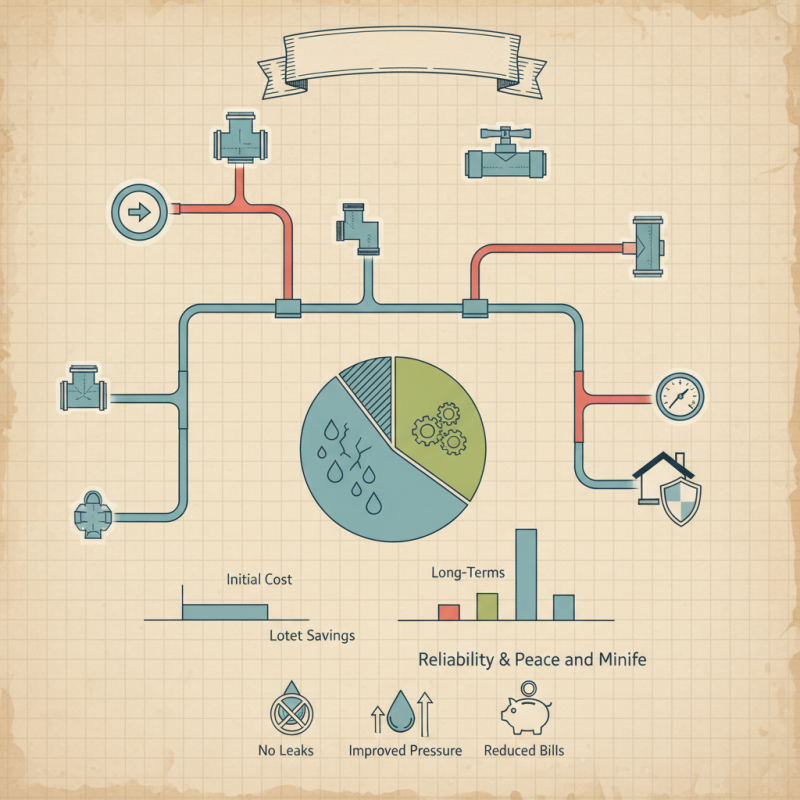
Investing in quality water fittings can seem daunting, but it's essential. It ensures the reliability of your plumbing system. People often underestimate the long-term benefits. It’s not just about immediate costs; it’s about future savings and peace of mind. As homeowners, we need to be aware of the significance of water fittings in our plumbing systems.
Essential Components of Home Plumbing Systems
Understanding the essential components of home plumbing systems is crucial for every homeowner. These components ensure the efficient flow of water and maintain hygiene at home. Pipes, fittings, and fixtures form the backbone of your plumbing. They work together to distribute clean water and remove waste safely.
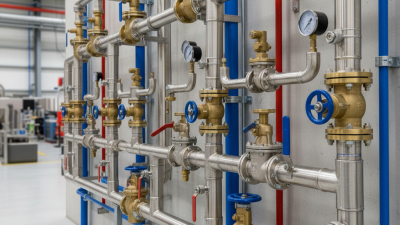
Valves play a key role in controlling water flow. They can be found in various locations, from the main supply line to individual fixtures. Regular inspection is important. A worn-out valve may leak. This leak can lead to significant water damage and higher utility bills.
Tips: Always check for signs of wear and tear. Replace any faulty valves promptly to avoid bigger issues later. Additionally, consider the material of your fittings. Copper, PVC, and PEX each have advantages and limitations. Make an informed choice based on your home’s needs and local regulations.
Remember to assess your plumbing fixtures too. Faucets and toilets can affect water efficiency. Replacing old fixtures might save you money in the long run. Keeping an eye on these components can help maintain a reliable plumbing system.
Types of Water Fittings Available for Residential Use
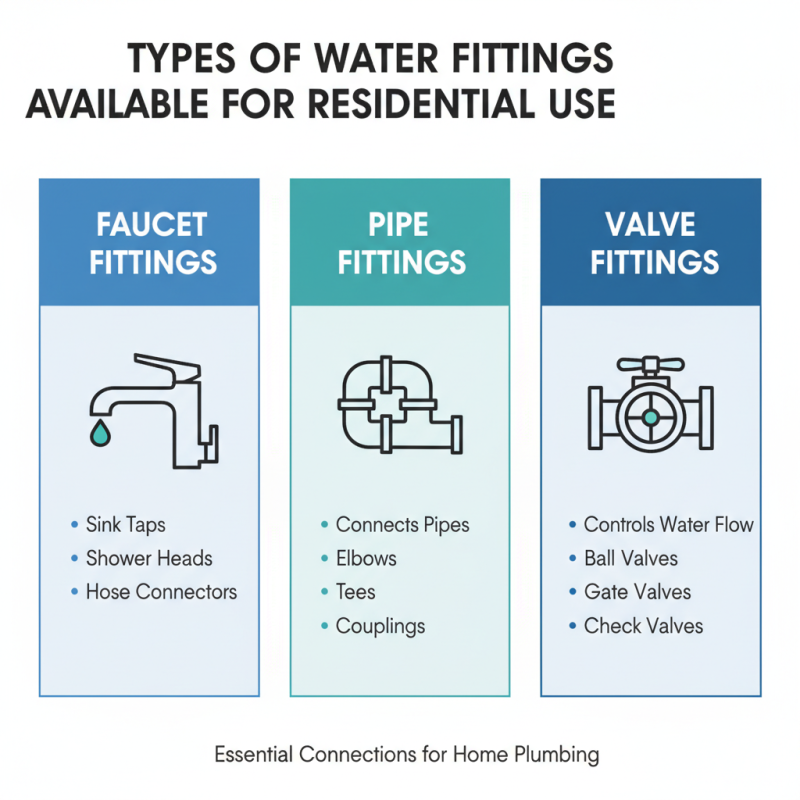
When it comes to home plumbing systems, choosing the right water fittings is crucial. Various types are available for residential use. Common options include faucet fittings, pipe fittings, and valve fittings. Each serves a unique function and provides essential connections throughout your plumbing system.
Faucet fittings are vital for your sinks and baths. They ensure a tight seal and prevent leaks. Various styles are offered, including compression, cartridge, and ball types. Pipe fittings, on the other hand, connect different sections of piping. Options include elbow, tee, and couplings, which facilitate smooth water flow across your home. Valve fittings play a key role in controlling water access. Gate, check, and ball valves are common choices.
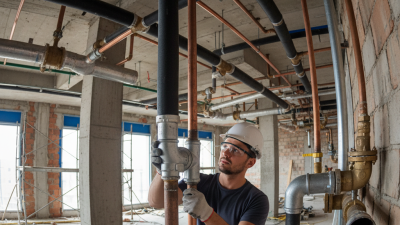
However, choosing water fittings isn’t always straightforward. Many people overlook compatibility issues, which can lead to performance problems. Installing fittings incorrectly can cause leaks or water pressure issues. DIY enthusiasts sometimes overlook the importance of consulting a professional. It's vital to understand the specific needs of your plumbing system before making a choice. This can save you from future headaches and expensive repairs.
Choosing the Right Water Fittings for Your Needs
Choosing the right water fittings is essential for a well-functioning plumbing system. Consider the specific needs of your home. For instance, water pressure plays a crucial role. If your water pressure is too high, use pressure-reducing fittings to prevent damage. Conversely, low water pressure may require specific fittings designed to enhance flow.
Tips: Assess your plumbing needs regularly. Check for leaks and unusual sounds. Small issues, if ignored, can escalate into costly repairs.
Selecting durable materials is vital. Brass and stainless steel offer longevity. Plastic fittings may be cheaper, but they often don't last as long. Weigh the costs against the lifespan. If you go for less expensive options, remember, this could mean more frequent replacements down the line.
Tips: Always read installation guides carefully. Missteps can lead to leaks and may necessitate professional help. Investing time in proper installation will save money later. Maintaining your fittings will keep your plumbing system in top shape.
Maintenance Tips for Your Plumbing Water Fittings
Maintaining water fittings is crucial for a well-functioning plumbing system. Many homeowners overlook this aspect, leading to serious issues. According to the American Society of Plumbing Engineers, regular maintenance can prevent up to 30% of plumbing failures. Inspecting fittings for leaks can save you water and reduce bills. A small drip from a faucet can waste around 3,000 gallons a year.
It's essential to check and clean aerators on faucets and showerheads. These fixtures can accumulate mineral deposits, affecting water flow and quality. The EPA reports that simple cleaning can improve efficiency by 10-20%. Additionally, look for corrosion on metal fittings. Corrosion can lead to leaks and replacements, which can be costly. When fittings corrode, they may require more frequent adjustments.
Finally, consider the age of your plumbing fittings. Older materials can be less reliable. If your home is over 20 years old, review your plumbing system. Regular inspections are vital. Although they may seem unnecessary, they offer peace of mind. A proactive approach can enhance your plumbing’s lifespan. Remember, ignoring small problems now can lead to large expenses later.
Top Water Fittings You Need for Your Home Plumbing System
| Fitting Type |
Material |
Size (inches) |
Application |
Maintenance Tips |
| Pipes |
PVC |
1.5 - 4 |
Drainage, waste, and venting |
Check for leaks, clean regularly |
| Faucets |
Brass |
Standard |
Kitchen and bathroom sinks |
Clean aerators, check seals |
| Valves |
Stainless Steel |
½ - 3 |
Controlling water flow |
Lubricate frequently, test for functionality |
| Connectors |
Copper |
¾ |
Joining pipes |
Check for corrosion, ensure tight seals |
| Taps |
Plastic |
Various |
Garden, hose fittings |
Inspect for leaks, winterize for cold weather |
Understanding Water Pressure and Fittings Compatibility
Understanding water pressure and fittings compatibility is essential for a well-functioning plumbing system. Water pressure affects how effectively water flows through your pipes. According to the American Society of Plumbing Engineers, optimal home water pressure ranges between 40 to 60 psi. If your pressure exceeds this, it may lead to leaks and system failures.
Fittings must match your home’s pressure specifications to prevent issues. For instance, PVC fittings may not withstand high pressure as well as metal fittings. A study from the International Association of Plumbing and Mechanical Officials indicates that improper fitting choices account for over 30% of plumbing failures. This data highlights how crucial it is to select compatible fittings based on pressure ratings.
You might find that some fittings perform inadequately under your unique pressure conditions. Regular assessments can help identify these discrepancies. Utilizing a pressure gauge can give you insights into your system's performance. Some homeowners overlook this step, leading to hidden complications. Make sure to check for leaks, as they can worsen under high pressure, necessitating further repairs. Understanding your water pressure is key for making informed choices about plumbing fittings.