Why Choose the Right Water Pump for Your Needs?
Choosing the right water pump is crucial for various applications, from agriculture to industrial uses. A recent report by the International Water Pump Association states that improper selection can lead to energy inefficiencies of up to 30%. This is significant, given that water pumps account for nearly 20% of global electricity consumption.
Expert Mark Thompson, a leader in pump technology for over 15 years, emphasizes, "Selecting the right water pump is not just about capacity. It’s about matching the pump to your specific needs." This quote highlights the importance of tailored solutions in the water pump industry.
Many users overlook factors like flow rate and head pressure, which can lead to costly inefficiencies. Misalignment with needs can diminish performance and compromise operational reliability. Understanding these elements is essential in making informed decisions. A careful evaluation ensures that the chosen water pump meets both current and future demands.
Understanding the Different Types of Water Pumps Available
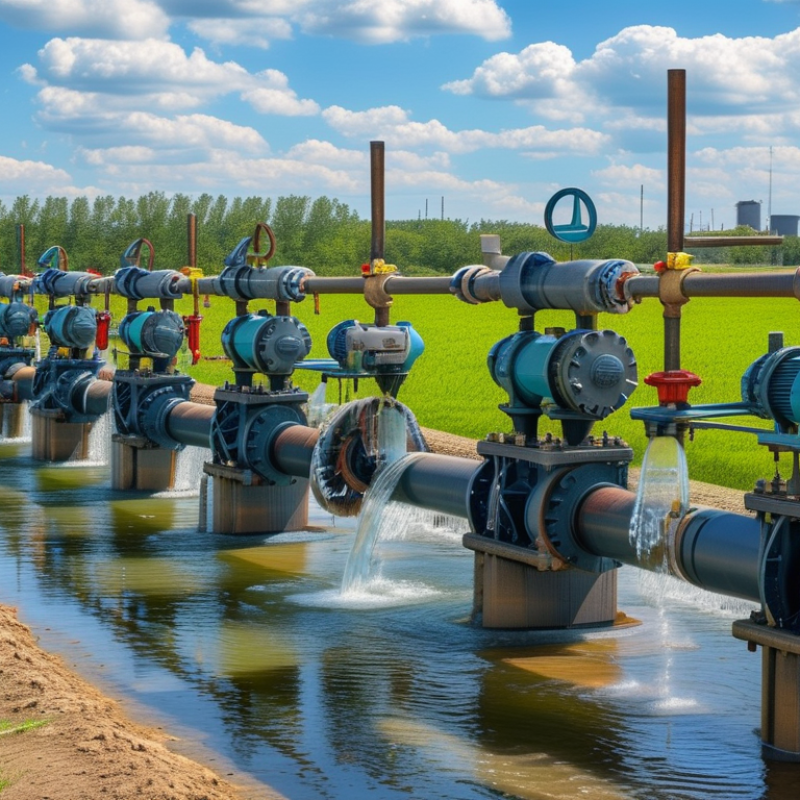
Choosing the right water pump for your requirements involves understanding the various types available in the market. Submersible pumps are designed to work underwater. They are effective for wells and ponds. Their design allows easy installation, but maintenance can be tricky due to their submerged nature.
Another common option is the centrifugal pump. This type uses rotational energy to move water. It is popular in agriculture and landscaping. However, it may struggle with high-viscosity liquids. Additionally, consider the positive displacement pumps. They provide a constant flow and are ideal for precision applications. Yet, they can be more expensive to operate.
Tips for selecting a water pump include determining your flow rate needs before purchase. Know the height from which the pump must draw. Proper sizing is crucial to ensure effective performance. Always consider the environment where the pump will operate. This affects both the selection and the longevity of the pump. Ensure to read user reviews and seek expert advice to make an informed decision.
Key Factors to Consider When Choosing a Water Pump
Choosing the right water pump involves several key factors. Understanding your specific needs is crucial. Consider the purpose of the pump. Are you draining water from a flooded area, or do you need a pump for irrigation? Matching the pump's design to its task ensures efficiency.
Flow rate is another critical factor. It refers to how much water a pump can move per minute. A higher flow rate is essential for larger tasks. Think about the distance the water needs to travel and the elevation it must reach. These details directly impact the pump's performance.
Pump power is often overlooked but vital. It determines how quickly and efficiently a pump can operate. Selecting the right power can save both time and energy. However, balancing power and size can be challenging. It's common to choose a model bigger than needed, leading to unnecessary energy consumption. Remember to evaluate your requirements honestly.
Assessing Your Specific Water Pump Requirements
Choosing the right water pump requires a careful assessment of your specific needs. Different applications demand different types of pumps, leading to varying performance levels. For instance, residential landscaping projects may require a submersible pump with a capacity of up to 3,000 gallons per hour. In contrast, agricultural irrigation can demand pumps that handle significantly higher volumes, sometimes exceeding 10,000 gallons per hour.
Understanding the nature of the fluid being pumped is crucial. For example, water containing debris or sediments can necessitate a different pump design that can handle solid particles without clogging. According to industry reports, more than 60% of pump failures occur due to improper selection. Evaluating parameters like flow rate, pressure requirements, and total dynamic head is essential. Inadequate attention to these needs can lead to inefficiency and decreased lifespan of the pump.
Moreover, energy efficiency plays a vital role in your selection process. Reports indicate that less efficient pumps consume up to 30% more energy. This can lead to increased operational costs over time. Reflecting on the initial investment versus long-term savings must be a part of the decision-making process. Careful assessment can help avoid common pitfalls, resulting in a more reliable and cost-effective water pumping solution.
Why Choose the Right Water Pump for Your Needs? - Assessing Your Specific Water Pump Requirements
| Pump Type | Flow Rate (GPM) | Max Head (Feet) | Power Source | Typical Applications |
| Submersible Pump | 10-100 | 10-50 | Electric | Sump drainage, wells |
| Centrifugal Pump | 20-500 | 10-100 | Electric, Gasoline | Irrigation, water transfer |
| Diaphragm Pump | 5-100 | 30-90 | Electric, Solar | Chemical transfer, low flow applications |
| Positive Displacement Pump | 1-50 | 15-70 | Electric, Air | Metering, high viscosity fluids |
| Jet Pump | 10-25 | 20-75 | Electric, Gasoline | Well pumping, shallow wells |
Evaluating the Efficiency and Performance of Water Pumps
Choosing the right water pump requires careful consideration of efficiency and performance. Efficiency not only impacts your budget but also affects the system's overall longevity. A pump that runs at optimal efficiency will consume less energy, leading to savings on electricity bills. It is essential to assess the pump's flow rate and head pressure for your specific needs. Selecting a pump with the right capacity ensures it operates within its best performance range.
Performance metrics can be difficult to navigate. Some pumps may seem ideal at first glance but fail to meet demands in real-world applications. It’s crucial to look for indicators of reliability, such as noise levels and operating temperatures. Consistent performance can point to quality manufacturing and design. User reviews and expert opinions can provide insights into the effectiveness of a pump in various scenarios.
Evaluating the efficiency and performance of water pumps requires a comprehensive approach. Don't rely solely on numerical data; real experiences can reveal a lot. Take time to research. Understand that not all high-efficiency models work the same for every application. Reflect on past choices in equipment and what did or did not work. This consideration helps in making a more informed decision for future needs.
Common Mistakes to Avoid When Selecting a Water Pump
Selecting the right water pump is crucial but many overlook common pitfalls in the process. One frequent mistake is underestimating flow rate requirements. According to the Pumping Equipment Manufacturers Association (PEMA), a mismatch in flow can lead to inefficiency, resulting in energy waste. Pumps operating below their optimal flow may incur higher running costs and reduce longevity.
Another common issue is failing to consider the pump's application. Water pumps vary significantly in design and functionality. For instance, a pump suited for residential use may not perform well in agricultural or industrial settings. The Hydraulic Institute reports that 30% of installation failures stem from incorrect applications. This highlights the need for thorough research and understanding of specific requirements.
Ignoring maintenance needs can also lead to problems. Regular maintenance ensures optimal performance and extends the life of the pump. Neglecting this aspect may result in costly repairs or replacements. Data suggests that poorly maintained pumps can lose up to 30% of their efficiency. It’s important to factor in maintenance when choosing a pump to avoid unexpected downtime.
Water Pump Selection Mistakes