How to Choose the Right Industrial Computer for Your Needs?
Selecting the right Промышленный компьютер can significantly impact your operations. These computers are designed for heavy-duty use in challenging environments. With various specifications and configurations available, making the right choice requires careful consideration.
When choosing a Промышленный компьютер, think about your specific needs. Consider the processing power, durability, and size. Each industry may have different demands. A computer that works well in manufacturing may struggle in a food processing plant. It's crucial to align the computer's capabilities with your operational requirements.
Additionally, think about future upgrades. Technology changes rapidly. What meets your requirements today may not suffice tomorrow. It's not just about current needs; consider your long-term goals. A reliable Промышленный компьютер can become a valuable asset over time, but making an informed choice is vital. Careful analysis now can prevent costly mistakes later.
Understanding the Different Types of Industrial Computers Available Today
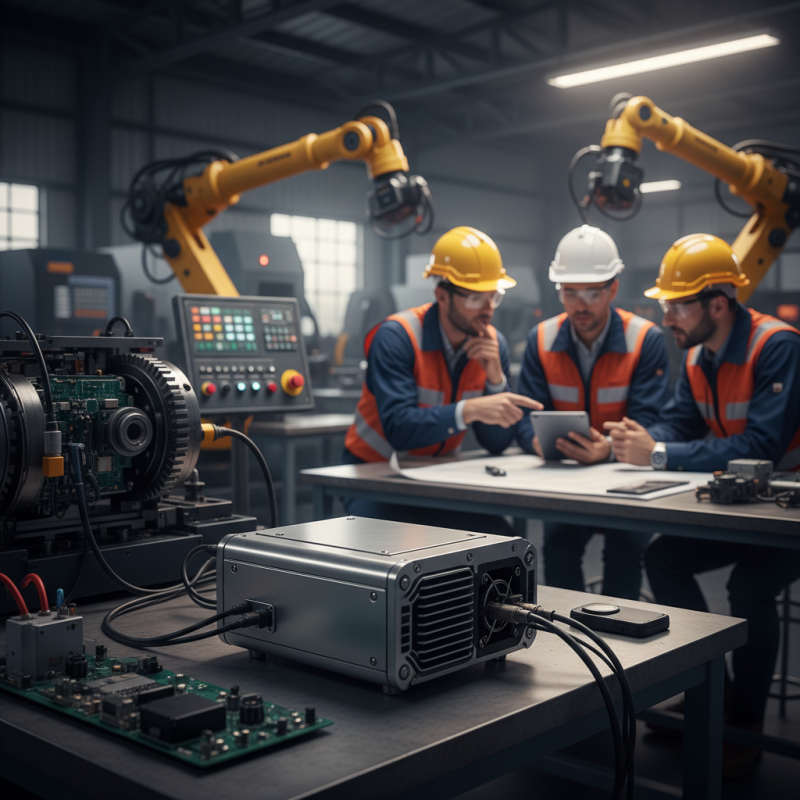
Industrial computers are essential for automation and process control in various industries. They come in several types, each tailored to specific applications. Rugged computers are built for harsh environments, while embedded systems integrate into machinery for specialized tasks. According to a report by MarketsandMarkets, the global industrial PC market is projected to grow from $3.58 billion in 2020 to $5.38 billion by 2025. This growth reflects the increasing demand for reliable computing solutions.
Fanless industrial PCs are becoming increasingly popular. Their design reduces maintenance needs and extends operational life. These systems are often used in applications requiring dust and vibration resistance. A study from IDC emphasizes how the rise of the Internet of Things (IoT) drives the need for efficient technology. However, choosing the right type can be challenging. Each application has unique requirements concerning processing power, connectivity, and durability.
The increasing complexity of industrial tasks requires careful evaluation. Not all computers suit every environment, and mismatches lead to failure. It's vital to consider factors like operating temperature and load capacity. A 2021 report from Gartner warned that companies might underestimate this, potentially resulting in costly downtime. Taking time to thoroughly assess these needs is crucial for an optimal selection.
Key Specifications to Consider When Selecting an Industrial Computer
When selecting an industrial computer, several key specifications matter. The processor plays a crucial role in performance. A powerful CPU can handle demanding applications. Look for multi-core options for better multitasking capabilities.
Memory is another vital aspect. Adequate RAM ensures smooth operation. Systems with at least 8GB are common, but more may be needed for heavy workloads.
Storage type and capacity are essential as well. Solid State Drives (SSDs) offer speed, while Hard Disk Drives (HDDs) provide larger capacities at a lower cost. Consider your data needs carefully.
Additionally, evaluate connectivity options like USB, serial ports, and Ethernet. These features determine how well your computer interacts with other devices.
Durability is non-negotiable. Industrial computers often operate in harsh environments. Choose models with rugged designs that meet specific protection ratings. Temperature tolerance and humidity resistance should be considered too.
It's important to reflect on how these factors align with your operational needs. Finding the right balance can be tricky, but it's essential for optimal performance.
Evaluating Performance Needs: CPU, Memory, and Storage Requirements
When evaluating the performance needs of an industrial computer, start by examining the CPU. A powerful processor ensures smooth operation and quick processing times. Consider the tasks the computer will handle. For intensive tasks like data analysis or machine learning, opt for a multi-core CPU. For simpler tasks, a dual-core processor might suffice. It’s important to align the CPU choice with your specific applications.
Next, memory plays a crucial role in performance. Industrial computers should have adequate RAM to manage multiple processes concurrently. Depending on your workload, anywhere from 8GB to 32GB may be required. Insufficient memory can lead to slowdowns. It’s worth reflecting on your usage patterns. Are you frequently multitasking? If so, investing in higher RAM could enhance your efficiency.
Lastly, storage should not be overlooked. A solid-state drive (SSD) offers faster data access compared to traditional hard drives. However, they can be more expensive per gigabyte. Analyze the amount of data your applications will generate. Balance your budget with your storage needs. Sometimes, the best choices come from reflecting on what has or hasn't worked in previous setups. Evaluate what truly aligns with your operational requirements.
Environmental Considerations: IP Ratings and Operating Temperatures
When selecting an industrial computer, one must consider environmental factors, particularly IP ratings and operating temperatures. The Ingress Protection (IP) rating indicates how well a device can withstand dust and moisture. An IP65 rating, for example, means the computer is dust-tight and can endure low-pressure water jets. According to a 2022 study from Industry Weekly, over 40% of system failures in manufacturing environments stem from inadequate protection against environmental hazards.
Operating temperatures further impact the reliability of industrial computers. Many standard computers function optimally between 0°C and 50°C. In contrast, industrial models can tolerate extreme temperatures, often ranging from -40°C to 85°C. A report by TechInsights highlights that operating outside the optimal range can reduce device lifespan by up to 50%. Furthermore, factors like humidity can also play a significant role. High humidity levels, even within acceptable temperature ranges, can lead to condensation and subsequent equipment failure.
It’s essential to reflect on both IP ratings and operating temperatures when choosing an industrial computer. A mismatch in environmental specifications could lead to costly downtime. The need for a balance between performance and durability cannot be overstated. Each industry has unique environmental challenges. Identifying the right specifications safeguards investments and enhances operational continuity.
Budgeting for Your Industrial Computer: Cost vs. Performance Analysis
When selecting an industrial computer, budgeting plays a crucial role. The cost-performance ratio significantly impacts operational efficiency. According to a report by MarketsandMarkets, the global industrial computer market is predicted to reach over $7 billion by 2025. This demonstrates a growing reliance on effective industrial computers to enhance productivity.
Balancing cost against performance can be challenging. Nearly 40% of companies face difficulties in justifying hardware expenses against performance gains. For some, lower upfront costs may translate to higher long-term expenses due to maintenance and inefficiency. Industrial computers built with quality components often perform better under stress, translating to fewer failures and downtimes.
Choosing the right features is another consideration. Basic models might cost less initially but may lack the necessary performance under demanding workloads. On the other hand, high-spec units often exceed immediate needs, wasting resources. A survey indicated that 55% of users felt their last purchase was misaligned with actual requirements. Consistent evaluation of performance needs against budget constraints is necessary to make informed choices.
Cost vs. Performance Analysis of Industrial Computers