How to Choose the Best Casement Door for Your Home?
When considering the ideal Casement Door for your home, it's essential to reflect on both functionality and aesthetics. According to Jane Smith, a renowned expert in the home design industry, "The right Casement Door can transform your space and enhance your lifestyle." This statement highlights the significant impact that a well-chosen door can have.
A Casement Door offers not only beauty but also practical advantages. These doors swing open wide, allowing for excellent ventilation and natural light. They can fit various home styles, from contemporary to traditional. Nevertheless, choosing the right one is not always straightforward. Factors like material, insulation, and design should be carefully examined.
Some homeowners might be tempted to prioritize style over efficiency, which can lead to regrettable choices. Remember, the best Casement Door balances both appearance and performance. When making your decision, reflect on your home's needs and your personal taste. In the end, this choice affects energy efficiency and overall comfort.
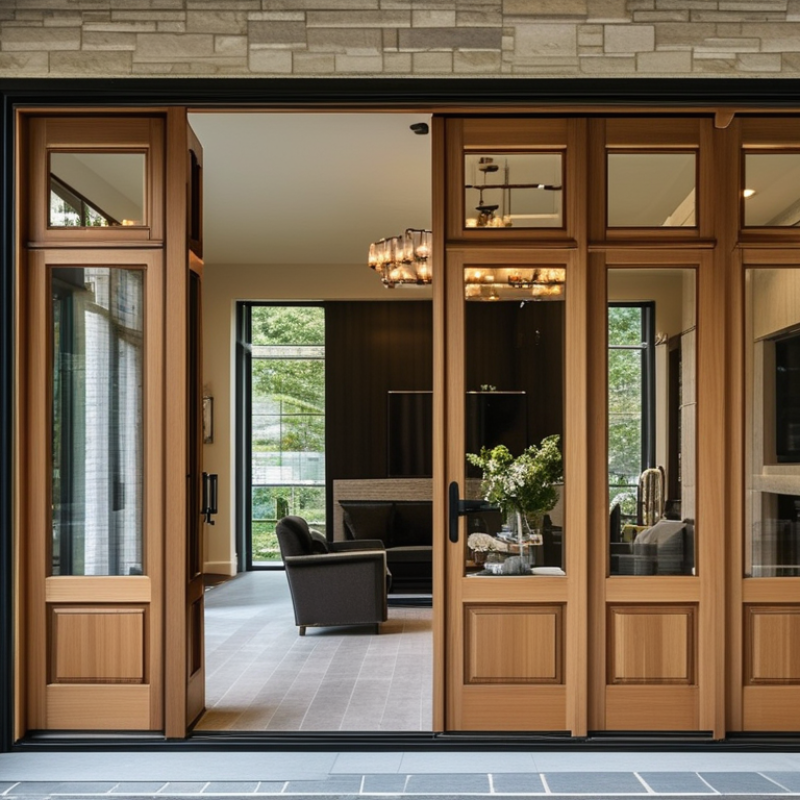
Understanding Casement Doors: Definition and Advantages
Casement doors are a popular choice for many homes. They are hinged on one side, allowing them to swing open outward. This design maximizes natural light and offers a wide opening. Homeowners appreciate the ventilation these doors provide. When opened, they can capture breezes efficiently. This is ideal for warm climates or areas with limited airflow.
Understanding the benefits of casement doors helps in the selection process. They are often more energy-efficient compared to Sliding Doors. Their tight seal reduces drafts, lowering energy bills. Homeowners often find their locking mechanisms to be more secure, adding an extra layer of safety. However, they do require adequate space to swing open, which some might overlook.
Style options vary significantly. From modern to traditional, there is a design for everyone. Some may find the selection overwhelming. Choosing the right material, such as wood or fiberglass, is essential. Each option has its own maintenance needs and aesthetic appeal. Reflect on how the door will fit with your home’s overall style. This consideration is often more complex than it seems.
Key Materials for Casement Doors: Wood, Vinyl, and Aluminum
Casement doors are a popular choice for homeowners seeking efficiency and style. When selecting the right material, consider wood, vinyl, and aluminum. Each option offers unique benefits and drawbacks.
Wooden casement doors provide warmth and classic appeal. They can fit seamlessly into traditional homes. However, they require regular maintenance to prevent rot and warping. In fact, a study by the National Association of Home Builders found that wooden doors may need refinishing every three to five years.
Vinyl doors are known for their durability and low maintenance needs. They resist fading, peeling, and cracking, making them suitable for various climates. According to industry reports, vinyl doors can last over 30 years if properly installed. Nevertheless, they may lack the aesthetic appeal of wood, which can impact resale value.
Aluminum doors are lightweight and highly resistant to corrosion. They provide a modern look and are energy efficient. However, some reports highlight that aluminum can conduct heat, resulting in decreased insulation. Homeowners should weigh these factors carefully when making their choice.
Energy Efficiency Ratings: Selecting the Right Casement Door
When selecting a casement door, energy efficiency is crucial. Look for doors with a high Energy Star rating. According to the U.S. Department of Energy, energy-efficient doors can save homeowners up to 30% on energy bills. This makes them a wise investment for your home. The materials used in casement doors also affect energy efficiency. Opt for options with low U-values and solar heat gain coefficients (SHGC) for maximum performance.
Consider the insulation factor of your door. Double or triple-pane glazing enhances efficiency significantly. This type of glazing reduces heat transfer, keeping your home warm in winter and cool in summer. Keep in mind that aesthetics matter too. A well-designed door can enhance curb appeal while maintaining functionality.
**Tip:** Always check the label for energy performance. Look for certifications from trusted organizations. They provide assurance about efficiency.
**Tip:** Reflect on your local climate. Choose doors suited to heating or cooling needs in your area. A misstep here can lead to higher costs.
The initial investment in an energy-efficient casement door might seem high. However, the long-term savings often outweigh this. It’s essential to balance cost with performance for a decision that benefits your home.
Energy Efficiency Ratings of Casement Doors
Security Features to Consider When Choosing Casement Doors
When selecting a casement door, security should be a top priority. Recent studies show that over 30% of residential break-ins occur through doors. This highlights the need for robust security features. Look for doors equipped with multi-point locking systems. These systems secure the door at multiple points, making unauthorized entry much harder.
Consider reinforced glass options as well. Impact-resistant glass can withstand considerable force and deter potential intruders. Additionally, ensure that the door frame is made from durable materials. Steel or solid wood tends to provide better security than hollow-core alternatives. Many experts suggest using added security measures, like door sensors or security cameras, for comprehensive protection.
Finally, it's wise to invest in smart technology. Digital locks provide an innovative approach to home security. They can send alerts to your phone when someone is at the door. However, it's essential to be cautious with technology. A significant number of smart locks can be vulnerable if not updated regularly. Security requires a balanced approach between physical and digital measures. This ensures that your home remains tranquil and protected.
Styles and Designs: Matching Casement Doors to Your Home Aesthetic
When selecting a casement door, consider its style and design to harmonize with your home's aesthetic. According to industry reports, nearly 70% of homeowners prioritize aesthetics when choosing exterior doors. Modern casement doors offer clean lines and minimalistic designs, enhancing contemporary homes. They can also be customized with various materials, such as wood, fiberglass, or aluminum, catering to different architectural styles.
Additionally, traditional casement doors often feature ornate moldings and rich wood grains. This choice aligns beautifully with classic and rustic homes. Data shows that these styles also yield a 20% higher return on investment during home renovations. Think about your local environment and how different elements may influence your choice. A door that complements your climate and landscape can maintain its functional appeal.
However, it is crucial to assess how each door fits into your overall vision. Some styles may not offer the best energy efficiency or durability. Reflection on your lifestyle is important. Choosing a door goes beyond looks; think about practicality and performance in your specific setting. Evaluate your options wisely.