How to Choose the Right Water Pipe Fittings for Your Needs?
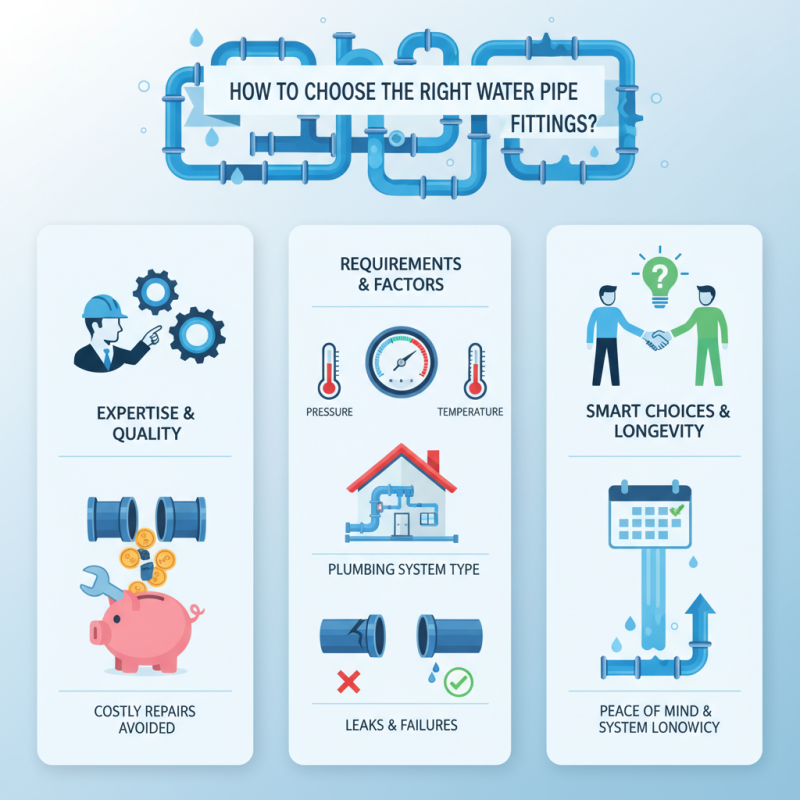
When it comes to selecting water pipe fittings, expertise is crucial. John Smith, a renowned plumbing engineer, states, "The right fittings ensure efficiency and longevity in any plumbing system." Choosing the right water pipe fittings can feel overwhelming. There are various types and materials available on the market. Each fitting serves a unique purpose and is designed for specific applications.
Understanding the right requirements is essential. Factors such as pressure, temperature, and the type of plumbing system must be considered. Failing to address these details can lead to leaks or system failures. It’s common to see people choose fittings based on price, ignoring quality. This approach often results in problems later.
Quality water pipe fittings can prevent costly repairs. Consulting with industry experts can add valuable insights. Instead of guessing, get professional advice to make informed decisions. Mistakes in this area can damage not just the system but also your budget. Prioritizing the right choices today can ensure peace of mind tomorrow.
Understanding Different Types of Water Pipe Fittings Available on the Market
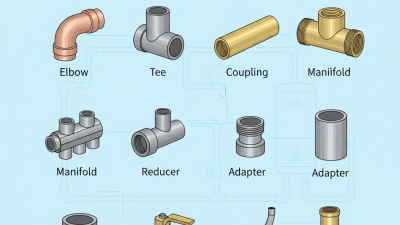
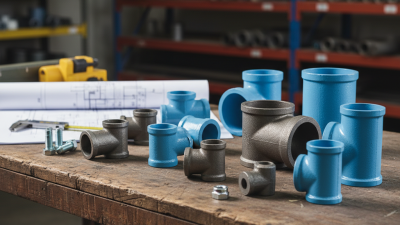
Choosing the right water pipe fittings can be a daunting task. There are several types available, and each serves a different purpose. Common fittings include elbows, tees, couplings, and adapters. Each type connects pipes at various angles or sections. Understanding their specific use is crucial for a successful plumbing project.
Elbows allow pipes to change direction, which is essential in tight spaces. Tees, on the other hand, connect three pipes, creating a branch in your plumbing system. Couplings are straightforward—they join two pipes together. Adapters help connect two different types of pipes. It’s important to assess your specific needs before selecting.
Consider the material of the fittings too. Common options are PVC, copper, and brass. Each material has its strengths and weaknesses. PVC is lightweight and easy to install, but may not handle high temperatures as well. Copper is durable and long-lasting but can be costlier. Weighing these factors can save time and money. Reflecting on your project requirements helps clarify the best choices.
Assessing Your Project Needs: Size, Material, and Pressure Considerations
Choosing the right water pipe fittings requires careful consideration of your project needs. Size is a critical factor. Selecting the correct diameter ensures optimal flow and prevents blockages. Measure existing pipes accurately. Use a caliper for precision. Don't overlook the importance of fitting length, especially in tight spaces.
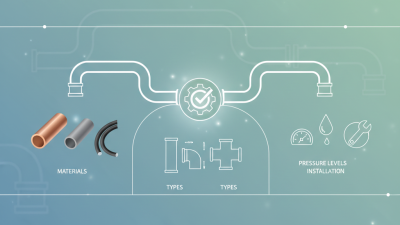
Material choice is essential as well. Different materials serve various purposes. For example, PVC is lightweight but may not withstand high temperatures. Copper offers durability and excellent heat resistance. Evaluate the environment where the fittings will be used, too. Corrosion can weaken certain materials over time. Always think about how long the fittings need to last.
Pressure considerations are often underestimated. Each fitting has a pressure rating. Exceeding this rating can lead to leaks or even bursts. Know the water pressure your system functions under. Testing pressure levels beforehand can save you from trouble later. If unsure about the right specifications, consult experts or credible resources. It's better to ask for guidance than to face costly repairs.
Evaluating the Compatibility of Fittings with Existing Plumbing Systems
When evaluating the compatibility of water pipe fittings with your existing plumbing system, it’s crucial to consider a few key factors. Each plumbing system is unique, made up of various materials such as PVC, copper, or PEX. According to the American Society of Plumbing Engineers, nearly 75% of plumbing failures stem from improper fitting choices. The right compatibility can prevent leaks and system failures, saving homeowners costly repairs.
Material compatibility is essential. Ensure that the fittings you choose match the existing pipes in size and material. For instance, transitioning from copper to PVC requires specific transition fittings. Thermal expansion and contraction can also affect how fittings work together. Choosing the wrong material can lead to joint failure over time.
**Tips:** Always consult with a plumbing professional. They can provide insights specific to your situation. Measure your existing pipes beforehand. Doing so helps avoid mismatched fittings. Lastly, while online resource guides are helpful, they cannot replace expert advice tailored to your plumbing system. Reflect on previous fittings and evaluate what went wrong in those cases. This will guide informed decision-making for future projects.
Key Factors to Consider When Selecting Quality Water Pipe Fittings
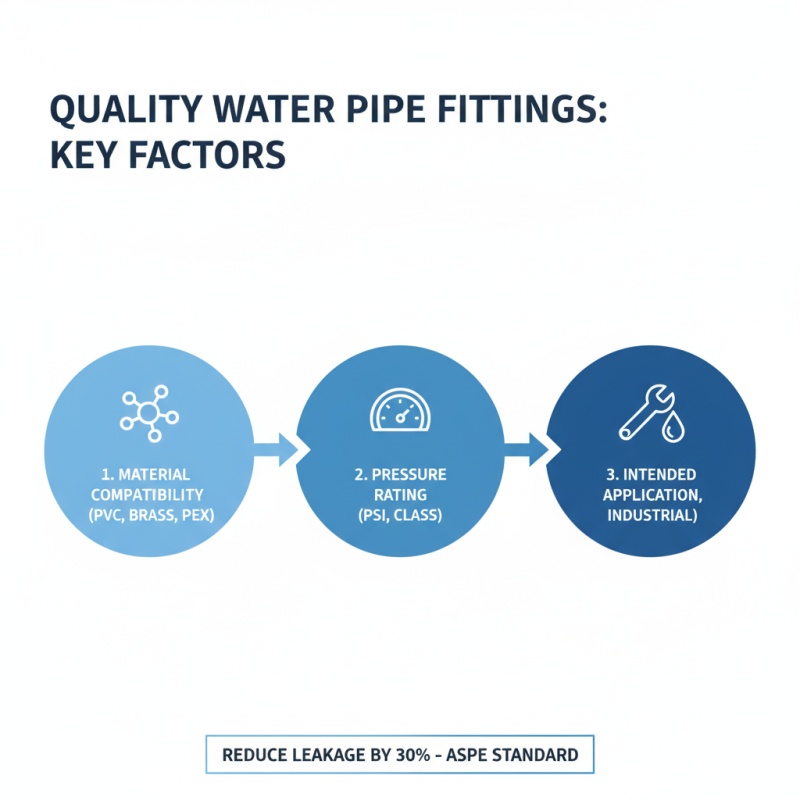
Choosing the right water pipe fittings is crucial for ensuring system reliability and efficiency. Key factors include material compatibility, pressure ratings, and intended application. According to the American Society of Plumbing Engineers, choosing the correct material can reduce leakage by up to 30%. For example, PVC, polyethylene, and brass are common choices. Each has distinct characteristics that meet specific needs.
When selecting water pipe fittings, consider the pressure requirements of your system. Pressure ratings vary widely among different fittings. The right fitting should withstand the maximum pressure without failure. A report from the Plumbing-Heating-Cooling Contractors Association states that improper fittings result in 40% of plumbing issues, reinforcing the importance of making informed choices.
Another aspect to consider is installation ease. Some fittings are designed for quick assembly, while others may require specialized tools. A fitting that complicates installation can lead to costly delays. Moreover, regular maintenance helps in identifying any potential issues early on. It's essential to reflect on past experiences and always verify the specifications before making a purchase. This attention to detail can make a significant difference in long-term performance.
Common Mistakes to Avoid When Choosing Water Pipe Fittings for Your Project
When selecting water pipe fittings, many make critical mistakes that can affect project outcomes. A recent industry report indicates that over 30% of plumbing failures are due to improper fitting choices. One common error is neglecting material compatibility. For instance, copper fittings should not be used with PVC pipes without proper adapters. This could lead to leaks or even pipe bursts.
Another pitfall is size mismatches. Using incorrectly sized fittings can cause pressure issues. According to the National Plumbing Association, wrong sizes can reduce flow efficiency by up to 15%. Always double-check measurements before purchasing fittings.
Tips: Always consult industry standards. These recommend using fittings that are tested and certified for your specific application. Take your time to research materials and sizes. Each project may have unique requirements that impact the choice of fittings. Avoid rushing the decision-making process, as this can lead to costly repairs later. Aim for accuracy to ensure reliability in your plumbing systems.