How to Choose the Right Water Fittings for Your Home?
Choosing the right water fittings is essential for any home. Water fittings not only determine the efficiency of your plumbing system but also impact your daily comfort. Selecting the correct types and styles can make a big difference in your household experience.
When it comes to water fittings, you may feel overwhelmed by options. There are various types, from faucets to connectors, each serving a unique purpose. The design and material of these fittings also matter. A poorly chosen fitting can lead to leaks or other issues, which can be costly.
Consider factors like durability and ease of installation. Sometimes, a simple fitting might not serve your long-term needs. You should evaluate your home's specific requirements too. Reflecting on your current plumbing system can guide you in making a better decision. The right choices lead to a more functional living space, while the wrong ones may force you to rethink your selections later on.
Understanding Different Types of Water Fittings Available for Homes
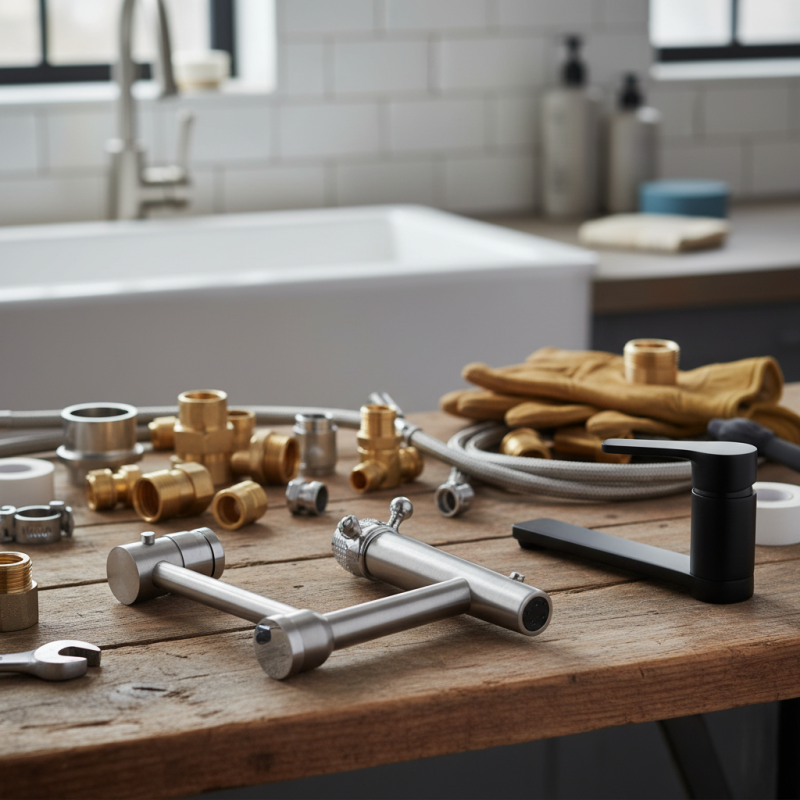
Choosing the right water fittings for your home is crucial. There are various types available, each with unique purposes. For instance, faucets come in different styles. Kitchen faucets often have a pull-down sprayer. This feature helps with washing dishes more easily. In contrast, bathroom faucets focus on design and efficiency. Selecting the right one can impact your daily routine.
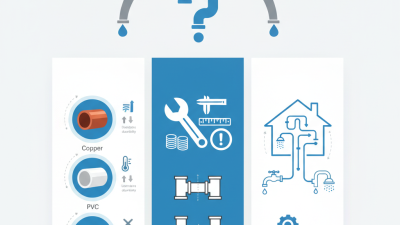
Another important type is pipes. Materials vary, including PVC, copper, and PEX. PVC is lightweight and easy to install. However, it may not be suitable for hot water applications. Copper is durable but can be expensive. PEX is flexible and resistant to scale and chlorine. Each option has pros and cons. Consider your home’s specific needs carefully.
Don’t overlook valves and connectors. These small fittings play a vital role. They control water flow and connect different systems. Choosing the wrong valve can lead to issues. It might be tempting to go for cheaper options, but this can lead to leaks or maintenance headaches later on. Reflecting on your choices will lead to better decisions for your home.
Evaluating Material Options: Pros and Cons of Common Water Fitting Materials
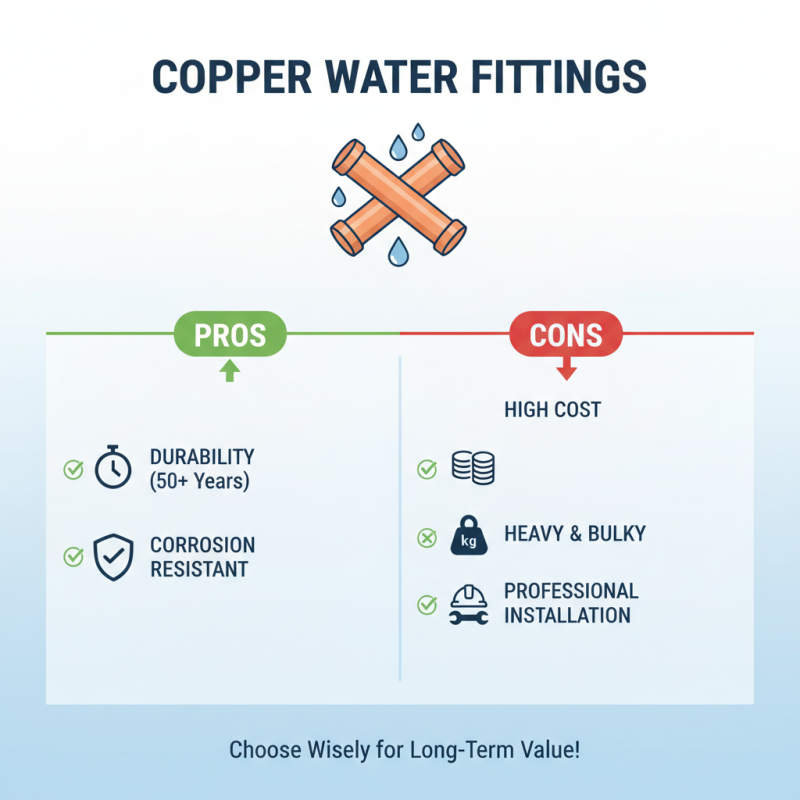
When selecting water fittings, the choice of materials is crucial. Copper is a common choice, known for its durability and resistance to corrosion. Studies show that copper pipes can last over 50 years when installed correctly. However, the high cost and the need for professional installation are critical downsides. They can be much heavier and require specific tools for installation.
PVC fittings are another option. They are light, affordable, and easy to install. And they do not corrode easily. Yet, heat can weaken PVC, leading to potential leaks in hot water applications. Some reports indicate that PVC can last up to 25 years, but this varies widely.
PEX is gaining popularity for its flexibility and ease of use. It can be snaked into tight spaces, cutting down on installation time. However, its sensitivity to UV light and potential chemical leaching raise concerns. Industry experts note that while it lasts around 30 years, improper installation can lead to significant issues. Each material has its unique traits, requiring careful consideration of your home's specific needs.
The Importance of Compatibility with Existing Plumbing Systems
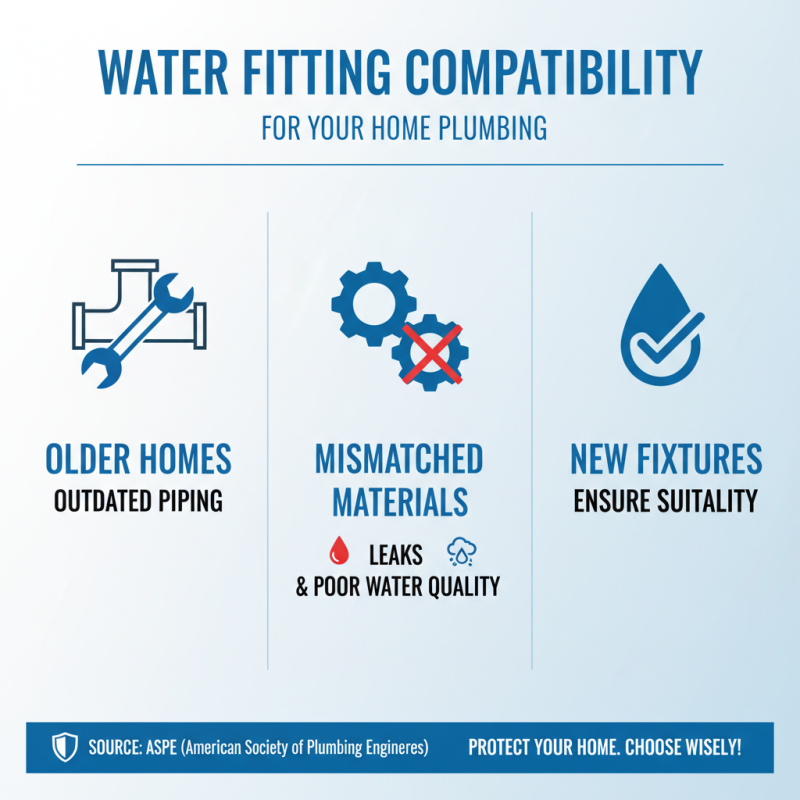
When selecting water fittings for your home, compatibility with existing plumbing is crucial. Older homes may have outdated piping, which can affect new installations. According to the American Society of Plumbing Engineers, mismatched materials can lead to leaks and decreased water quality. This underscores the importance of ensuring that new fixtures are suitable for your current system.
Tip: Always check the material of your existing pipes. Common materials include PVC, copper, and PEX. Each has unique compatibility traits. For example, copper fittings may not work well with PVC pipes. This mismatch can create a weak joint, leading to potential leaks.
Consider the dimensions too. Standard sizes may differ based on the age and type of plumbing. The National Plumbing Code states that improper sizing can diminish water pressure. Poor pressure can lead to inefficient water flow, creating frustrating daily experiences.
Tip: Measure your existing fittings before purchasing new ones. This step ensures a smoother installation process and helps you avoid costly mistakes. Remember, overlooking these details can result in frustration and additional expenses. Adjustments might be needed, and that can take time and effort.
How to Assess Flow Rates and Pressure Requirements for Your Needs
Assessing flow rates and pressure requirements is crucial when choosing water fittings for your home. According to industry data, typical residential water flow rates range from 3 to 5 gallons per minute (GPM). However, specific needs may vary depending on the number of fixtures used simultaneously. For instance, a shower may demand 2.5 GPM, while a bathroom sink generally requires around 1.5 GPM. Understanding these demands will guide you toward the right fittings.
Pressure also plays a vital role. Home water pressure often lies between 40 and 80 pounds per square inch (psi). Low pressure can hinder flow rates, impacting your shower experience or appliance performance. Many homes face issues with inconsistent pressure. Regularly checking this can help maintain an enjoyable water experience. Inadequate pressure can lead to slow-water filling and frustration.
DIY assessments can yield surprisingly variable results. A simple pressure gauge may provide insights, but it’s not infallible. Misreading data is common among homeowners unfamiliar with plumbing. If in doubt, consulting a professional could save time and potential headaches later. Ultimately, precise measurements ensure that your home remains comfortable and functional.
Water Flow Rates and Pressure Requirements for Common Household Fittings
Tips for Ensuring Quality and Reliability in Water Fittings Purchases
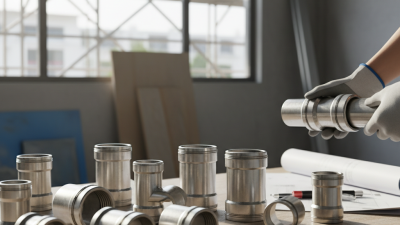
Choosing the right water fittings for your home can feel overwhelming. Quality and reliability are crucial. You should examine the materials carefully. Look for fittings made from durable materials like brass or stainless steel. These materials resist corrosion and enhance longevity. Plastic fittings might be cheaper, but they may not hold up well over time.
Inspect any product for certification marks. These marks indicate that the fittings meet industry standards. Don’t rush through this process. Take your time to read reviews or ask experts for guidance. You could save money in the long run by buying well-made products. Opt for fittings with warranties for extra peace of mind.
Lastly, consider your specific needs. For instance, if you're using fittings for outdoor plumbing, ensure they are designed for extreme weather conditions. Not all fittings will perform equally in different environments. Reflect on what matches your lifestyle and usage. Remember, the right choice today can prevent leaks and costly repairs tomorrow.
How to Choose the Right Water Fittings for Your Home?
| Dimension |
Material |
Type |
Usage |
Quality Rating |
| 1/2 inch |
Brass |
Ball Valve |
Indoor plumbing |
A |
| 3/4 inch |
PVC |
Elbow Fitting |
Outdoor irrigation |
B |
| 1 inch |
Copper |
Tee Fitting |
Hot water supply |
A+ |
| 1/2 inch |
Stainless Steel |
Nipple |
Industrial |
A |