2026 How to Choose the Right Pipe Fittings and Valves?
Choosing the right pipe fittings and valves is crucial in any plumbing or industrial application. Industry expert John Smith states, "The right choice of pipe fittings and valves can save time and money." His insights remind us of the critical need for informed decisions.
Pipe fittings and valves come in various types and materials. Each option affects performance and longevity. A wrong choice can lead to leaks or system failures. It's essential to consider the specific requirements of your project. Different projects have unique needs, making the selection process complex and sometimes overwhelming.
Understanding the factors involved is vital. Think about flow rates, pressure ratings, and compatibility with existing systems. Each detail matters in the long run. Don't overlook the potential for mistakes. An informed choice is the best approach to ensure reliability and cost-effectiveness in your plumbing system.
Understanding the Basics of Pipe Fittings and Valves
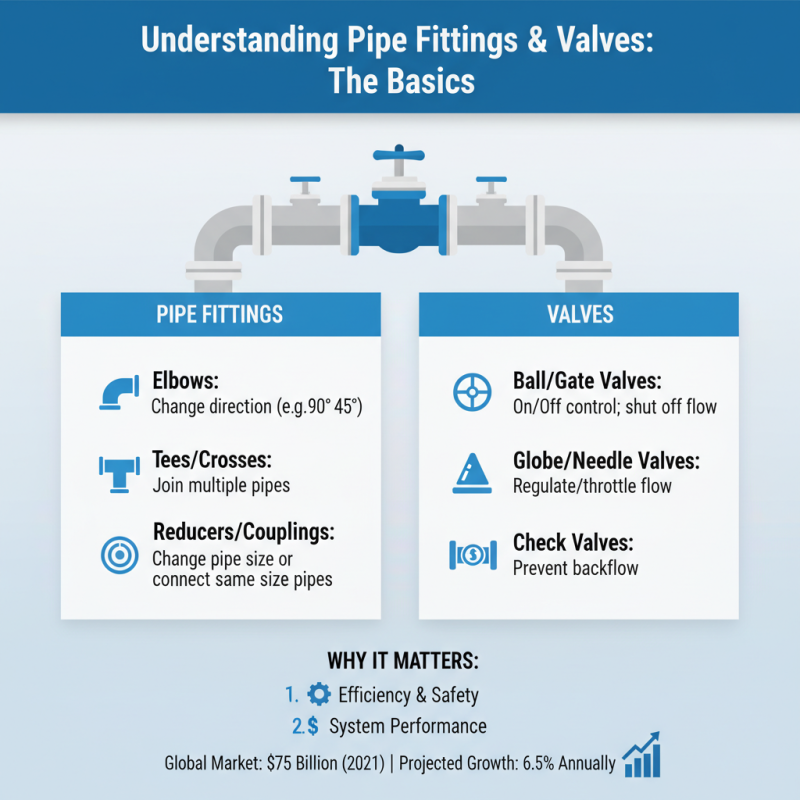
Choosing the right pipe fittings and valves is crucial for effective fluid management. Understanding the basic types and their applications can significantly impact performance and safety in various systems. According to industry reports, the global market for pipe fittings was valued at approximately $75 billion in 2021. This number is projected to grow by 6.5% annually, highlighting the increasing demand for reliable piping solutions.
When selecting fittings and valves, consider the material. Common choices include PVC, copper, and stainless steel. Each material has unique characteristics. For example, PVC is resistant to corrosion but may not handle high temperatures well. Stainless steel offers durability but can be more expensive. Making the right choice prevents costly repairs later.
Here’s a tip: always check the pressure ratings of fittings and valves. Using components that can’t handle system pressure can lead to failures. Balancing cost and quality is essential. Moreover, specifying the right size is crucial as well. A poorly sized fitting may result in leaks or reduced flow rates. Being meticulous in your selection process can save time and resources in the long run.
Types of Pipe Fittings and Their Applications
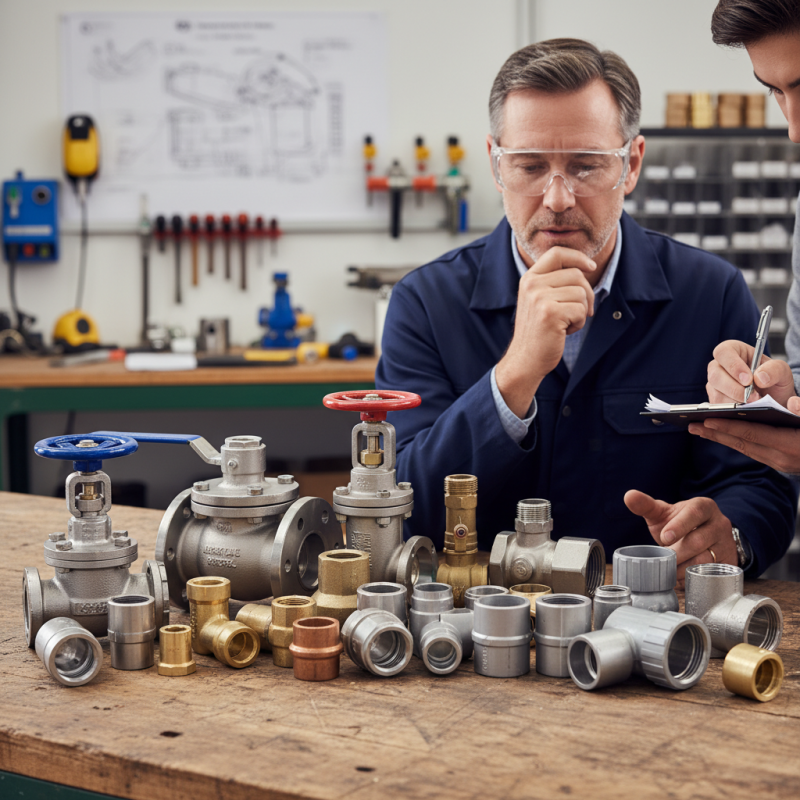
Choosing the right pipe fittings and valves is crucial for any plumbing project. Fittings connect pipes and allow for changes in direction or diameter. There are several types, each with specific applications. For instance, elbow fittings are essential for making 90-degree bends. Tee fittings are perfect for splitting a pipe into two directions. Couplings connect two pipes of the same size, maintaining the flow.
Valves control the flow of liquids or gases in a system. Gate valves are often used for isolation purposes. They provide a straightforward way to start or stop flow. Ball valves, on the other hand, offer quick shut-off. They're ideal for systems requiring frequent on-off operations. Each type serves a specific function, which can sometimes lead to confusion in selection.
Not every fitting or valve will work for every scenario. Sometimes, a fitting may not fit as expected, or a valve might wear out too quickly. It’s essential to consider the system's specific needs and the environment. Mistakes can be costly. Research and professional input are invaluable in making the right choice.
Key Factors to Consider When Selecting Pipe Fittings
Selecting the right pipe fittings and valves is crucial for any plumbing project. Many factors come into play during this process. Understanding material compatibility is essential. Different materials can affect flow rates, durability, and overall system integrity. For instance, using plastic fittings in high-temperature processes can lead to failure. Always check specifications.
Pressure ratings should be a key consideration as well. Not all fittings can handle high pressure or extreme temperatures. This mismatch can cause leaks or catastrophic failures. Testing these products under real conditions can highlight potential issues. Remember, sometimes theoretical data differs from practical experience.
Moreover, think about the installation process. Some fittings are easier to install than others. Complicated designs may lead to mistakes or additional costs. It’s important to evaluate your own skills and experience before making a choice. Never overlook the importance of local codes and regulations. They may dictate specific materials or fittings required for safety.
Evaluating Valve Types for Different Systems
When evaluating valve types for various systems, understanding their functionality is crucial. Different systems require specific valve characteristics to maintain efficiency and safety. For instance, the American National Standards Institute (ANSI) emphasizes that ball valves are ideal for high-pressure applications, while gate valves are often preferred for on/off service. This knowledge helps in selecting the right valve for your needs.
Tips: Always consider the system's pressure and temperature. Incorrect valves can lead to failures and costly repairs. Understanding flow characteristics is essential too. According to a recent industry report, over 30% of valve failures stem from improper selection.
Each valve type has its pros and cons. For instance, while globe valves provide precise flow control, they can restrict flow more than other types. Some might overlook this detail in high-flow systems, leading to inefficiencies. The Fluid Sealing Association notes that improperly evaluated valves cost the industry millions annually.
Tips: Regularly review your valve performance. Monitoring can prevent future issues. Don’t hesitate to adjust your choices as technology and standards evolve.
2026 How to Choose the Right Pipe Fittings and Valves? - Evaluating Valve Types for Different Systems
| Valve Type |
Application |
Material |
Pressure Rating |
Temperature Rating |
| Gate Valve |
On/Off Services |
Cast Iron |
150-300 PSI |
-20 to 300 °F |
| Globe Valve |
Flow Regulation |
Stainless Steel |
150-600 PSI |
-20 to 400 °F |
| Ball Valve |
Quick On/Off |
Brass |
150-600 PSI |
-20 to 250 °F |
| Check Valve |
Prevent Backflow |
PVC |
100-300 PSI |
-20 to 140 °F |
| Butterfly Valve |
Flow Control |
Aluminum |
150-400 PSI |
-20 to 350 °F |
Best Practices for Installing Pipe Fittings and Valves
When installing pipe fittings and valves, attention to detail is crucial. Start by ensuring that all components are clean and free from debris. A little dirt can cause leaks later. Use proper tools to avoid damaging the fittings. If you're unsure about your technique, seeking advice from an experienced professional can be beneficial.
Always inspect the threads on fittings and valves. Frayed or damaged threads can lead to weak connections. Use thread sealant sparingly to ensure a tight seal, but don't overapply. Too much sealant may cause blockages. Pay attention to the alignment of the pipes. Misalignment can stress joints, leading to failures.
Test the installation under pressure once completed. Watch for leaks and listen for hissing sounds. Delaying this step can lead to larger issues down the line. Document your installation process and take notes on what worked and what didn't. Reflecting on the challenges faced can improve future projects. Always be willing to learn and adapt for better outcomes.
2026 Pipe Fittings and Valves Usage Statistics