How to Choose Metric Tapered Roller Bearings for Your Needs?
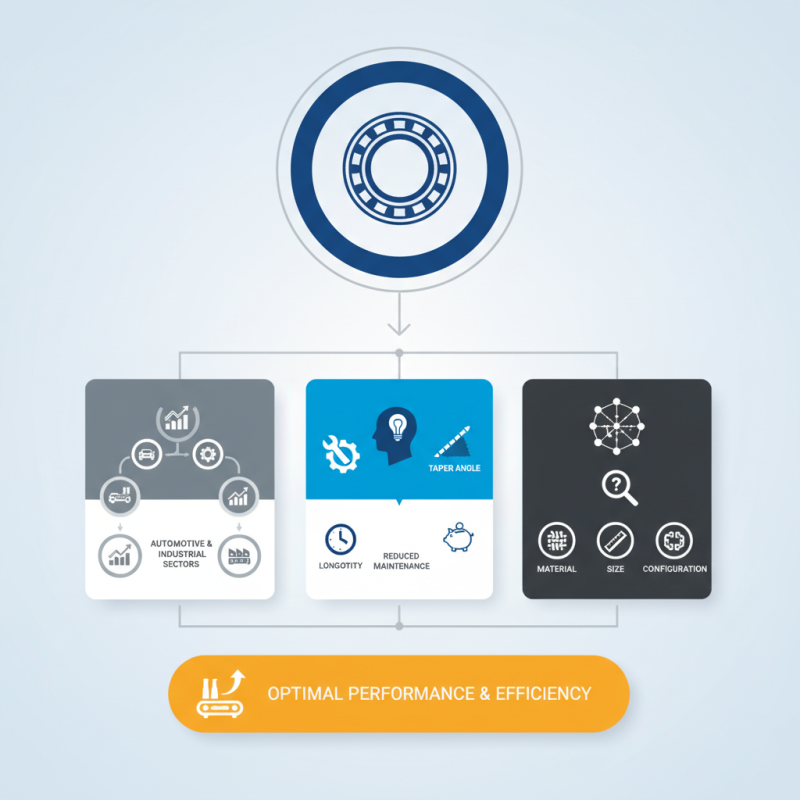
Choosing the right Metric Tapered Roller Bearings is vital for machinery efficiency. According to a recent industry report by the Bearing Manufacturers Association, the demand for these bearings is projected to grow by 7% annually through 2025. This growth is fueled by their applications in automotive and industrial sectors, where reliability is non-negotiable.
Expert John Smith, a leading figure in bearing technology, states, "Selecting the right Metric Tapered Roller Bearings can make or break equipment performance." This insight highlights the importance of understanding specifications and load capacities. For instance, the angle of the taper affects load distribution. Proper selection can enhance longevity and reduce maintenance costs.
While many manufacturers offer a range of options, it is challenging to find the perfect fit. Often, engineers face dilemmas regarding material, size, and configuration. This necessitates a careful evaluation of operational conditions and load requirements. The process might seem tedious, but a well-informed decision yields significant operational advantages.
Understanding Metric Tapered Roller Bearings and Their Applications
Metric tapered roller bearings are vital components in various industries. Their unique design allows them to withstand both radial and axial loads. This makes them suitable for applications like automotive, aerospace, and construction machinery. According to a recent industry report by Global Market Insights, the tapered roller bearing market is expected to reach over $20 billion by 2027 due to increasing demand in these sectors.
Choosing the right bearing is crucial. Pay attention to load ratings and material quality. Tapered roller bearings are often made of high-carbon chromium steel. This material enhances durability and resistance to wear. Additionally, consider the operating environment. Bearings exposed to high temperatures or corrosive substances may require specialized materials.
Tips: Always review the manufacturer's specifications. Ensure compatibility with your machinery. When in doubt, consult an expert. Seeking guidance can prevent costly mistakes down the line. Selecting a bearing with the right tolerances is key for optimal performance. A poorly chosen bearing can lead to premature failure, affecting productivity and safety.
Key Factors to Consider When Selecting Tapered Roller Bearings
Selecting the right metric tapered roller bearings requires a thoughtful approach. When considering your needs, start with load capacity. Evaluate both radial and axial loads your application will experience. The bearing must handle these loads efficiently to ensure reliable performance.
Another crucial factor is the operating environment. Temperature, moisture, and dust can affect bearing performance. Ensure the selected bearings are suitable for these conditions. Sometimes, bearings may be exposed to extreme environments. This can lead to premature failure if not properly assessed.
Lastly, pay attention to the size and fit of the bearings. Precision in dimensions is key. An ill-fitting bearing can cause vibration, noise, and ultimately failure. Sometimes, it might not be clear what size you need. Take the time to measure accurately. A thorough understanding of these factors leads to better choices.
How to Choose Metric Tapered Roller Bearings for Your Needs? - Key Factors to Consider When Selecting Tapered Roller Bearings
| Factor | Description | Considerations |
| Load Capacity | The maximum load a bearing can support. | Determine your application’s load requirements. |
| Size and Configuration | Dimensions and geometry of the bearing. | Ensure compatibility with existing equipment. |
| Material | What the bearing is made from, affecting strength and wear. | Choose based on environmental exposure and durability needs. |
| Precision Class | The accuracy of the manufacturer's dimensions. | Higher precision can mean better performance in dynamic applications. |
| Sealing Type | How the bearing is protected from contaminants. | Consider your environment—dusty, wet, or clean? |
| Operating Temperature | The temperature range where the bearing can function. | Check if the bearing can withstand the thermal conditions of your application. |
| Lubrication | The method and type of lubrication used. | Choose between grease or oil based on application needs. |
Importance of Load Ratings in Bearing Selection
When selecting metric tapered roller bearings, understanding load ratings is crucial. Load ratings indicate the bearing's capacity to support axial and radial forces. The basic dynamic load rating (C) represents the maximum load a bearing can endure while providing a defined lifespan. For instance, a bearing rated at 20,000 N can bear substantial stress at moderate speeds.
In industry applications, load ratings guide engineers in choosing the right bearings. Factors such as the type of machinery and operational conditions can affect load requirements. According to the International Organization for Standardization (ISO), improperly selected load ratings can lead to premature failure, impacting machinery productivity. A report from the Bearings Manufacturers Association shows that nearly 40% of bearing failures stem from inadequate load ratings.
Additionally, calculating the equivalent dynamic load (P) is essential for accurate selection. This value helps determine how the bearing will perform under specific operating conditions. Engineers often overlook this step, leading to mismatches between load ratings and actual conditions. One study suggests that up to 25% of machinery breakdowns occur due to such oversights. Hence, a diligent approach to evaluating load ratings can significantly enhance machinery reliability and efficiency.
Evaluating Compatibility: Shaft and Housing Specifications
Choosing the right metric tapered roller bearings involves careful consideration of shaft and housing specifications. A well-matched bearing ensures optimal performance and longevity. Begin by examining the shaft diameter and length. Precision is crucial here. Even slight discrepancies can lead to increased wear and premature failure.
Next, assess the housing dimensions. It should fit snugly around the bearing. Gaps or tight spots can cause misalignment and limit bearing efficiency. Take into account the working environment as well. Vibration, temperature, and contamination levels can impact bearing performance. If conditions are harsh, select bearings with enhanced sealing and lubrication options.
Bear in mind that not all metrics are created equal. Manufacturing tolerances vary. Small differences might appear insignificant but can have notable effects on functionality. Conduct thorough checks on all specifications. When in doubt, consulting with a knowledgeable professional can help clarify your needs and guide you to a reliable solution. This step may save you time and cost in the long run.
Maintenance Tips for Tapered Roller Bearings to Ensure Longevity
Regular maintenance of tapered roller bearings is essential for optimal performance. According to industry reports, improper maintenance can reduce bearing life by up to 50%. Keeping a close eye on lubrication is vital. Use high-quality grease that meets the specific requirements of your bearings. Ensure that the lubrication interval aligns with the manufacturer's guidelines. Over-lubrication can lead to increased temperature and reduced performance.
Monitoring operating temperatures and vibrations is also important. Excessive heat can shorten bearing life significantly. Implement routine checks and use condition monitoring tools. Establishing a baseline allows for better detection of anomalies. A study by the American Bearing Manufacturers Association states that 70% of bearing failures are due to inadequate maintenance. It emphasizes the need for proactive measures.
Pay attention to contamination. Dirt and moisture can severely impact bearing function. Regularly inspect seals and shields to ensure they are intact. Consider the environment where the bearings operate. Harsher conditions may require more frequent maintenance. Always document maintenance activities. This practice builds a reliable history. Understanding past issues can guide future preventative measures.
How to Choose Metric Tapered Roller Bearings for Your Needs?