How to Choose the Right Brake Caliper Guide Pin for Your Vehicle?
Choosing the right Brake Caliper Guide Pin for your vehicle can greatly impact your braking performance. As John Smith, a leading expert in automotive braking systems, once said, “Selecting the right components is crucial for safety and efficiency.” This highlights the importance of proper selection.
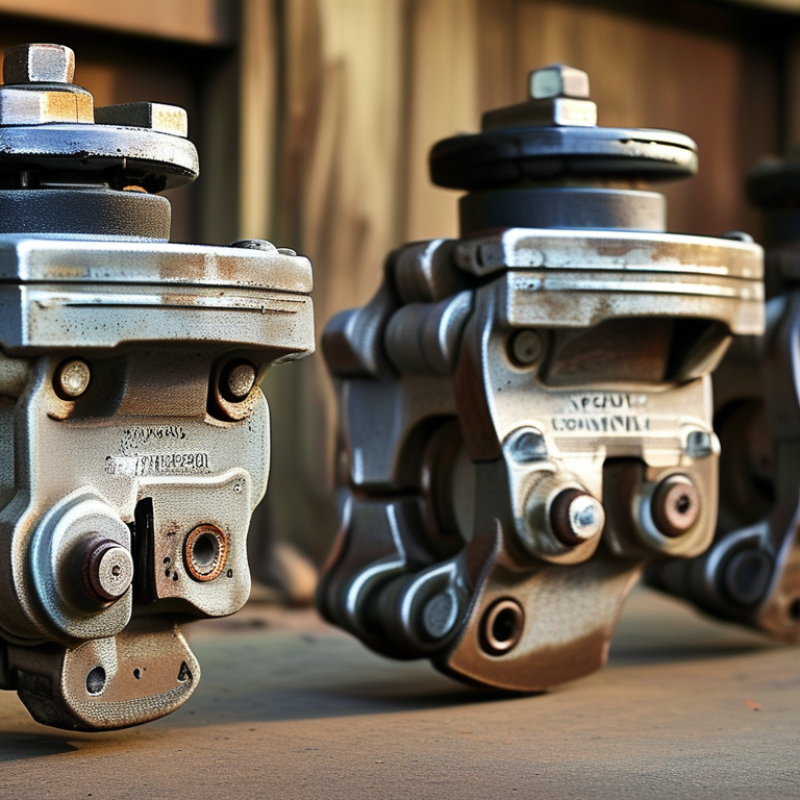
Brake Caliper Guide Pins play a vital role in ensuring the smooth operation of your brakes. They help secure the calipers and allow them to move freely. Without the right guide pin, you could face uneven wear or even brake failure. Think about the potential consequences of a wrong choice.
When examining options, consider the material, length, and fit. High-quality materials can prevent premature wear. Equally important is compatibility with your vehicle model. Always reflect on your choices. A small mistake can lead to larger issues down the road.
Understanding the Function of Brake Caliper Guide Pins
Brake caliper guide pins are crucial for proper brake function. They allow the caliper to move smoothly, ensuring even pressure on the brake pads. If these pins are worn or damaged, it can lead to uneven wear and decreased braking performance. Understanding their role helps you choose the right guide pins for your vehicle.
When selecting guide pins, consider material quality and compatibility. Look for pins made from durable materials that resist corrosion and wear. This is vital for ensuring a longer lifespan and reliable performance. Don’t overlook the importance of proper lubrication. Well-lubricated guide pins support smooth movement, enhancing brake efficiency.
**Tips:** Regularly inspect your brake components. This includes checking the condition of the guide pins. It’s a simple process that can save you from more significant issues. If you notice any signs of abnormal wear, take action promptly. Seeking professional advice can also help in making informed decisions about replacements and maintenance. Adjustments may be necessary to ensure optimal function.
How to Choose the Right Brake Caliper Guide Pin for Your Vehicle?
| Dimension | Material | Compatibility | Weight (grams) | Price (USD) |
| Standard | Steel | Most Domestic Cars | 50 | 10.00 |
| Extended | Aluminum | Sport Vehicles | 45 | 15.00 |
| Heavy Duty | Composite | Trucks and SUVs | 70 | 12.00 |
| Short | Stainless Steel | Compact Cars | 40 | 8.00 |
Identifying the Correct Specifications for Your Vehicle
When selecting the right brake caliper guide pin for your vehicle, accurate specifications are crucial. Each vehicle model has distinct requirements, impacting performance and safety. A mismatch in pin size can lead to uneven brake wear, which reduces braking efficiency. According to a report by the Brake Manufacturers Council, improper brake components account for nearly 15% of brake system failures.
To identify the correct specifications, refer to your vehicle’s manual. This document contains essential details about pin length, diameter, and material. Additionally, consider the brake caliper design, as it influences the type of guide pin needed. Compatibility affects not only performance but also overall safety on the road. A detailed study from the National Highway Traffic Safety Administration highlighted that inadequate brake maintenance results in thousands of accidents per year.
Keep in mind, even minor deviations in specifications can create significant issues. Some vehicles may have alternative parts that seem compatible but are not. Doing thorough research is vital. Inadequate attention to detail in this area might lead to frequent replacements and additional costs. Relying on precise data and expert advice can make all the difference.
Brake Caliper Guide Pin Specifications
Evaluating Materials and Durability of Guide Pins
When selecting brake caliper guide pins, evaluating their materials is critical. High-quality pins typically use stainless steel or carbon steel. These materials resist corrosion, enhancing longevity. Industry research shows that stainless steel components last up to 40% longer than lesser alternatives. This durability is crucial in harsh environments, where exposure to moisture and road salt is frequent.
Moreover, the thickness of the coating on guide pins can significantly impact their performance. A thicker coating provides added protection against wear and rust. Studies indicate that a coating of at least 0.5 mm can prevent premature failure under high-stress conditions. However, too thick of a coating can hinder proper fit, leading to installation difficulties. Balancing durability with fitment is essential.
It's worth noting that not all guide pins come with reliable warranties or performance guarantees. Only a fraction of products on the market undergo rigorous testing. Selecting pins that have been verified by independent testing labs ensures they meet industry standards. Always look for performance data and certifications, as this information reflects a pin's trustworthiness and capability.
Comparing OEM and Aftermarket Brake Caliper Guide Pins
Choosing between OEM and aftermarket brake caliper guide pins can be challenging. OEM pins are designed specifically for each vehicle model. They provide a perfect fit, ensuring optimal performance. Recent industry reports indicate that around 70% of mechanics prefer OEM parts for their reliability and compatibility.
Aftermarket options vary greatly. They can be more affordable but may lack quality control. Some aftermarket pins do not meet original specifications, leading to uneven wear. A study found that 30% of aftermarket components fail before the expected lifespan. This can cause premature brake wear and even safety hazards.
In addition, installation can differ between OEM and aftermarket products. Some aftermarket pins may require extra modifications. These modifications can lead to additional costs and time. Mechanics often emphasize the importance of consulting technical specifications. Doing so can prevent mistakes that compromise your vehicle's safety and performance.
Installation Tips for Brake Caliper Guide Pins
Installing brake caliper guide pins is essential for optimal brake performance. Ensure you gather the right tools before starting. A basic toolkit, including socket wrenches and a torque wrench, is necessary. Clean the installation area thoroughly. Dirt can interfere with pin alignment and function.
When fitting the guide pins, apply a small amount of brake grease. This helps prevent seizing. During installation, push the pins through the caliper gently but firmly. Watch for any resistance; if you feel it, reassess the alignment. Make sure the pins move freely once installed. Check twice, as improper alignment can lead to uneven brake wear.
After installation, it's wise to test the brakes gently before driving at full speed. Listen for any unusual noises while braking. If something feels off, revisit the installation. Small oversights can cause significant issues. Regular checks can prevent bigger problems down the road.