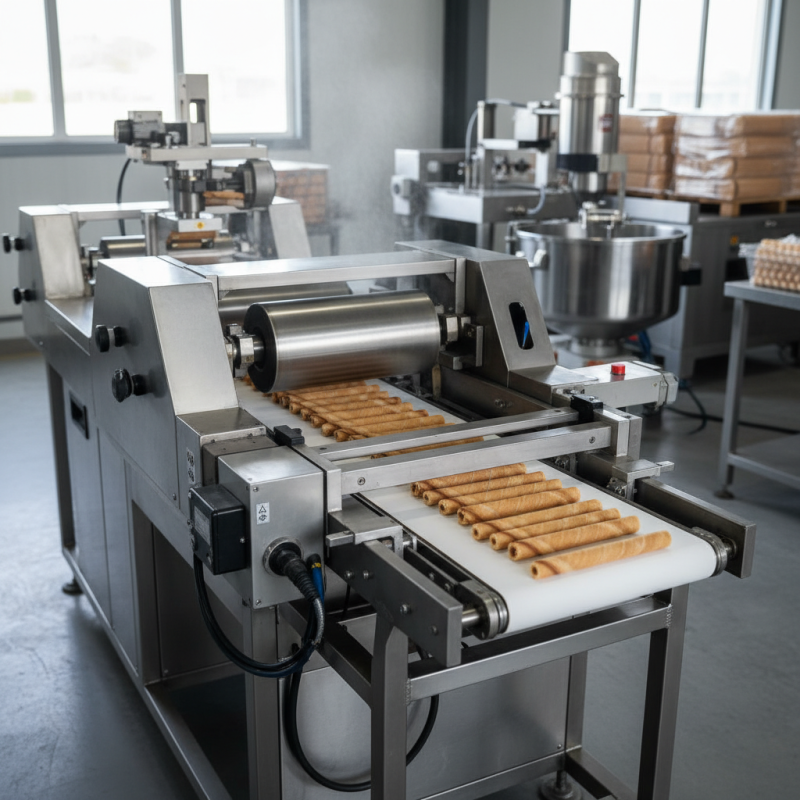
How to Choose the Best Wafer Roll Machine for Your Business?
Choosing the right Wafer Roll Machine is essential for any business looking to produce high-quality snacks. A good machine can significantly impact production efficiency and product quality. Various factors come into play when selecting a machine that meets your specific needs.
Consider the size of your operation. A small business may require a different model than a large-scale manufacturer. It's important to assess your production volume and space constraints. You might find a compact machine useful. Yet, larger operations may need advanced features for higher output.
Think about the machine’s durability and maintenance needs. A well-built Wafer Roll Machine lasts longer. However, some machines may require frequent upkeep. This can affect productivity. Exploring brands with good customer support is wise. Your choice should align with your business goals and operational demands.
Factors to Consider When Choosing a Wafer Roll Machine
When choosing a wafer roll machine, it's crucial to consider several factors. The capacity of the machine is a key point. A higher capacity means you can produce more rolls in less time. This could be essential for meeting customer demand. However, overestimating your capacity needs may lead to wasted resources. It's best to assess your current and anticipated order volume accurately.
Material quality is another significant aspect. Machines constructed from durable materials can withstand wear and tear. This can save you money on repairs in the long run. However, some machines might appear robust but have issues with specific ingredients or temperatures. Pay close attention to the specifications to avoid such pitfalls.
Another factor is ease of use and maintenance. A complicated machine can slow down production. User-friendly controls can enhance efficiency. But, machines that are simple may lack advanced features. Finding the right balance is essential. Take time to reflect on your business's unique needs for creating efficient processes.
How to Choose the Best Wafer Roll Machine for Your Business? - Factors to Consider When Choosing a Wafer Roll Machine
| Feature | Importance | Considerations | Price Range (USD) |
| Production Capacity | High | Assess daily output needs | $2,000 - $10,000 |
| Machine Size | Medium | Space availability in production area | $1,500 - $5,000 |
| Ease of Use | High | Operator training requirement | $1,000 - $3,500 |
| Energy Efficiency | Medium | Cost of electricity | $1,200 - $4,000 |
| Maintenance Needs | High | Availability of parts and service | $500 - $2,000 |
| Price | High | Budget constraints | $1,000 - $15,000 |
| Customizability | Medium | Specific product requirements | $1,500 - $6,000 |
Types of Wafer Roll Machines Available on the Market
When selecting a wafer roll machine, knowing the types available is crucial. There are several models on the market. Some machines are manual, while others are fully automated. Manual machines require more hands-on work, perfect for smaller businesses. Automated machines increase production speed and consistency, suitable for larger operations.
Tip: Consider your production needs. If you're starting small, a manual machine might suffice. Larger factories, however, may benefit from automation. It's also essential to evaluate the machine's capacity. Some machines handle more batter and produce faster.
Moreover, look at the features. Some machines have adjustable temperature settings, which can affect the taste and texture. Features like built-in molds can also save time. However, keep in mind that more features can mean a more complex operation.
Tip: Take time to explore user reviews. Many machines promise high performance, but they may not deliver. Understand the real-world experiences of other users before committing to a purchase. An informed choice can lead to better business outcomes.
Types of Wafer Roll Machines Available on the Market
Key Features to Look for in a Wafer Roll Machine
When selecting a wafer roll machine, key features play a crucial role. Efficiency is paramount. Machines should have a high production capacity. According to industry reports, a machine can produce up to 1,500 rolls per hour. This speed ensures your business meets demand during peak times.
Another vital feature is temperature control. Consistent heating ensures even cooking, contributing to the quality of every roll. Some machines vary in precision, and even a few degrees can affect the final product. Look for models with digital controls for better accuracy. These machines often cost more but deliver superior results.
Automation is also essential. Semi-automatic machines require more human intervention. This can lead to inconsistencies. A fully automated wafer roll machine minimizes labor needs. According to market research, automated systems increase production rates by 30%. However, they often need more initial investment. Balancing cost and efficiency is critical for long-term success.
Budgeting for Your Wafer Roll Machine Purchase
When budgeting for a wafer roll machine, consider all costs. The initial price is just one aspect. Think about ongoing expenses. Maintenance costs can add up. This includes repairs and parts replacement. Additionally, training for your staff will require some budget as well.
Tips: Always set aside a portion of your budget for unexpected expenses. Prices can fluctuate. It’s wise to keep an eye on market trends. You might need to adjust your budget based on these changes. Consider financing options if necessary. A machine that seems too expensive might be worth it if it enhances production efficiency.
Evaluate the features you need in a machine. Opt for a versatile model that can handle various recipes. This flexibility might save you money in the long run. Do not overlook the importance of warranty and support. A good warranty can cover costs you did not foresee. Investing smartly can ensure your business thrives.
Maintenance Tips for Your Wafer Roll Machine
Maintaining a wafer roll machine is crucial for ensuring its longevity and efficiency. Regular cleaning is essential. After every batch, residues can accumulate. These residues can affect taste and texture. Use a soft cloth or brush to gently remove any buildup. It’s a simple task, yet often overlooked. Neglecting cleaning might lead to more significant issues down the line.
Inspecting the machine regularly is another critical step. Look for signs of wear and tear. Check belts, gears, and heating elements. If you notice any unusual sounds or irregular performance, address the issue immediately. Delaying maintenance can result in costly repairs. It’s common to ignore small problems, but they can escalate quickly.
Lastly, ensure you follow the manufacturer's guidelines for lubrication. Proper lubrication is key to smooth operation. However, over-lubrication can lead to excess grease buildup. This mistake can hinder performance. Take a moment to reflect on your maintenance routines. Are they as thorough as they should be? Regular checks and thoughtful care are vital in preventing bigger headaches in your production process.