How to Choose the Best Titanium Welding Techniques for Your Projects?
Choosing the right welding technique for titanium is crucial for the success of your projects. Titanium Welding presents unique challenges and opportunities. According to a report from the American Welding Society (AWS), titanium welding processes have seen a 15% increase in efficiency over the past five years. This trend highlights the growing importance of selecting appropriate techniques.
Expert Michael L. Fisher, a renowned authority in titanium welding, emphasizes, "Mastering the right techniques can transform project outcomes." His insight reflects the intricate nature of titanium. It requires precision and understanding of the material's properties. As welders explore various methods, they must consider factors like heat input and joint design.
However, the process is not without its pitfalls. Mistakes in technique can lead to defects and project failures. This reality prompts critical reflection on existing practices. Welders must continually evaluate their approach to stay ahead in this evolving field. Selecting the best titanium welding techniques can make a significant difference in the durability and strength of the final product.
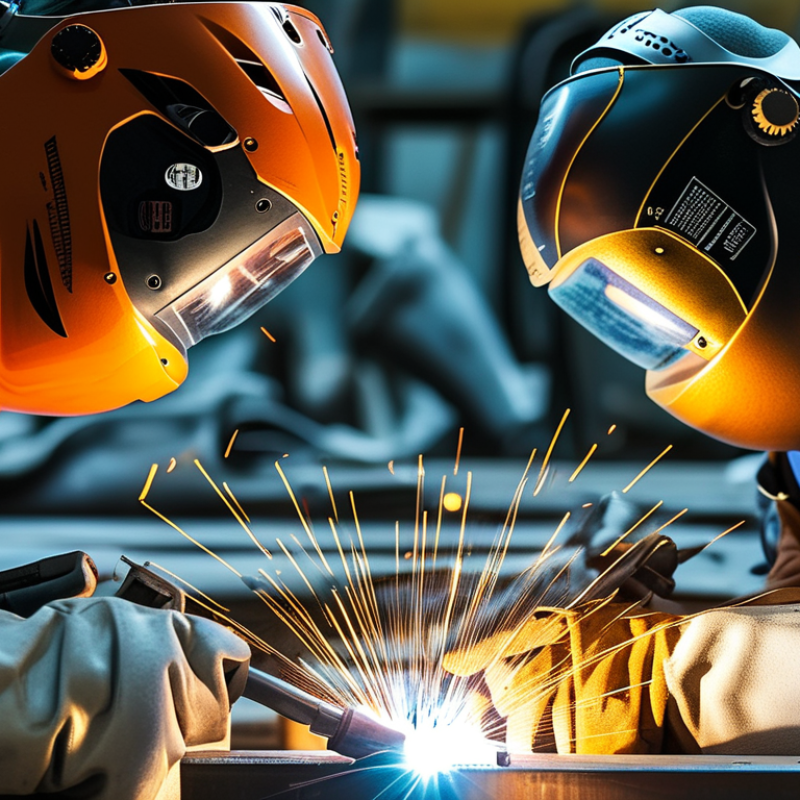
Understanding the Unique Properties of Titanium for Welding Applications
Titanium is a remarkable material known for its strength and lightweight properties. This metal has a low density and excellent corrosion resistance, making it ideal for various welding applications. However, these same features present unique challenges in the welding process. Understanding these characteristics is key to selecting the best welding technique for your project.
When welding titanium, the material's high reactivity requires careful handling. The metal can absorb contaminants from the atmosphere, leading to potential defects. Protective measures, such as inert gas shielding, are essential to minimize these risks. Common techniques like TIG (Tungsten Inert Gas) welding provide high precision and control, but they may also demand more time and skill. Alternatively, MIG (Metal Inert Gas) welding can be faster and easier for thicker sections, but it may compromise some quality.
Welders must also consider titanium grades. Different grades have varying melting points and alloy compositions, influencing the choice of technique. Each project can present its own set of challenges. Experimentation is often necessary to find the right balance between speed and quality. Learning from each project can help improve your welding skills and outcomes over time.
Overview of Common Titanium Welding Techniques and Their Applications
When selecting the best titanium welding techniques, understanding common methods is crucial. One prevalent technique is Gas Tungsten Arc Welding (GTAW), often favored for its precision. GTAW allows for clean and controlled welds, essential when working with titanium. This method suits applications in aerospace, medical devices, and marine industries. However, its slower speed can be a drawback for larger projects.
Another technique is Gas Metal Arc Welding (GMAW). This method can enhance productivity, making it suitable for thicker titanium materials. GMAW offers good fill rates and can be efficient for larger-scale productions. Yet, it may not provide the same level of purity as GTAW. It's vital to consider the project requirements when choosing between these methods.
A tip when welding titanium is to keep the workspace clean. Contamination can undermine weld quality. Also, ensure proper shielding gas is used to protect the weld pool. Remember, proper training is essential. Not every welder can achieve top results with titanium without sufficient experience. Take feedback seriously, and be willing to adapt your techniques as needed. This approach enhances both skill and project outcomes over time.
Comparative Analysis of TIG, MIG, and Plasma Arc Welding for Titanium
When it comes to titanium welding, the choice of technique can significantly impact the final outcome. TIG welding is often favored for its precision. This method produces clean, high-quality welds, making it suitable for critical applications. However, it requires a high level of skill and can be slow. A misstep could lead to defects that compromise the integrity of the joint.
MIG welding, while faster, may not achieve the same quality as TIG. It uses a continuous wire feed, which speeds up the process. But, the heat input can be higher, potentially leading to warping or other issues. Specific settings must be monitored closely to ensure a smooth bead and proper penetration. A lack of focus might result in subpar welds.
Plasma arc welding strikes a balance between speed and quality. It utilizes a constricted arc for better control. Compared to TIG, this method allows for thicker materials. However, if not executed carefully, it can also produce defects. Each technique has its strengths and weaknesses, requiring thoughtful consideration based on project needs. Understanding these nuances is essential for successful welding.
How to Choose the Best Titanium Welding Techniques for Your Projects?
| Welding Technique | Advantages | Disadvantages | Best Use Cases |
| TIG Welding | High quality and precision, great control over weld pool | Slower process, requires high skill level | Aerospace and medical applications |
| MIG Welding | Faster than TIG, easier to learn | Less control over the heat, can lead to poor quality welds | Manufacturing and production environments |
| Plasma Arc Welding | High heat concentration, suitable for thick materials | Can be more expensive, more complex equipment | Heavy industrial applications and thick titanium welding |
Key Considerations for Selecting Filler Metals in Titanium Welding
Choosing the right filler metals is crucial for titanium welding. The selection can significantly affect the quality of your welds. When selecting filler metals, consider the titanium grade you are working with. Different grades have varying compositions. This impacts how well they bond with the base metal during welding.
Welders often overlook the environment of the weld. Factors like temperature and moisture can affect weld integrity. Certain filler metals perform better in specific environments. For instance, some metals resist oxidation. Others may not, leading to issues like brittleness.
Experience plays a vital role. Regular practice with various filler materials is essential. Experimentation helps identify which combination works best for your projects. Learn from mistakes. Adjust your methods as needed. Understanding the nuances in filler metals can improve your results greatly.
Comparative Analysis of Filler Metals for Titanium Welding
Safety Practices and Precautions When Welding Titanium Alloys
Welding titanium alloys requires strict safety practices. Exposure to fumes and heat can lead to health risks. Proper ventilation is essential. A well-ventilated workspace reduces inhalation of harmful vapors. According to the American Welding Society, adequate ventilation can minimize respiratory issues in welders by 30%.
Personal protective equipment (PPE) is equally important. Welders should wear flame-resistant clothing, gloves, and a welding helmet. The National Institute for Occupational Safety and Health recommends specific PPE to protect against UV radiation and burns. This significantly decreases injuries. Using the right PPE can reduce the risk of immediate injury and long-term health impacts.
Handling titanium brings its own challenges. Contamination from atmospheric gases can affect weld quality. Employing a shielding gas like Argon is vital. However, not all setups are perfect. Regularly assessing gas purity and flow rates can identify issues. Poor gas quality can compromise weld integrity. Tracking these variables is crucial for successful outcomes.