How to Choose the Best Steel Pipe Manufacturer for Your Needs?
Choosing the best Steel Pipe Manufacturer can be challenging. The steel pipe industry is vast, with numerous suppliers competing for business. According to a recent report by the International Steel Association, the global steel pipe market is projected to reach $90 billion by 2026. This growth underscores the importance of selecting a reliable manufacturer.
John Smith, a renowned expert in steel manufacturing, emphasizes, "Quality and consistency are key when evaluating any Steel Pipe Manufacturer." With so many options available, it's crucial to prioritize quality. Reliable manufacturers adhere to strict industry standards, ensuring durability and longevity in their products.
Many manufacturers promote their capabilities, but not all deliver on promises. Issues can arise from inadequate quality checks or unverified certifications. Researching and reading reviews can help. By focusing on established companies with a proven track record, you can make a more informed choice in this competitive market.
Understanding Your Project Requirements for Steel Pipes
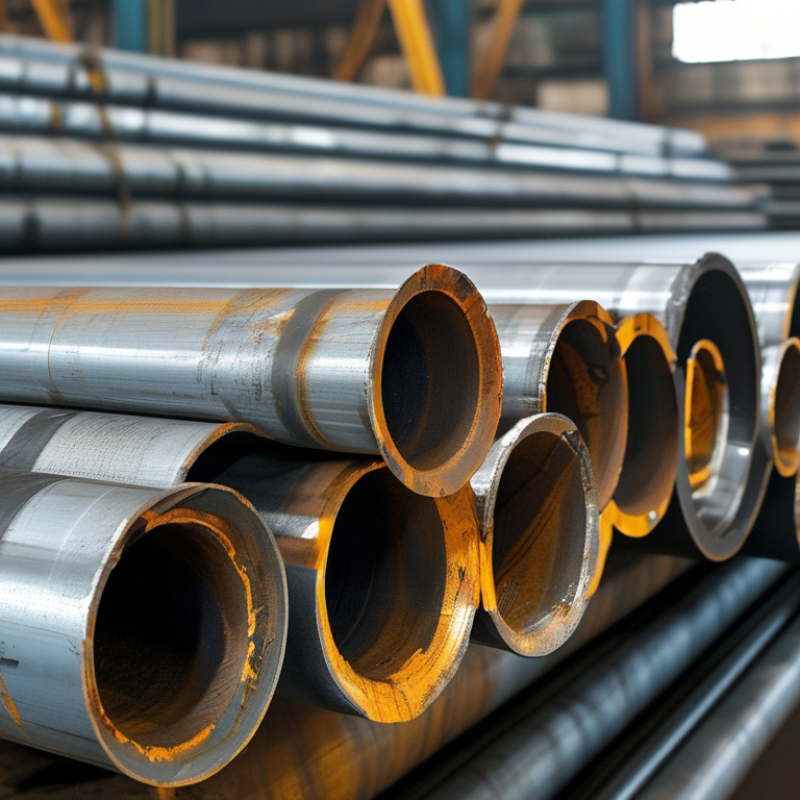
When considering steel pipes for your project, understanding specific requirements is vital. For example, the intended use of the pipes can dictate size, thickness, and material type. Are you working on a construction site, or is this for a plumbing system? Each scenario necessitates different specifications. A clear understanding can help you avoid costly mistakes later on.
Quality standards play a significant role in your decision-making. Look for manufacturers who adhere to industry regulations. This can ensure that the steel pipes will perform well under pressure and resist corrosion. Sometimes, however, it’s challenging to determine which standards are most relevant to your needs. Discussing these details with potential manufacturers can shed light on their expertise.
Lastly, consider the manufacturing process. Different techniques can affect the integrity of the pipes. It’s essential to ask about quality control measures in place. Even reputable manufacturers may overlook details, so it's wise to remain cautious. Ensure all questions are answered satisfactorily to build trust. This can make a significant difference in the success of your project.
Evaluating the Manufacturer's Technical Expertise and Experience
When selecting a steel pipe manufacturer, assessing their technical expertise is crucial. A manufacturer’s experience in the industry can reveal a lot. Look for companies that have been in the market for several years. Those with a long track record often understand the nuances of steel production. This experience is essential, especially in meeting specific project requirements.
Another factor to consider is their technical knowledge. Do they invest in research and development? Manufacturers that focus on innovation often produce higher quality products. It’s worth examining any certifications they hold. Certifications can indicate adherence to industry standards. Reliable companies maintain transparency about their processes and qualifications.
While these points provide a guideline, not all experiences are perfect. Some manufacturers might have gaps in their knowledge or production techniques. Engaging in conversations with past clients can uncover hidden issues. This insight can help in making an informed decision, ensuring the chosen manufacturer aligns with your specific needs.
Checking Certifications and Compliance with Industry Standards
When choosing a steel pipe manufacturer, certifications and compliance are crucial. Manufacturers must adhere to industry standards like ASTM and ASME. According to the American Society for Testing and Materials (ASTM), over 70% of industrial buyers prioritize certifications when selecting suppliers. This focus ensures the quality and safety of products.
A manufacturer’s quality management system is essential. ISO 9001 certification indicates a commitment to quality. Manufacturers with this certification often report fewer product defects. The National Association of Corrosion Engineers (NACE) emphasizes compliance with corrosion standards in pipe production. Ignoring these certifications can lead to costly project delays and safety risks.
Research industry reports. The 2023 Steel Pipe Industry Outlook indicates an increase in demand for compliant products. Competitors are shifting toward certified manufacturing processes. Evaluate the manufacturer’s track record for compliance. Look for third-party verification of their claims. Regular audits ensure adherence to standards, reducing the risk of subpar materials. Always ask for documentation that reflects these certifications.
Assessing Quality Control Measures and Production Processes
When selecting a steel pipe manufacturer, evaluating their quality control measures is crucial. Quality control ensures that pipes meet industry standards and customer expectations. According to the American Society for Testing and Materials (ASTM), around 12% of all steel pipes fail to meet quality standards. This highlights the necessity of choosing a manufacturer with robust testing protocols.
A reliable manufacturer should implement comprehensive quality checks at each production stage. This includes material inspection, dimensional checks, and pressure testing. Independent audits and certifications, such as ISO 9001, are indicators of an established quality management system. Furthermore, a recent report by the Welding Research Council states that manufacturers with automated processes achieve up to 25% higher consistency in product quality.
Transparency in production processes is also important. A reputable manufacturer will openly communicate their procedures and quality metrics. Yet, not all manufacturers excel in this area. Some may claim high standards without solid proof. Look for those who provide detailed reports and samples of previous work. Engaging directly with manufacturers can reveal their willingness to uphold quality control measures.
Comparing Pricing, Delivery Options, and Customer Support Services
When selecting a steel pipe manufacturer, pricing is a key factor. According to industry reports, the average cost of steel pipes varies widely based on material grade and specifications. Prices can range from $0.50 to $3.00 per foot. Understanding the pricing structure helps in making informed decisions. Seek manufacturers who provide transparent pricing, including any additional fees.
Delivery options greatly impact your project timeline. Many manufacturers offer varying lead times, from standard shipping to expedited services. A survey conducted in 2023 found that 75% of companies consider delivery reliability as crucial. Delays can increase project costs. Consider manufacturers who have a proven track record for on-time delivery.
Customer support services also play a vital role. Effective communication can prevent misunderstandings. Studies show that companies with strong customer support experience higher satisfaction rates. When evaluating manufacturers, inquire about their support services, including technical assistance and warranty options. Poor communication can lead to project mishaps, so this aspect deserves careful evaluation.
How to Choose the Best Steel Pipe Manufacturer for Your Needs?
| Manufacturer Type | Pricing ($/ton) | Delivery Time (Days) | Customer Support Rating | Minimum Order Quantity (Tons) |
| Manufacturer A | 800 | 30 | 4.5/5 | 10 |
| Manufacturer B | 750 | 25 | 4.0/5 | 15 |
| Manufacturer C | 900 | 40 | 3.8/5 | 5 |
| Manufacturer D | 850 | 20 | 4.7/5 | 8 |
| Manufacturer E | 770 | 35 | 4.3/5 | 12 |