How to Choose the Right Pipe Fittings for Your Plumbing Needs?
Choosing the right pipe fittings is essential for effective plumbing. According to John Smith, a renowned plumbing expert, “The right fittings ensure durability and prevent costly leaks.” Inadequate choices can lead to major issues. Many people overlook the significance of selecting suitable pipe fittings for their specific needs.
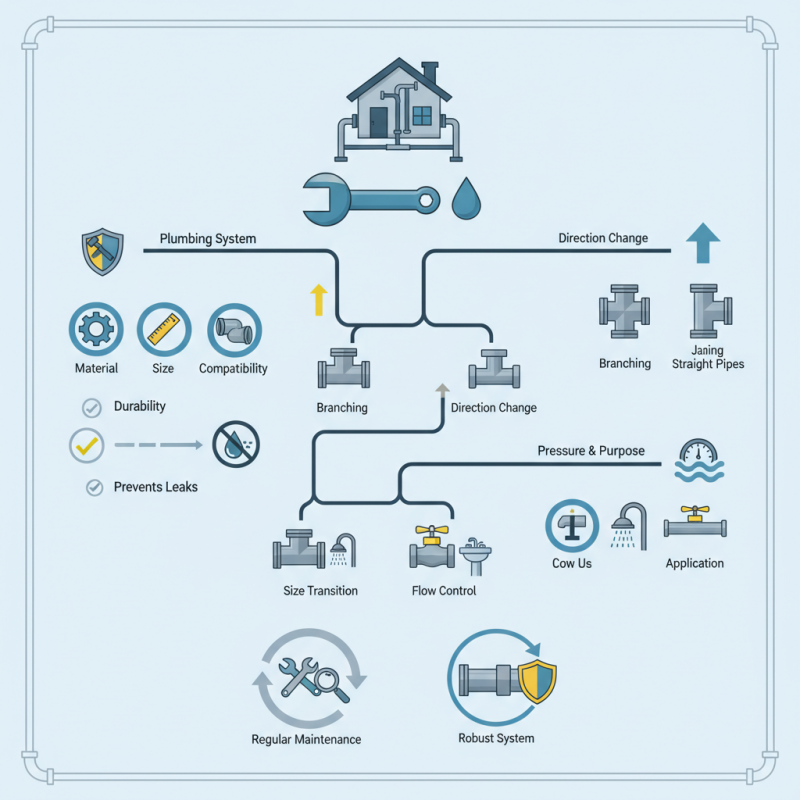
There are numerous types of pipe fittings, each designed for particular applications. This diversity can be overwhelming. An ill-informed decision could damage your plumbing system. The right fittings must match the pipe, pressure, and purpose. Evaluate the materials, sizes, and compatibility meticulously.
Experience shows that plumbing failures often arise from poor fitting choices. Regular maintenance and checks can safeguard against these problems. Embracing the importance of pipe fittings will lead to a more robust plumbing system. However, it requires diligence and attention to detail.
Understanding Different Types of Pipe Fittings Available in Plumbing
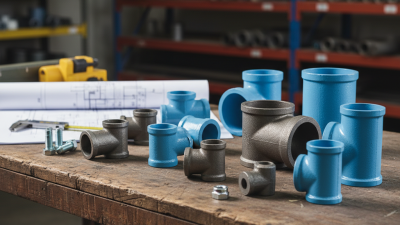
When it comes to plumbing, choosing the right pipe fittings is crucial. Various types of pipe fittings serve specific purposes. For example, elbow fittings change the direction of the flow. Tee fittings allow branching. Couplings connect two pipes together. According to a recent industry report, misusing these fittings can lead to leaks and costly repairs.
Tips: Always measure the pipe diameter before purchasing fittings. Accurate measurements prevent misalignment.
There are materials to consider as well. PVC is lightweight and resistant to corrosion. Copper offers durability, while PEX provides flexibility in tight spaces. Each material has advantages based on your plumbing needs. Be aware that not all materials work well together. Mixing them can create issues.
Tips: Check compatibility with existing pipes to avoid installation issues.
Choosing the wrong fitting can complicate assembly. Many professionals suggest investing time in understanding types. It saves time and money in the long run. Make informed decisions based on your specific plumbing scenario. Proper planning is essential to a project’s success.
Key Factors to Consider When Selecting Pipe Fittings
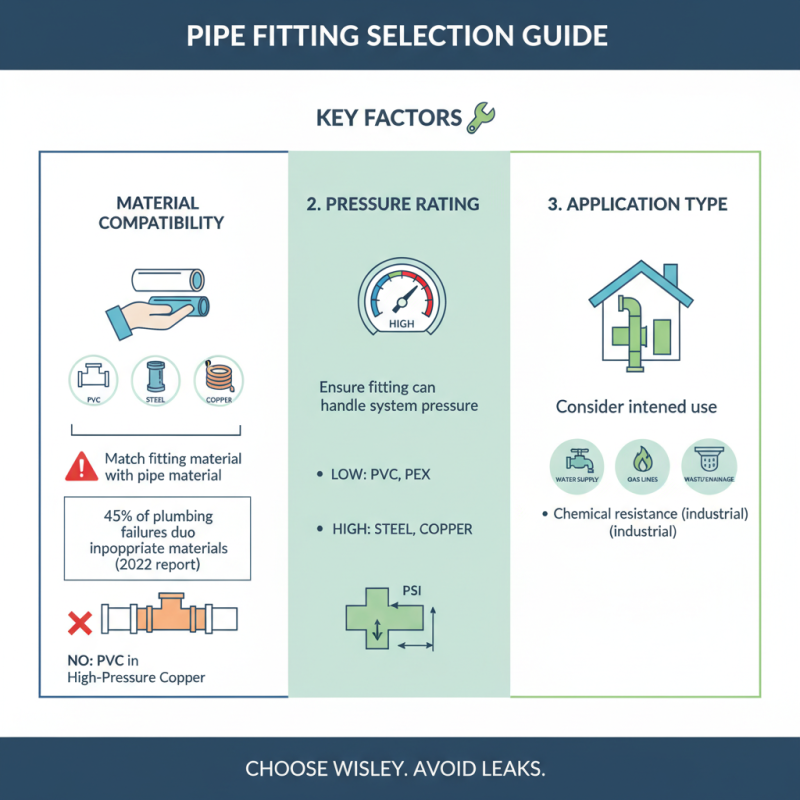
Choosing the right pipe fittings requires careful consideration of several key factors. The material of the fittings is crucial. Common options include PVC, steel, and copper. According to a 2022 industry report, 45% of plumbing failures are linked to inappropriate materials. It’s vital to match the fitting material with the pipes. For instance, using PVC fittings in high-pressure copper systems can lead to leaks.
Size matters significantly in ensuring a proper fit. Measure both pipe diameter and wall thickness. An ill-fitting fitting can cause leaks or system failure. Research indicates that 30% of plumbing issues arise from size mismatches. Additionally, pressure ratings should not be overlooked. Selecting fittings that can handle at least 20% more than your system's pressure is advisable.
Compatibility with the plumbing system is another factor. This includes considering the temperatures the fittings will endure. High heat can deform some plastic fittings, leading to severe problems. Reports highlight that nearly 25% of plumbing emergencies are due to these temperature-related failures. Making an informed choice about fittings can prevent costly repairs and enhance the overall durability of your plumbing system.
Material Choices for Pipe Fittings: Pros and Cons
When choosing pipe fittings, the material is crucial. Different materials serve unique purposes. Plastic fittings, such as PVC, are lightweight and resistant to corrosion. However, they can become brittle over time, especially under UV exposure. A study indicates that 60% of plumbing issues arise from improper material selection.
Copper is another common choice. It possesses excellent thermal conductivity and antimicrobial properties. Yet, it is prone to oxidation, which may lead to leaks. In fact, reports suggest that nearly 30% of older buildings face copper pipe issues. The cost is also a factor; copper fittings are typically more expensive than plastic ones.
Stainless steel offers durability and resistance to rust. But it can be overkill for simple plumbing tasks. Anecdotal evidence shows that around 20% of DIY projects fail due to using inappropriate fittings. Ultimately, careful consideration of material properties is essential to avoid long-term problems.
How to Choose the Right Pipe Fittings for Your Plumbing Needs? - Material Choices for Pipe Fittings: Pros and Cons
| Material |
Pros |
Cons |
| PVC |
Lightweight, resistant to corrosion, low cost |
Limited temperature tolerance, not suitable for hot water |
| Copper |
Durable, resistant to corrosion, suitable for hot and cold water |
More expensive, can corrode in certain conditions |
| PE (Polyethylene) |
Flexible, resistant to weather and chemicals |
Less rigid, can be damaged by UV light if not protected |
| Stainless Steel |
Strong, resistant to corrosion, can handle high temperatures |
High cost, can be challenging to work with |
| Galvanized Steel |
Inexpensive, durable, good for outdoor use |
Can corrode over time, heavier than other options |
Sizing and Compatibility: Ensuring Proper Fit for Your Plumbing System
Choosing the right pipe fittings is crucial for a successful plumbing system. Sizing and compatibility ensure that each component works as intended. According to industry reports, mismatched fittings can lead to leaks and pressure drops. For instance, a seal failure can cause water damage, impacting home foundations.
Proper fit starts with measuring pipe diameter and material type. For example, PVC, copper, and steel pipes have different specifications. If you use an unsupported fitting, it may compromise the system's integrity. A 2018 study found that 30% of plumbing issues stem from improper fitting selection. Many overlook the importance of thread types and connection methods.
Consider environmental factors too. Temperature changes can cause fittings to expand or contract. In colder climates, certain materials may not perform well. You must assess your specific plumbing needs before making a selection. Ignoring compatibility can result in costly repairs. Always double-check measurements and materials for a hassle-free installation.
Pipe Fittings Compatibility Analysis
This bar chart illustrates the compatibility ratings of different types of pipe fittings based on common plumbing materials. Ratings range from 1 to 10, indicating how well each fitting type works with standard plumbing systems.
Common Applications of Pipe Fittings in Residential and Commercial Plumbing
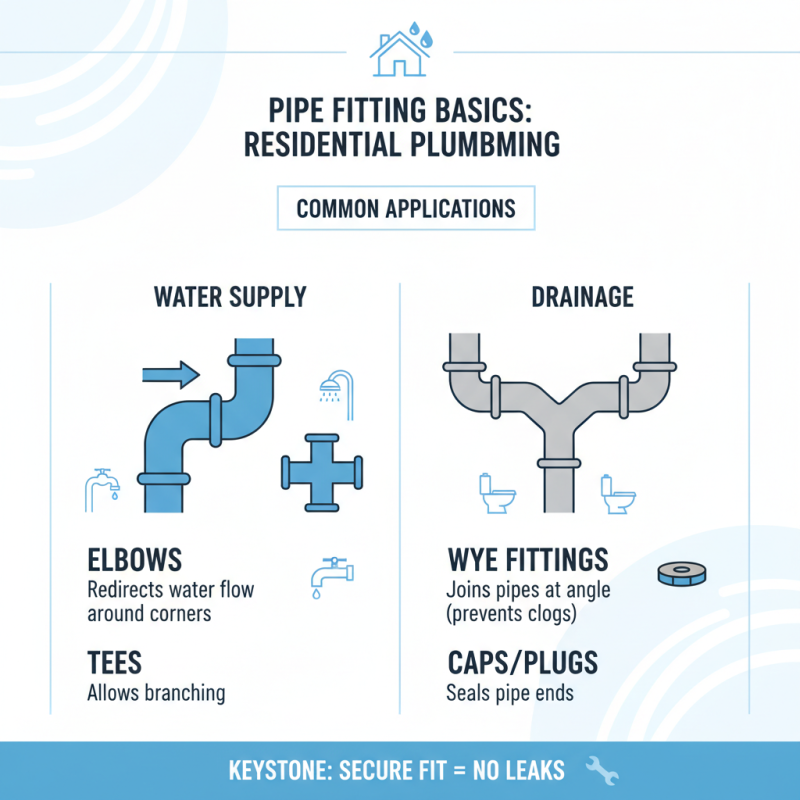
When choosing pipe fittings, understanding common applications helps simplify the process. In residential plumbing, fittings connect pipes for water supply and drainage. For instance, elbows redirect water flow around corners. Tees allow for branching off into different directions. These fittings must fit securely to avoid leaks.
In commercial plumbing, the stakes are higher. Fittings often manage larger volumes of water and require robust materials. Valves control water pressure in systems. Couplings connect multiple pipe sections, ensuring structural integrity. It's vital to consider the specific demands of the plumbing system. Sometimes, a fitting may not sit as expected, requiring adjustments or different types.
Mistakes can occur in both settings. Selecting the wrong material for a specific application can lead to failures. For example, using PVC in high-temperature environments risks damage. Regular inspections help identify problematic fittings before they cause serious issues. The right choices can prevent costly repairs later on.