
China Top Diesel Pump Commutator Manufacturer?

China’s position as a leading Diesel Pump Commutator manufacturer deserves careful, evidence-based evaluation. Demand remains connected to diesel engines, commercial vehicles, agricultural equipment, and replacement-parts networks.

The International Energy Agency’s Oil 2024 report expects global oil demand growth to slow considerably before 2030. That trend does not eliminate diesel-pump component demand. It changes the buying question. Buyers now examine service life, electrical consistency, traceability, and compatibility with newer fuel systems.

The detail matters.

The U.S. Department of Energy’s Vehicle Technologies Office continues to identify fuel-system efficiency, durability, and reduced friction as important engineering priorities. These priorities directly affect commutator design. Copper grade, mica undercutting, slot accuracy, balancing, and brush-contact stability can influence pump noise and starting reliability.

Professor John B. Heywood, a leading internal-combustion-engine authority, explains that “the internal combustion engine is a heat engine in which combustion takes place inside the engine.” His point is simple, but useful. A small commutator operates within a demanding thermal and mechanical system.

A credible Chinese supplier should therefore provide dimensional inspection records, resistance testing, dynamic balancing results, and batch-level material information. ISO 9001 certification helps, but certification alone proves little about every production batch.

That distinction is easy to miss.

Reports from the IEA and DOE describe broader energy and vehicle trends, not a complete commutator market. Exact market-size claims should be treated cautiously. A stronger supplier comparison combines laboratory evidence, customer experience, engineering support, and transparent corrective-action records.

China may offer cost and manufacturing scale. Reliability still depends on process discipline. Sometimes, the cheapest component becomes the most expensive failure.
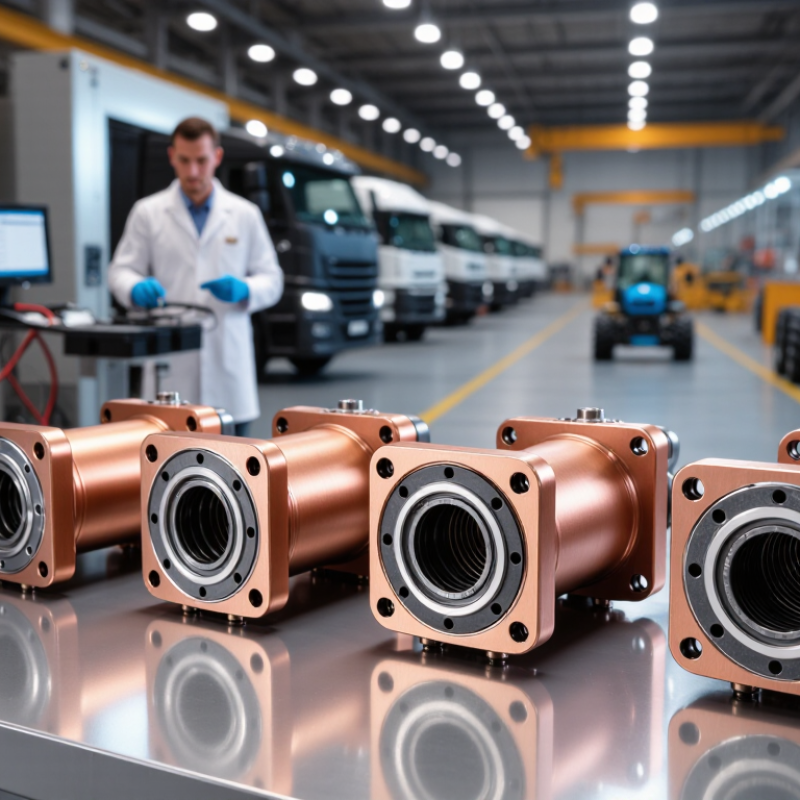
China Top Diesel Pump Commutator Manufacturer?

What Is a Diesel Pump Commutator?

What Is a Diesel Pump Commutator?

A diesel pump commutator is a rotating electrical component inside many DC fuel pump motors. It transfers current from stationary carbon brushes to the spinning armature. Its copper segments switch the current direction as the rotor turns. This switching keeps the motor producing continuous torque.

The commutator often looks like a small copper cylinder with thin insulating gaps. Each segment must remain electrically separate. During operation, the brushes press against its surface while the rotor may spin thousands of times per minute. Heat, dust, vibration, and tiny sparks gradually affect this contact area. A rough surface can increase electrical resistance and reduce pump performance.

In practical inspection, technicians check segment height, surface color, runout, and insulation condition. Burn marks may indicate overload, poor brush contact, or an unsuitable spring force. The commutator is not always the main fault. A damaged bearing can create similar symptoms through vibration and uneven wear. This is where rushed diagnosis becomes unreliable.

Manufacturing quality depends on copper purity, precise segment assembly, balanced machining, and stable insulation materials. A dependable supplier should provide dimensional records and electrical test data for each production batch. Useful tests include resistance checks, high-speed balancing, and simulated temperature cycling. No inspection method is perfect. Real pump conditions can still reveal weaknesses that laboratory tests miss. A careful diesel pump commutator manufacturer studies both test results and field feedback.


How Diesel Pump Commutators Work in Fuel Systems

A diesel pump commutator helps convert electrical energy into controlled mechanical motion. It sits inside a small DC motor that drives the pump element. The commutator has copper segments arranged around the rotor shaft. Carbon brushes press against these segments while the rotor turns.

As current enters the motor, the commutator switches the current direction through different rotor coils. This switching keeps the magnetic force moving in one direction. The rotor then spins continuously instead of stopping after a partial turn. That rotation drives gears, rollers, or an impeller, depending on the pump design. Fuel moves through the system with steady pressure and flow.

Small parts matter greatly. Brush contact must remain stable. Poor contact can create heat, electrical noise, and uneven motor speed. Diesel contamination, fine dust, and moisture may increase wear inside the pump housing. Inspection often includes measuring brush length, checking segment surfaces, and observing current draw under load.

A smooth surface is not always a healthy surface. Excessive polishing can remove useful material. This is where practical judgment matters. Technicians should compare wear patterns with operating symptoms, not rely on one measurement.

A commutator that looks acceptable may still lose contact when the pump becomes hot. Careful testing at realistic voltage and fuel conditions gives more reliable evidence. Proper material selection and precise assembly also support stable service life in diesel fuel systems.

Key Materials and Manufacturing Processes in China

China’s diesel pump commutator production depends on material control more than attractive specifications. Copper segments need high conductivity, stable hardness, and clean surfaces. Their dimensions affect brush contact and electrical efficiency. Mica or another approved insulating layer separates each segment. The insulation must resist heat, vibration, and oil exposure inside the pump. A steel or reinforced hub provides mechanical support. Small material differences matter.

Manufacturing usually begins with copper strip forming, cutting, and precise segment shaping. Technicians then assemble the segments around the insulating core. Controlled molding pressure helps prevent movement during operation. The commutator is machined on a calibrated lathe, including its outer diameter and brush track. Dynamic balancing follows. Even slight imbalance can create vibration at high speed. It is easy to overlook.

Reliable factories record material batches, molding temperatures, machining tolerances, and electrical test results. Inspectors commonly check runout, insulation resistance, segment spacing, and solder joint strength. Visual inspection alone is not enough. Samples should also undergo rotation, heat, and endurance testing. In my view, production teams sometimes trust stable equipment too much. That confidence can hide gradual tool wear. Regular calibration and independent verification remain necessary, especially when a commutator must fit a compact diesel pump without excessive brush wear.

China Top Diesel Pump Commutator Manufacturer? - Key Materials and Manufacturing Processes in China

Technical comparison of common materials, production processes, inspection points, and selection criteria for diesel pump commutators

Technical Dimension Typical Material or Process Typical Technical Data Manufacturing or Quality-Control Requirement Relevance to Diesel Pump Performance
Segment Conductive Material Electrolytic tough-pitch copper or high-conductivity copper alloy Copper content commonly above 99%; electrical conductivity generally above 95% IACS for high-conductivity grades Material certificates, chemical composition, hardness, and electrical-conductivity checks should be verified before forming High conductivity reduces electrical losses and heat generation during continuous motor operation
Insulating Material Mica, mica-based insulation, or high-temperature thermosetting resin insulation Selected according to operating temperature, dielectric strength, moisture exposure, and mechanical load Insulation must fill gaps consistently and remain stable during pressing, curing, machining, and thermal cycling Prevents segment-to-segment short circuits and supports reliable commutation under vibration and temperature changes
Hub and Support Components Copper alloy, steel, or engineering polymer depending on commutator design Dimensional accuracy is commonly controlled in the hundredths-of-a-millimetre range for critical interfaces Concentricity, shaft fit, press-fit force, and resistance to thermal expansion must be controlled Stable support limits rotor imbalance, brush wear, noise, and intermittent electrical contact
Copper Forming Cold heading, stamping, forging, or precision machining Process selection depends on segment geometry, production volume, copper grade, and required grain structure Avoid cracks, burrs, excessive work hardening, and uneven segment thickness; inspect formed parts before assembly Uniform segment geometry improves current distribution and reduces localized heating
Segment Insulation Assembly Mica placement, resin molding, compression forming, and thermal curing Curing temperature and time are determined by the insulation system and resin formulation The insulation layer should be continuous, firmly bonded, and free from voids, delamination, and exposed conductive paths Reliable insulation is essential for preventing arcing and premature commutator failure
Commutator Pressing Hydraulic or servo-controlled pressing onto the hub or armature assembly Pressing force is set according to component dimensions, interference allowance, and material strength Record pressing force and displacement; check for cracks, distortion, loose segments, and improper seating Correct retention prevents segment movement during high-speed rotation and repeated thermal cycling
Turning and Surface Machining CNC or precision lathe turning followed by controlled surface finishing Final roundness, runout, surface roughness, and segment height must meet the motor design specification Use sharp, stable tooling and suitable cutting parameters to prevent copper smearing and uneven segment surfaces A smooth, uniform running surface supports stable brush contact and limits sparking and brush abrasion
Mica Undercutting Precision slotting or undercutting between adjacent copper segments Undercut depth is design-specific and must provide brush clearance without weakening segment support Control slot width, depth, cleanliness, and burr removal; excessive undercutting can reduce mechanical strength Proper undercutting prevents brushes from riding over insulation and helps maintain smooth commutation
Dynamic Balance Rotor or commutator dynamic balancing with corrective machining or balancing features Balance limits are determined by rotor speed, armature mass, and applicable motor design requirements Measure balance at the intended operating speed range or according to the customer’s specified balancing grade Good balance reduces vibration, bearing loading, brush bounce, and mechanical noise
Electrical Testing Continuity, segment-to-segment resistance, insulation resistance, and dielectric withstand testing Acceptance limits are defined by the motor voltage, winding design, insulation system, and applicable test standard Tests should be performed with calibrated instruments and documented by production batch Electrical testing detects open circuits, shorted segments, weak insulation, and assembly defects before delivery
Dimensional Inspection Coordinate measurement, optical inspection, gauges, and runout measurement Common checkpoints include outer diameter, bore, total length, segment count, slot geometry, and concentricity Inspection equipment should be calibrated; critical dimensions should be traceable to drawings and revision control Accurate dimensions ensure compatibility with the armature, brushes, bearings, and diesel pump motor housing
Thermal and Environmental Reliability Thermal cycling, humidity exposure, vibration, overspeed, or endurance testing where required Test conditions should represent the intended motor temperature, speed, vibration, and operating duration Use a documented test plan with defined sample size, acceptance criteria, and failure-analysis procedure Reliability validation helps identify insulation degradation, loosening, cracking, and abnormal brush interaction
Supplier Evaluation Criteria Process capability, traceability, inspection coverage, tooling control, and technical support Important indicators include stable batch quality, documented corrective actions, and repeatable process records Evaluate material traceability, control plans, first-article inspection, change management, and delivery consistency A capable manufacturing process is generally more important than nominal price when long service life is required
Applicable Reference Frameworks Customer drawings, internal control plans, electrical safety requirements, and relevant international standards The applicable requirements depend on the motor application, rated voltage, speed, insulation class, and market Confirm the latest drawing revision, test method, sampling plan, and documentation requirements before production Clear technical specifications reduce misunderstandings when sourcing commutators for diesel fuel-pump motors

How to Evaluate a Top Chinese Commutator Manufacturer

How to Evaluate a Top Chinese Commutator Manufacturer

A top Chinese diesel pump commutator manufacturer should prove performance, not simply display polished machinery. Check copper grade, mica spacing, shaft fit, and insulation thickness. Ask for dimensional reports from recent production batches. Reliable suppliers keep traceable records for materials, tooling, and final inspection. Their engineers should explain how they control runout, brush contact, and heat during continuous operation. Specific answers matter.

Tips: Request three sample commutators from different batches. Measure the outer diameter, bar height, and resistance. Inspect solder joints under magnification. Ask for endurance-test data using your motor’s voltage, current, speed, and load. A factory may provide impressive figures, but unclear test conditions weaken their value. Confirm whether testing is internal or independently verified. Small details expose large risks.

Visit the production area if possible. Look for clean assembly benches, calibrated instruments, balanced fixtures, and controlled storage for copper parts. Discuss failure handling openly. A dependable manufacturer should explain what happens after a crack, loose bar, or abnormal wear is found. Cost is important, but the lowest quote can hide inconsistent materials or weak process control. I would not treat one successful sample as final proof. Repeated results are more convincing, though even good evaluations deserve occasional review.

Applications, Quality Standards, and Buyer Considerations

A top China-based diesel pump commutator manufacturer should be judged by application fit, not catalog size. These parts serve fuel pumps in trucks, agricultural machinery, generators, and construction equipment. OICA reported 93.5 million motor vehicles produced worldwide in 2023, showing the scale of replacement demand. The IEA Oil 2024 report expects global oil demand to reach 105.4 million barrels per day by 2030. Diesel equipment will not disappear overnight. Field experience shows that dust, fuel vapor, vibration, and repeated starts expose weak commutators quickly. A pump may sound normal at first. Then brush arcing appears.

Buyers should request evidence of ISO 9001 processes and applicable IEC 60034 requirements for rotating electrical machines. For automotive supply, IATF 16949 alignment is a stronger quality signal. Ask for copper grade, bar-to-bar resistance records, dynamic runout limits, mica undercut depth, insulation resistance, and thermal-cycle results. Production samples should be checked at room temperature and after heat exposure. A supplier should also explain balancing, brush compatibility, and lot traceability. Independent inspection is wise for the first shipment. Numbers matter more than polished photographs. Still, standards do not guarantee perfect field life. Contact pressure, fuel contamination, and pump design can change results. My own buying mistake was approving a low-resistance sample without testing vibration. It passed electrically, but failed mechanically. A practical RFQ should define current load, speed, temperature range, shaft interface, expected service hours, and rejection criteria. Leave room for revision; early specifications are often incomplete.

Start WhatsApp Chat Start WhatsApp Chat
Valves

Valves

Water Meters

MS Forged Pipe Fittings

Fittings

Water Meters

Valves

DI Grooved Fittings (UL/FM)

Water Meters

DI Screwed Fittings (UL/FM)

Fittings

Composite Pipes & Fittings

Site Credits : Seigospace