2026 Best Water Pipe Fittings for Efficient Plumbing Solutions?
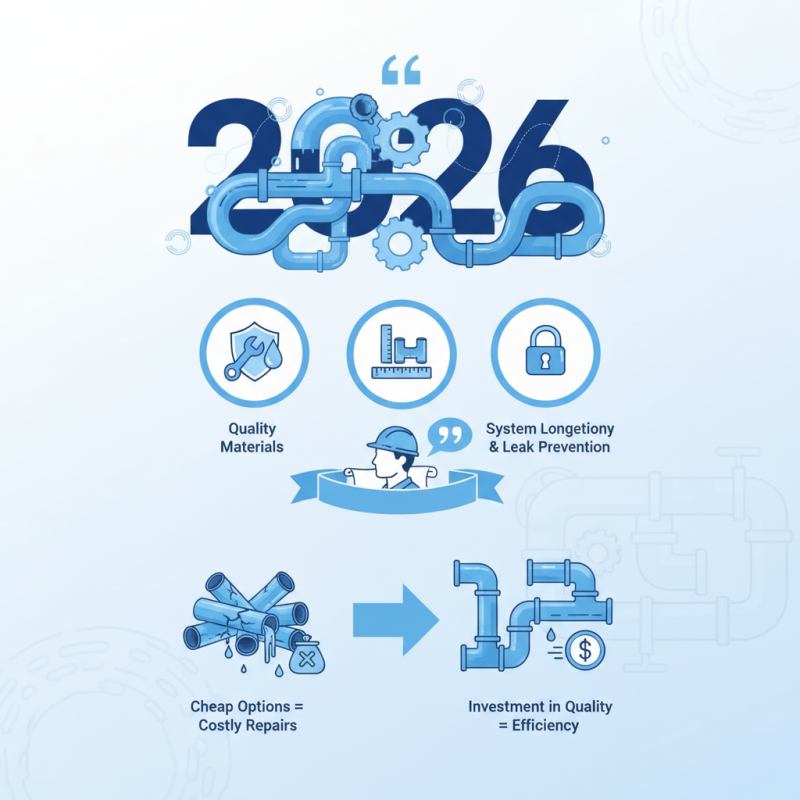
In the realm of plumbing, understanding the significance of water pipe fittings is crucial. John Smith, a renowned expert in plumbing solutions, emphasizes, "Quality water pipe fittings lay the foundation for efficient systems." His insight reflects the importance of selecting the right fittings for optimal performance.
Water pipe fittings are often overlooked. Many people assume that any fitting will suffice. However, the reality is different. The right choice can prevent leaks and increase system longevity. Poor fittings lead to issues that could have easily been avoided. For example, inadequate seals can cause water loss and damage.
Choosing the best water pipe fittings is essential for long-term efficiency. Features such as material, size, and compatibility matter greatly. The challenge lies in balancing cost with quality. Professionals often caution against prioritizing the cheapest options. This could lead to costly repairs down the line. In an industry where reliability is paramount, assessing all factors remains crucial.
2026 Trends in Water Pipe Fittings for Plumbing Efficiency
In 2026, water pipe fittings are expected to evolve significantly. The focus is increasingly on sustainability and efficiency. According to a recent industry report, around 30% of all plumbing costs come from leaks and inefficiencies in the system. This drives innovation in materials and designs. Manufacturers are experimenting with composites and smart technologies to reduce waste.
One emerging trend is the use of pressure-regulating fittings. These can help maintain a consistent flow, minimizing strain on pipes. Data shows that homes using pressure-regulated systems experience 20% fewer plumbing issues. This not only cuts repair costs but also extends the life of plumbing systems. Additionally, the movement toward eco-friendly materials is gaining traction. Recycled metals and biopolymers are now being tested for their durability and performance.
However, the shift is not without challenges. Some professionals express concerns about the compatibility of new materials with existing infrastructures. This could lead to unforeseen leaks or failures. Close attention must be paid during installation to ensure effectiveness. As the industry moves forward, ongoing education and training for plumbers will be critical. The goal remains clear: create plumbing solutions that are both efficient and sustainable for future generations.
Key Materials in Water Pipe Fittings: Comparing Durability and Cost
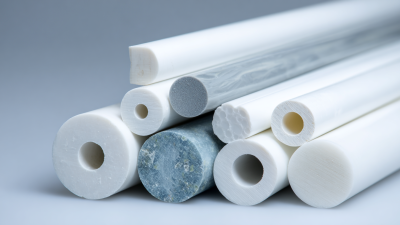
When selecting water pipe fittings, durability and cost are crucial factors. Materials like
PVC, copper, and
brass exhibit distinct characteristics.
PVC is lightweight, resistant to corrosion, and affordable.
However, it may not withstand high temperatures or extreme pressures.
Copper, on the other hand, is more reliable under intense conditions
but comes with a higher cost.
Brass fittings offer a balance between
durability and price. They resist rust and can handle various water pressures.
Yet, their production sometimes raises environmental concerns.
Each material has pros and cons that should be carefully considered based on specific plumbing needs.
Choosing the appropriate material involves a reflective process. It’s essential to assess not only the upfront cost but also the
long-term maintenance expenses.
Some options may seem attractive initially but might require more frequent replacements.
The decision should be based on thorough research and expert consultations to ensure an efficient and lasting solution.
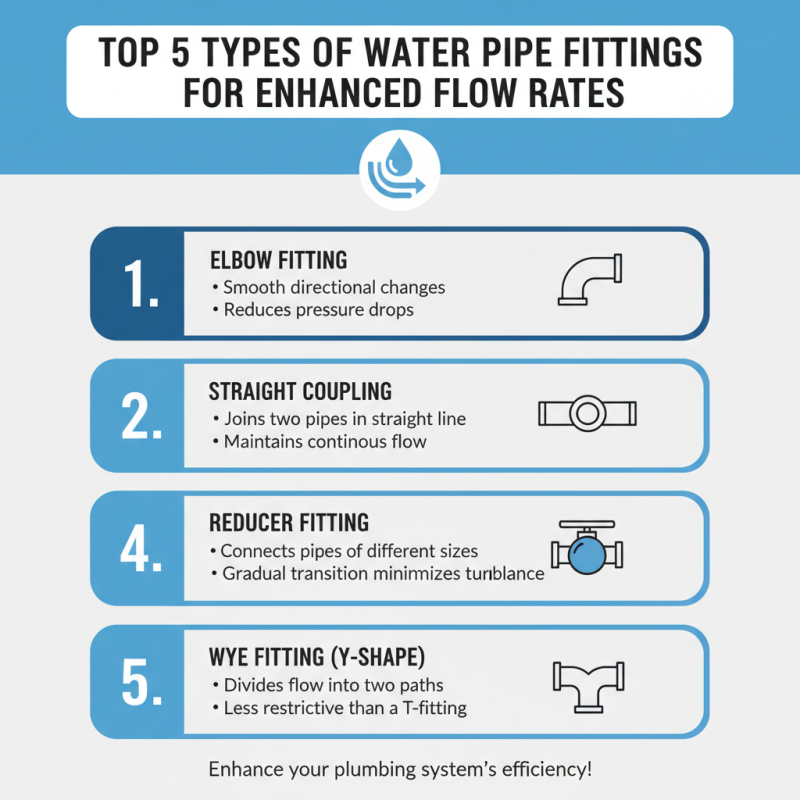
Top 5 Types of Water Pipe Fittings for Enhanced Flow Rates
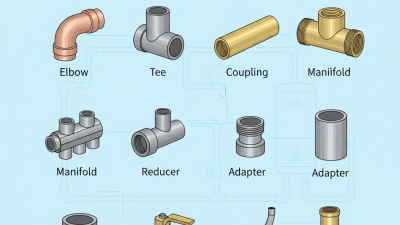
When considering plumbing solutions, the choice of water pipe fittings significantly impacts flow rates. Different types of fittings serve unique functions. Using the right fittings can enhance the efficiency of any plumbing system. One of the top types is the elbow fitting. It allows for smooth directional changes. This reduces pressure drops in the system.
Another crucial type is the tee fitting. It splits or combines flows effectively. Proper usage can optimize water distribution in various setups. Female and male threaded fittings are also essential. They ensure secure connections, minimizing leaks. Many overlook the importance of proper sealing techniques, which can lead to inefficiencies.
Also, consider the transition fitting. It connects two different pipe types seamlessly. Not all fittings perform equally well. Selecting the right material matters, too; some may corrode or degrade faster. Regular inspection and maintenance are vital. Over time, wear can result in leaks or reduced flow rates. Understanding these fittings and using them correctly can lead to enhanced plumbing performance.
Impact of Innovative Designs on Plumbing Performance in 2026
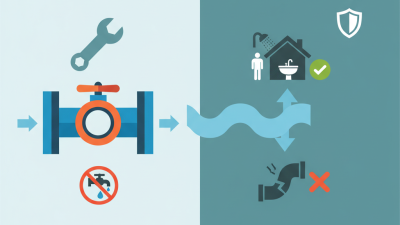
Innovative designs in plumbing can dramatically enhance performance in 2026. These advancements prioritize efficiency and durability, addressing common plumbing issues. New materials reduce the risks of corrosion and leaks, ensuring a longer lifespan for water pipe fittings. Streamlined shapes enhance water flow, significantly improving system performance.
**Tips:** Invest in quality fittings to prevent future repairs. Even minor leaks can escalate over time. Inspect your plumbing regularly; early detection can save significant costs.
Smart plumbing solutions also incorporate eco-friendly technologies. Water-saving features are becoming standard in many designs. This shift aligns with sustainable practices, benefiting both users and the environment. As designs evolve, so do installation practices. Proper installation is crucial for achieving optimal results.
**Tips:** Ensure proper sealing during installation. A poorly fitted joint can lead to inefficiencies and water loss. Stay updated on innovative practices to enhance your plumbing system. Regular maintenance is key to sustaining performance over time.
2026 Best Water Pipe Fittings for Efficient Plumbing Solutions
| Fitting Type |
Material |
Innovative Design Feature |
Efficiency Rating |
Durability (years) |
| Elbow Connector |
Copper |
Seamless Design |
A+ |
50 |
| Straight Coupling |
PVC |
Locking Mechanism |
A |
30 |
| Tee Fitting |
Brass |
Corrosion Resistance |
A+ |
40 |
| Adapter |
Stainless Steel |
Quick Connect |
A |
50 |
| Cross Fitting |
HDPE |
Flexible Design |
A- |
25 |
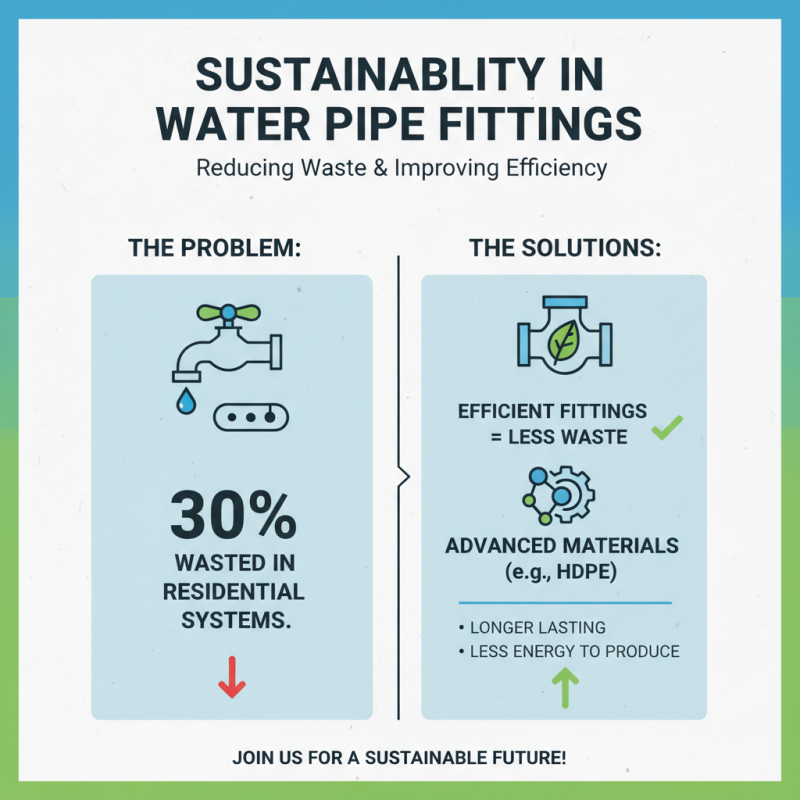
Sustainability in Water Pipe Fittings: Reducing Waste and Improving Efficiency
In modern plumbing, sustainability is a crucial focus, particularly in water pipe fittings. Research indicates that about 30% of water is wasted in residential systems. By using efficient fittings, we can significantly reduce this waste. Advanced materials, such as high-density polyethylene (HDPE), are becoming more popular. They not only last longer but also require less energy to produce.
The plumbing industry reports show that fittings made from recycled materials can cut carbon emissions by nearly 50%. Many manufacturers adhere to sustainability standards, ensuring that their products meet environmental guidelines. However, not all fittings achieve this. Consumers must remain vigilant and consider the source and lifecycle of the products they choose.
Another area for growth is the design of fittings. As they evolve, many fittings now include functionalities that avoid leaks. Even a small drip can waste gallons of water over time. While innovative designs are emerging, some traditional methods still dominate the market. The industry faces challenges in balancing old practices and new technologies, which often require significant investment. Continuous improvement is essential for achieving true sustainability.