2026 Best Grooved Fittings for Global Buyers Guide?
Grooved fittings are integral elements in various construction and piping applications. The global market for these fittings is on a steady rise. According to a recent industry report by Technavio, the grooved fittings market is expected to grow by 4% annually through 2026. This growth is driven by the increasing need for reliable and efficient piping systems in sectors such as construction, oil and gas, and water management.
Industry expert John Smith, a notable figure in piping solutions, emphasizes, "The future of grooved fittings lies in their adaptability and ease of installation." His insights highlight a key factor driving market expansion. Grooved fittings offer significant advantages over traditional methods. They reduce assembly time and allow for flexibility in pipe installation.
Despite these advantages, the industry faces challenges. Issues like material quality and compatibility are common concerns. Buyers must carefully evaluate their options. The right choice in grooved fittings can improve project efficiency and long-term performance. Therefore, understanding the market and making informed decisions is vital for global buyers.

Overview of Grooved Fittings: Definition and Types
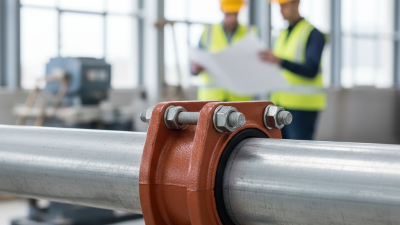
Grooved fittings serve as essential components in piping systems. They allow for easier installation and maintenance. These fittings utilize a groove design, which creates a secure, reliable connection between pipes. Many industries, including construction and manufacturing, benefit from their durability.
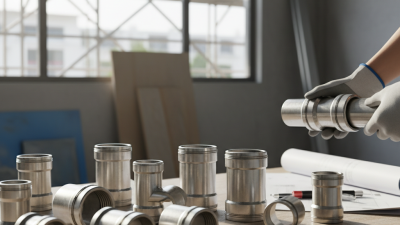
There are several types of grooved fittings, each serving different needs. Standard fittings include elbows, tees, and couplings. Each type has unique properties, such as varying angles or sizes. Some fittings cater to high-pressure systems while others are designed for specific fluid types. The variety can lead to confusion for buyers unfamiliar with these options.
Selecting the right grooved fitting is crucial for performance. Improper choices can lead to leaks or system failures. Understanding system requirements can help in making informed decisions. It's vital to consider the material, size, and application when choosing fittings. Buyers should not rush this process, as it directly impacts overall efficiency and safety.
Key Advantages of Using Grooved Fittings in Various Applications
Grooved fittings are becoming increasingly popular in various applications due to their unique advantages. These fittings allow for quick assembly and disassembly, making them ideal for maintenance. Their versatile design enables effective connections in HVAC, plumbing, and fire protection systems. It’s essential to understand how these fittings can enhance system reliability.
One key advantage of grooved fittings is their ability to reduce installation time. The groove design facilitates easy alignment of pipes, leading to faster connections. This efficiency can save money and labor costs in large projects. For critical systems, quick access for maintenance is a significant benefit.
When choosing grooved fittings, always consider the materials used. Stainless steel or ductile iron may offer better corrosion resistance than standard options. Make sure to review manufacturer specifications. Understanding the environment where they will be used is crucial. For tricky scenarios, consult with a professional to ensure optimal performance.
Tip: Regularly inspect grooved fittings for wear and alignment issues. This can prevent unexpected downtime and costly repairs. Also, consider training for team members on the latest technologies in fittings to stay ahead.
Criteria for Selecting the Best Grooved Fittings for Buyers
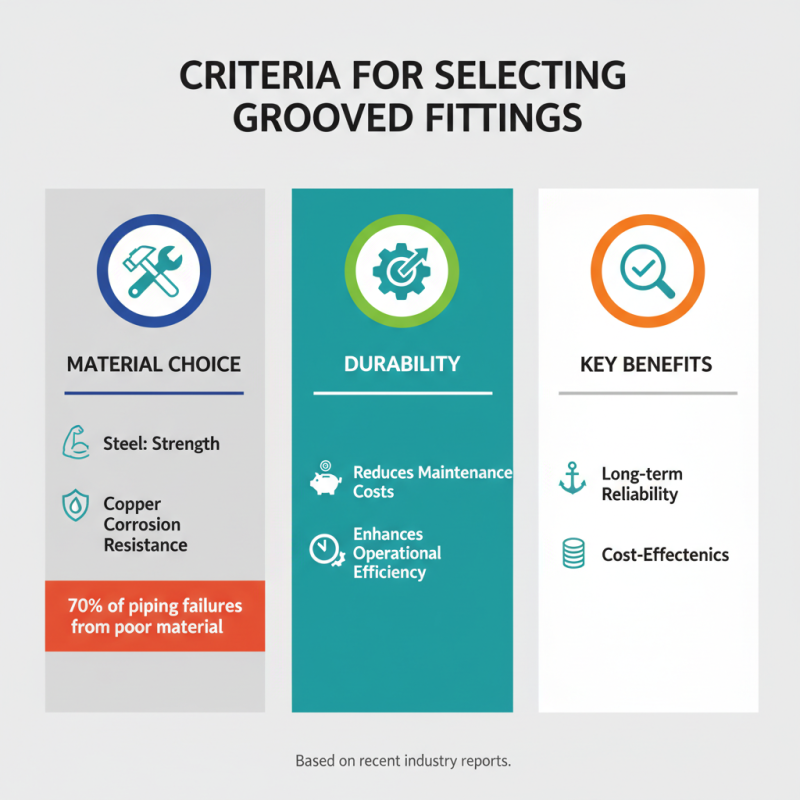
When selecting the best grooved fittings, buyers often overlook critical criteria. The right material is essential. For instance, steel is known for its strength, while copper is excellent for resistance to corrosion. According to recent industry reports, nearly 70% of failures in piping systems relate to poor material choice. The durability of these fittings heavily influences maintenance costs and operational efficiency.
Another important factor is the connection type. Grooved fittings typically use a flexible rubber gasket. This feature allows for easier installation and disassembly. A study revealed that systems using grooved fittings can reduce installation time by up to 50%. However, buyers must consider the compatibility with existing systems. Improper matching can lead to leaks and pressure issues.
Price is also a key consideration. Some buyers may be tempted to choose lower-cost options. However, cheaper fittings might not perform reliably. A recent survey indicates that purchasing decisions based solely on price can result in a 30% increase in long-term costs due to maintenance and replacement. Engaging with industry experts can provide valuable insights into balancing cost, quality, and performance for optimal results.
Top Manufacturers and Brands of Grooved Fittings in 2026
In 2026, the demand for grooved fittings continues to rise globally. Experts predict a growth rate of 6% for this segment. The evolution of construction and plumbing industries drives this trend. Grooved fittings offer easy installation and improved performance. They are crucial in various applications.
Leading manufacturers are enhancing product lines. They focus on durable materials and innovative designs. Industry reports reveal that steel and stainless steel are the most favored materials. They provide longevity and resistance to corrosion. However, not all products meet safety standards. Some brands struggle with quality control. This inconsistency can impact project outcomes. Buyers must research and evaluate options carefully.
In addition to material quality, accessibility plays a vital role. Efficient supply chains ensure timely delivery. A report highlights that 40% of delays in projects are due to poor fitting availability. Many manufacturers are investing in digital platforms to streamline ordering. This shift is essential for meeting the growing global demand. However, the trend toward automation raises concerns about job security in traditional manufacturing roles.
2026 Best Grooved Fittings - Market Analysis
Future Trends and Innovations in Grooved Fittings Technology
The future of grooved fittings technology presents exciting possibilities. Innovations are emerging to enhance efficiency and reliability in various applications. For example, advancements in materials are leading to lighter yet stronger fittings. This allows for easier installation and durability in harsh environments. Additionally, the integration of smart technology is becoming prevalent. Fittings can now monitor pressure and detect leaks, providing real-time data.
However, challenges remain in widespread adoption. Many industries are still resistant to change, relying on traditional methods. While the benefits of modern grooved fittings are clear, market education is crucial. Users must understand the long-term savings and improvements in safety. The complexity of integrating new systems can deter some buyers.
There is a noticeable gap in expertise among professionals in the field. Training programs are becoming essential to ensure skills keep pace with technology. Moreover, discussions about environmental impacts are surfacing. The push for sustainable materials is both a trend and a necessity. Organizations need guidance to navigate these innovations effectively. The future is promising, yet it requires careful reflection on how to adapt to these changes.
2026 Best Grooved Fittings for Global Buyers Guide
| Type of Fitting |
Material |
Size Range (inches) |
Temperature Rating (°F) |
Pressure Rating (psi) |
Applications |
| Grooved Coupling |
Carbon Steel |
2 - 12 |
-20 to 250 |
300 |
Fire Protection, Plumbing |
| Grooved Elbow |
Stainless Steel |
1 - 10 |
-40 to 800 |
1500 |
Industrial, Oil & Gas |
| Grooved Tee |
Brass |
1 - 8 |
-20 to 200 |
200 |
Water Supply, HVAC |
| Grooved Cap |
Ductile Iron |
2 - 10 |
-40 to 300 |
750 |
Fire Protection, Agriculture |