
Choosing the right Full Engine manufacturer is rarely a simple price comparison. Global buyers must examine engineering depth, production consistency, testing standards, and long-term support. A powerful engine may look impressive on paper. Yet reliability is proven in heat, dust, vibration, and long working hours.
Henry Ford, a major figure in industrial engine and vehicle manufacturing, once said, “Quality means doing it right when no one is looking.” This principle still matters. A dependable supplier should document material quality, assembly controls, emissions compliance, and performance testing. Buyers should also inspect warranty terms, spare-parts availability, technician training, and delivery capability. These details often decide whether an engine remains productive or becomes an expensive delay.
This guide introduces ten leading Full Engine manufacturers for international buyers. The selection considers reputation, product range, manufacturing experience, technology, service networks, and suitability for different applications. Some companies excel in heavy-duty transport. Others focus on marine systems, construction equipment, agriculture, or power generation. No ranking is perfect. Market conditions change. Product performance can also vary by model, factory, fuel, and local service quality.
A careful buyer should request test reports and confirm specifications before signing a purchase agreement. Small differences matter. Cooling capacity, fuel efficiency, noise levels, and maintenance access can affect daily operating costs. The best manufacturer is not always the largest name. It is the partner that can deliver consistent Full Engine performance, clear technical communication, and practical support after installation.
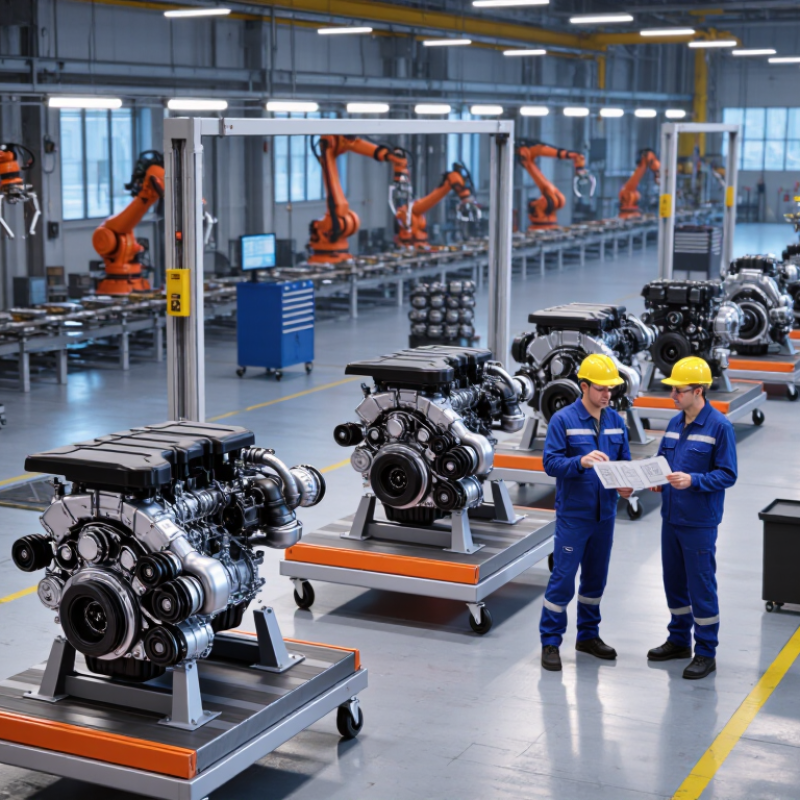
Evaluating full engine manufacturers for global buyers requires more than comparing horsepower and quoted prices. The real test begins with operating conditions. Buyers should examine fuel quality, ambient temperature, altitude, duty cycle, and maintenance access. A reliable manufacturer explains these limits clearly. It does not hide behind attractive specifications.
Practical evidence matters. Reviewers can request verified test records, cold-start results, load performance data, and vibration measurements. Factory quality controls should cover machining accuracy, assembly checks, and end-of-line testing. Documentation also deserves close attention. Installation drawings, parts lists, service intervals, and multilingual manuals reduce costly mistakes. Independent inspection adds confidence, especially when the buyer cannot visit the production site. Warranty terms should identify response times, exclusions, and replacement procedures.
Global suitability includes regulatory and supply considerations. The engine must match local emissions rules, fuel standards, electrical systems, and import documentation. Parts availability matters after the sale. A low purchase price means little if a basic sensor takes months to replace. Evaluators may score technical support, technician training, cybersecurity for connected systems, and long-term operating costs. However, no scorecard is perfect. Test conditions can differ from real worksites, and supplier references may be selective. Buyers should compare several sources and record every assumption. A useful evaluation remains cautious, specific, and open to revision.

Global buyers often compare complete engines by application, not brochure size. The strongest manufacturers usually specialize in one demanding field. Heavy-duty road engines lead in torque, service reach, and fuel efficiency. Marine engine makers focus on corrosion control, steady load, and compact maintenance access. Industrial suppliers often deliver engines for pumps, compressors, and construction equipment. Agricultural specialists prioritize low-speed pulling power, simple controls, and long field operation.
Ten manufacturer groups stand out across these markets. Heavy-truck engine producers serve fleets with strict uptime targets. Marine specialists support workboats and commercial vessels. Agricultural engine manufacturers build for tractors and harvesters. Construction engine suppliers handle dust, vibration, and irregular loads. Power-generation manufacturers emphasize stable frequency and rapid response. Compact-engine makers support small machinery and portable equipment. Mining specialists design for high loads and harsh sites. Gas-engine producers target cleaner stationary power. Hybrid powertrain manufacturers combine engines with electric systems. Industrial diesel experts provide adaptable units for pumps and factory equipment.
Experience matters during selection. Ask for regional service records, parts availability, testing data, and installation guidance. A strong supplier should explain cooling capacity, duty cycles, emissions compliance, and expected maintenance intervals. Request operating references from climates similar to yours. Cold starts reveal weaknesses. So does desert dust. No list is flawless. Market leadership changes by region, fuel type, and support quality. Buyers may also underestimate wiring, mounts, and calibration costs. A reliable engine is only part of a dependable power system.
Choosing among the 10 best full engine manufacturers requires more than comparing horsepower. Buyers should match engine architecture with operating conditions, fuel access, and service capability. Diesel engines remain practical for heavy construction, mining, agriculture, and remote power generation. Natural-gas engines can reduce local emissions where reliable gas infrastructure exists. Electric and hybrid systems suit urban vehicles, warehouses, and short-cycle equipment.
The market is changing quickly. OICA reported 93.5 million motor vehicles produced worldwide in 2023, showing the scale of global engine demand. The IEA’s Global EV Outlook 2024 recorded nearly 14 million electric car sales in 2023. That growth affects commercial fleets, but it does not eliminate demand for combustion engines. Long-haul transport, marine propulsion, and high-load generators still require dense, dependable energy. Sometimes, the obvious choice fails.
Marine buyers should examine fuel efficiency, corrosion protection, and compliance with the IMO 2023 greenhouse-gas strategy. Data-center operators need standby engines with rapid start times, load stability, and tested maintenance plans. Agricultural users often value torque at low speed, simple diagnostics, and field-repair access. Construction fleets need cooling performance under dust and high ambient temperatures
The table compares ten established engine-manufacturing segments rather than ranking named suppliers. Output figures are indicative ranges for common engine products; actual ratings vary by model, duty cycle, emissions specification, and configuration.
| Engine Manufacturing Segment | Core Engine Types | Typical Output Range | Common Applications | Industries Served | Key Buyer Considerations |
|---|---|---|---|---|---|
| Heavy-Duty On-Highway Diesel | Turbocharged, direct-injection four-stroke diesel engines | Approximately 150–600 kW per engine | Long-haul trucks, regional freight vehicles, coaches, and heavy vocational trucks | Road freight, public transport, construction services, and municipal operations | Fuel consumption, emissions compliance, service intervals, vehicle integration, and parts support |
| Medium-Duty Commercial Diesel | Four- or six-cylinder turbocharged diesel engines | Approximately 75–300 kW per engine | Delivery trucks, buses, emergency vehicles, and medium-duty work vehicles | Logistics, transit, utilities, emergency services, and small commercial fleets | Payload requirements, operating cost, local emissions rules, and availability of maintenance support |
| Off-Highway Diesel | Turbocharged diesel engines designed for mobile or stationary industrial duty | Approximately 20–1,500 kW per engine | Excavators, loaders, agricultural tractors, mining equipment, and industrial machinery | Construction, agriculture, mining, forestry, and material handling | Duty cycle, cooling and filtration needs, fuel quality, emissions tier, and equipment compatibility |
| Passenger-Vehicle Gasoline | Inline or V-type spark-ignition engines, including turbocharged and hybrid-compatible designs | Approximately 50–400 kW per engine | Passenger cars, sport utility vehicles, and light crossovers | Automotive manufacturing, vehicle assembly, and mobility services | Fuel economy, packaging, emissions certification, production scale, and integration with vehicle systems |
| Light-Commercial Diesel | Compact turbocharged, direct-injection diesel engines | Approximately 50–300 kW per engine | Vans, pickups, light trucks, and selected utility vehicles | Last-mile delivery, trades, agriculture, and commercial fleet operations | Low-speed torque, durability, fuel efficiency, emissions after-treatment, and regional service coverage |
| Natural-Gas Reciprocating Engines | Spark-ignition or lean-burn engines using pipeline natural gas or other methane-rich fuels | Approximately 100 kW–10 MW per engine | Power generation, combined heat and power, gas compression, and industrial drives | Utilities, oil and gas, manufacturing, district energy, and commercial facilities | Gas composition, efficiency at part load, emissions controls, grid requirements, and heat-recovery potential |
| Low-Speed Marine Diesel | Large, slow-running two-stroke crosshead diesel engines, commonly configured for direct propeller drive | Approximately 5–80 MW per engine | Propulsion for large cargo ships, tankers, and other ocean-going vessels | Commercial shipping, maritime transport, and shipbuilding | Vessel speed and load profile, fuel options, space requirements, emissions rules, and lifecycle service |
| Medium-Speed Marine Engine | Four-stroke medium-speed diesel or dual-fuel engines | Approximately 0.5–20 MW per engine | Ship propulsion, onboard electricity generation, ferries, and offshore support vessels | Commercial marine, ferry operations, offshore energy, and port services | Propulsion or generator configuration, fuel flexibility, vibration, maintenance access, and classification requirements |
| Rail Traction Diesel | Heavy-duty turbocharged diesel engines for locomotive traction or onboard power | Approximately 1–4 MW per engine | Freight locomotives, passenger locomotives, and diesel-electric rail vehicles | Freight rail, passenger rail, rail maintenance, and industrial railways | Traction duty cycle, overhaul intervals, emissions standards, cooling design, and rail-system integration |
| Industrial Gas Turbine | Industrial gas turbines, including simple-cycle and combined-heat-and-power configurations | Approximately 1–50 MW per unit for common industrial packages | Mechanical drives, distributed power generation, and combined heat and power plants | Utilities, oil and gas, manufacturing, energy infrastructure, and large facilities | Site altitude and temperature, fuel supply, start-up requirements, efficiency, maintenance plan, and grid connection |
Global buyers should compare full engine manufacturers through verified performance, not polished brochures. Request test reports for fuel consumption, emissions, torque stability, and cold-start behavior. A reliable supplier can explain each result clearly. Ask for references from similar climates and duty cycles.
Quality depends on materials, machining accuracy, assembly controls, and final inspection. Look for documented standards, traceable components, and practical warranty terms. Technology matters too. Electronic controls, remote diagnostics, and efficient cooling can reduce downtime. However, advanced systems may require trained technicians and specialized tools. More technology is not always better.
Pricing needs a wider view. Compare the engine, control unit, shipping, installation, spare parts, training, and five-year maintenance costs. A low quotation can become expensive after an unavailable sensor stops production. Support should include response times, local inventory, service manuals, and multilingual communication. Test the support team before signing; send technical questions and measure the answer quality. Small details reveal a lot.
Some buyers overvalue peak power. Real operating loads matter more. Site altitude, ambient temperature, fuel quality, and maintenance habits can change results. Independent inspection is worth considering, although it adds time and cost. No comparison is perfect. Forecasts can still miss supply delays or technician turnover. Experienced buyers leave room for these weaknesses and negotiate clear remedies.
EU Stage V maximum NOx emissions for non-road diesel engines, by net power category (g/kWh). These regulatory limits provide a consistent technology benchmark for global buyers; they do not rank individual manufacturers.
Lower limits indicate stricter emissions requirements. Compare certification, lifecycle cost, parts availability, and service coverage separately when evaluating suppliers.
Choosing a full engine manufacturer requires more than comparing prices on a spreadsheet. Buyers should verify production experience, engineering capability, and quality controls. Ask how long the factory has produced similar engines. Request evidence, not polished promises.
A factory audit can reveal important details. Check machining areas, assembly lines, test benches, and parts storage. Look for clean workspaces, calibrated instruments, and clear serial-number tracking.
Numbers matter. Each engine should have documented test results, including oil pressure, temperature, vibration, and fuel consumption. Independent inspection can strengthen confidence, especially for large orders.
Technical support also deserves careful attention. Confirm spare-parts availability, warranty terms, installation guidance, and response times before signing a contract. Ask whether the manufacturer can adapt cooling systems, mounting dimensions, control units, or emissions configurations for your market.
Look closer. A low purchase price may become expensive when basic components take months to arrive. In supplier reviews, I have seen buyers focus heavily on horsepower while overlooking service capacity and operator training. That gap matters.
It is also worth checking export documentation, packaging methods, production lead times, and references from comparable customers. A supplier may meet every technical requirement yet still struggle with communication or after-sales follow-up. Buyers should test this early by sending detailed questions and measuring the quality of each reply. No manufacturer is perfect. The better choice is usually the one that explains limitations clearly, provides traceable records, and supports realistic expectations.