2026 Best Fruit Jelly Cups for Global Buyers Needs?
The global market for Fruit Jelly Cups has been witnessing remarkable growth. According to a report by Market Research Future, this segment is expected to reach a valuation of $1.5 billion by 2026. Major factors include the rising consumer demand for convenient and tasty snacks. Additionally, health-conscious choices are shaping purchasing trends. Consumers seek options with natural flavors and organic ingredients.
Market analysis shows increasing interest in innovative packaging and diverse flavor offerings. Companies are investing in R&D to meet these consumer preferences. However, challenges exist. Many brands struggle to maintain quality while scaling production. Consumer feedback often highlights concerns about artificial additives and transparency in ingredient sourcing. These factors create opportunities for brands focused on clean label products.
For global buyers, understanding these dynamics is crucial. Selecting the right Fruit Jelly Cups involves more than taste. Quality, sourcing, and brand reputation matter significantly. With demand growing, it is an exciting time for both producers and consumers in this delicious segment.
Overview of Fruit Jelly Cups: A Global Perspective
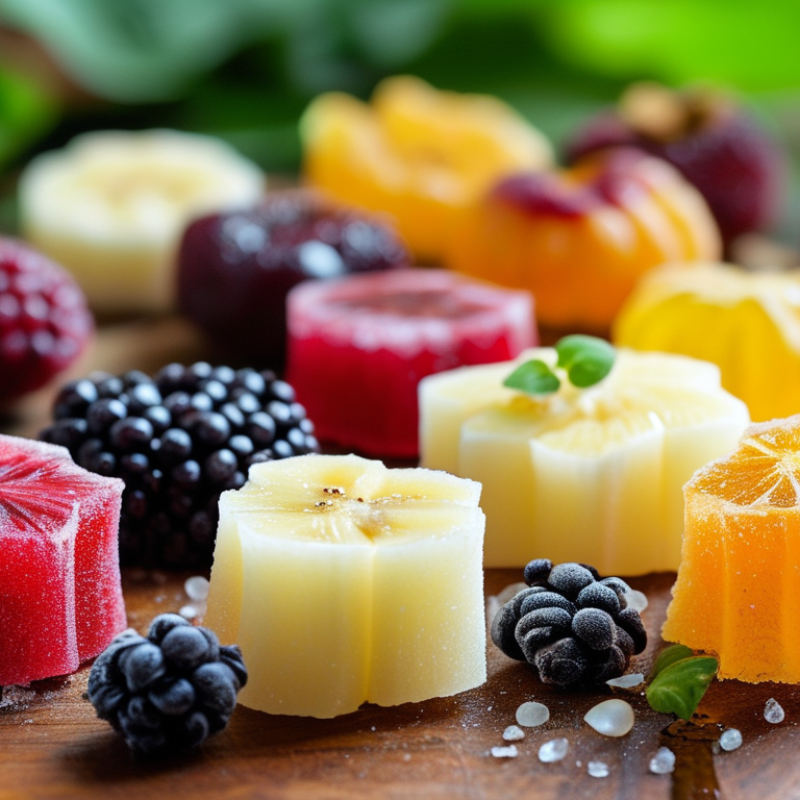
Fruit jelly cups have gained global popularity due to their vibrant colors and delightful flavors. Market data shows that the global fruit jelly market is expected to reach USD 1.5 billion by 2026, growing at a CAGR of 5.2%. This growth reflects an increasing consumer demand for convenient, ready-to-eat snacks. Health-conscious buyers are particularly drawn to fruit jelly cups made with natural ingredients and lower sugar content.
Many consumers appreciate the versatility of fruit jelly. It can be enjoyed as a snack, dessert, or even as part of a meal. However, sourcing high-quality fruit jelly cups remains a challenge. Product offerings can vary greatly in taste, texture, and ingredients. Some buyers may face the issue of inconsistent quality across different suppliers. It's important to evaluate suppliers carefully to ensure consistency and quality.
To select the best fruit jelly cups, consider these tips: Look for products with real fruit puree rather than artificial flavors. Check for certifications or quality assurances from manufacturers. Finally, be mindful of packaging sustainability. The global market increasingly prefers environmentally friendly options. A commitment to quality not only enhances customer satisfaction but also strengthens market trust.
Key Ingredients and Varieties of Fruit Jelly Cups
The fruit jelly cup market is evolving, reflecting diverse global preferences. Key ingredients include fruit pulp, gelatin, and natural sweeteners. According to recent market analysis, over 45% of fruit jelly cup consumers prioritize natural ingredients. This trend caters to health-conscious buyers who seek options free from artificial additives.
Varieties of fruit jelly cups are abundant. From tropical flavors like mango and passion fruit to classic favorites such as strawberry and raspberry, the choices cater to different palates. The versatility of these products allows for innovative flavor combinations. Interestingly, 30% of consumers express a desire for seasonal or limited-edition flavors, hinting at a market opportunity for fresh, unique offerings.
However, challenges exist in the production process. Sourcing high-quality fruit consistently can be difficult. Quality control is essential to ensure that flavor and texture meet consumer expectations. Sustainability concerns also arise, especially in packaging materials. The industry must address these challenges while catering to growing consumer demands for transparency and quality. The balance between traditional recipes and modern consumer preferences remains a topic of discussion among producers.
2026 Best Fruit Jelly Cups for Global Buyers Needs
| Fruit Type | Key Ingredients | Flavor Profile | Color | Texture |
| Strawberry | Natural Strawberry Extract, Sugar, Pectin | Sweet, Slightly Tart | Bright Red | Smooth, Gel-like |
| Mango | Mango Puree, Sugar, Citric Acid | Tropical, Sweet | Golden Orange | Soft, Jello-like |
| Peach | Peach Juice, Sugar, Agar-Agar | Sweet, Mildly Citrus | Pale Yellow | Gelatinous, Smooth |
| Grape | Grape Concentrate, Sugar, Pectin | Sweet, Fruity | Deep Purple | Thick, Silky |
| Raspberry | Raspberry Puree, Sugar, Pectin | Tart, Refreshingly Sweet | Vibrant Red | Gel-like, Delicate |
Market Trends and Consumer Preferences in Fruit Jelly Industry
The fruit jelly industry is witnessing significant shifts in consumer preferences. Consumers are gravitating towards healthier options, moving away from artificial additives. This trend highlights the demand for natural ingredients and cleaner labels. Brands that prioritize transparency in sourcing and production are gaining trust. Eco-friendly packaging is also becoming a vital consideration for many buyers.
To appeal to today's health-conscious consumers, producers should focus on using real fruit extracts. Experimenting with unique flavor combinations can attract adventurous eaters. For instance, blending exotic fruits with traditional flavors might create buzz. However, not all new ideas resonate with everyone. Some consumers may prefer classic tastes over novel blends.
Creating educational content about the benefits of fruit jelly can strengthen customer loyalty. Share insights on the nutritional value of ingredients. Highlight how fruit jelly can be a delightful but nutritious snack. It's important to consider not just preferences but also dietary restrictions. Options that cater to vegan or gluten-free diets are essential for a diverse market. Being attentive to these factors can enhance brand credibility.
Packaging Innovations for Fruit Jelly Cups in Global Markets
The landscape of packaging for fruit jelly cups is evolving rapidly. Innovative designs cater to the diverse preferences of global consumers. Sustainable materials are gaining traction, reflecting a growing demand for eco-friendly options. Biodegradable films and recyclable containers are becoming popular choices. These changes resonate well with environmentally conscious buyers.
Consumer engagement is increasingly vital. Packaging that is visually appealing often drives initial purchases. Clear labeling and vibrant colors can attract younger audiences. Interactive elements, like QR codes linking to recipes or nutritional information, enhance the user experience. However, manufacturers often struggle to balance aesthetics with functionality.
Market trends indicate a shift towards convenience. Single-serving sizes are in high demand. Packaging that is easy to open but remains secure is crucial. Many consumers seek portable options for on-the-go lifestyles. It can be challenging to achieve durability without sacrificing design. As brands experiment, they must ensure that innovations do not complicate the user experience.
Global Fruit Jelly Cup Market Trends (2026)
This chart illustrates the projected market share of fruit jelly cups across different global regions in 2026. North America and Europe are expected to dominate the market, while the other regions will have a smaller share.
Top Brands and Regional Players in the Fruit Jelly Cup Market
The global fruit jelly cup market displays a diverse landscape of brands and regional players. Countries like the United States, Japan, and Brazil lead the market. Each region has unique preferences that influence product offerings. For instance, tropical flavors are gaining traction in Asian markets, while berry varieties are more popular in North America.
Regional players often adapt to local tastes. This creates opportunities for innovation. In Europe, for example, there is a rise in organic and all-natural options. Consumers are becoming more health-conscious. This could pose challenges for traditional brands. They may need to rethink their formulations.
Quality is a crucial factor. Buyers prioritize texture and flavor. However, some brands struggle with consistency. That's an area where improvement is necessary. Balancing taste with health benefits remains a complex task. The market may benefit from clearer labeling to help consumers make informed choices.