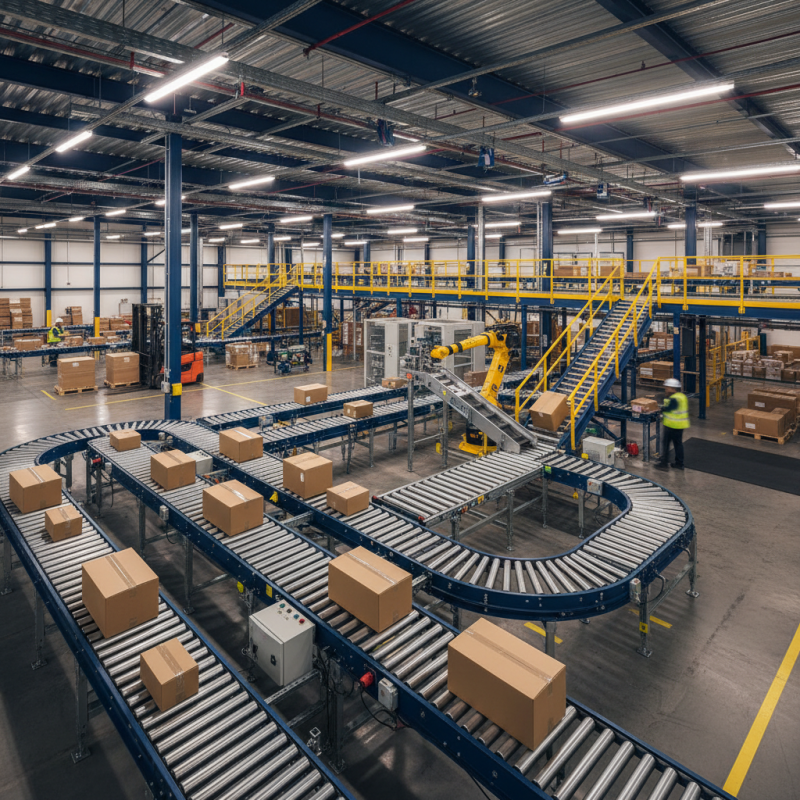
What is the Best Conveyor Systems for Sale Today?
When searching for conveyor systems for sale, it's crucial to find options that meet your specific needs. Industries rely on these systems for efficiency and productivity. A well-chosen conveyor system can streamline operations, reduce costs, and enhance output.
Many businesses face challenges when selecting the right conveyor system. With numerous options available, how do you navigate the choices? Each system comes with unique features and specifications that can affect performance. Understanding these elements is essential to making informed decisions.
Ultimately, aim for a conveyor system that aligns with your operational goals. Prioritize quality and reliability in your options. As you explore the market, reflect on your requirements and the long-term impact of your investment. The right choice can lead to significant improvements in workflow and efficiency.
What are the Key Types of Conveyor Systems Available for Purchase?
When considering the purchase of conveyor systems, it's essential to understand the main types available. Each type serves unique purposes and fits various industries. Belt conveyors are widely used for transporting materials across distances. They are versatile and easy to maintain. However, in heavy-duty applications, they can wear out quickly, requiring regular inspection.
Another popular option is roller conveyors. These systems are particularly effective for moving heavy items or boxes. They rely on gravity or powered rollers. While they offer efficient movement, their design can limit flexibility in layout. Proper planning is crucial to avoid bottlenecks.
Chain conveyors are also significant. They excel in handling products with irregular shapes. Their robustness allows them to support high loads. However, their installation can be more complex. Additionally, they may need special maintenance to ensure reliability. Understanding these types helps in making informed decisions for your operational needs. Consider the unique challenges and advantages of each system.
Evaluating Conveyor System Efficiency: Speed, Load Capacity, and Durability
When evaluating conveyor systems, three key factors stand out: speed, load capacity, and durability. Speed is crucial for maintaining efficient workflows in production environments. A system that operates quickly can significantly enhance throughput. However, high speed can also lead to more wear and tear. It's essential to find a balance between speed and longevity.
Load capacity is another critical consideration. Conveyor systems must withstand varying weights while maintaining efficiency. Systems designed for heavier loads often come with reinforced materials. Yet, their heavy-duty nature may lead to increased costs and potential space constraints. Investing in the right system involves careful assessment of your operational needs.
Durability ties in closely with both speed and load capacity. A robust conveyor system should endure daily operations with minimal maintenance. However, not all materials are created equal; some may corrode under specific conditions. It's vital to analyze the environment where the conveyor will operate. Factors like temperature, humidity, and exposure to chemicals can affect durability. Proper research and understanding of these aspects will lead to smarter purchasing decisions.
Top Manufacturers of Conveyor Systems: Market Share and Innovations
In the conveyor systems market, understanding top manufacturers is crucial. Data from recent industry reports indicate that the market is projected to grow at a CAGR of 4.5% through 2027. This growth is fueled by innovations in automation and smart technologies. Companies are now integrating advanced sensors and IoT capabilities into their systems, enhancing efficiency and operational insights.
Many manufacturers focus on sustainability. They've started utilizing eco-friendly materials in their conveyor designs. This initiative not only reduces environmental impact but also appeals to eco-conscious clients. Nonetheless, some companies still face challenges in balancing cost and innovation. It is essential to analyze these aspects before making a purchasing decision.
**Tip**: Always assess the specific needs of your operations before choosing a conveyor system. Engaging with experts or industry reports can provide valuable insights. Another consideration is the compatibility of new technologies with existing equipment. Innovation shouldn't come at the expense of operational downtime. Make informed choices to ensure a seamless integration process.
Comparative Analysis of Conveyor System Costs and ROI for Businesses
Choosing the right conveyor system is crucial for cost-efficiency and return on investment (ROI). Businesses must evaluate different systems based on their unique needs. The initial cost of a conveyor system can vary widely. Simple belt systems may be cheaper, while more advanced automation solutions are pricier. It’s essential to consider long-term benefits over upfront costs.
Understanding ROI is also critical. An ideal conveyor system should improve productivity and reduce manual labor costs. Some companies found that a new system paid for itself in just months. However, others faced unexpected maintenance expenses. Continuous evaluation and adjustment are necessary.
Tips: Always analyze your current throughput. This can guide you on whether to upgrade or maintain. Regular maintenance checks ensure longevity and efficiency. It’s wise to consult experts for tailored recommendations. They can provide insights into effective integration with existing processes. Reviewing case studies can also offer valuable lessons learned by others in your industry.
What is the Best Conveyor Systems for Sale Today? - Comparative Analysis of Conveyor System Costs and ROI for Businesses
| Conveyor Type | Cost (per meter) | Installation Cost (Total) | Maintenance Cost (Annual) | Expected Lifespan (Years) | ROI (Years) |
| Belt Conveyor | $30 | $3000 | $200 | 10 | 3 |
| Roller Conveyor | $45 | $4500 | $250 | 8 | 4 |
| Chain Conveyor | $50 | $5000 | $300 | 12 | 5 |
| Magnetic Conveyor | $70 | $7000 | $350 | 10 | 6 |
| Pneumatic Conveyor | $80 | $8000 | $400 | 15 | 7 |
Future Trends in Conveyor Technology: Automation and Sustainability Insights
The landscape of conveyor technology is evolving rapidly. Today, automation is at the forefront. Automated conveyor systems streamline logistics and reduce labor costs. According to a recent report by the Association for Packaging and Processing Technologies, automated systems improve efficiency by up to 30%. This shift not only enhances productivity but also minimizes human error.
Another essential trend is sustainability. The demand for eco-friendly conveyor systems is growing. Statistics show that sustainable practices can reduce operational costs by nearly 20%. Companies are now investing in energy-efficient motors and recyclable materials. However, the transition may not be seamless. Implementing these technologies requires upfront investment. Some businesses may hesitate due to this cost.
Moreover, integrating new technology can be complex. Training staff to operate advanced systems is essential yet often neglected. A survey by the International Federation of Robotics highlighted that nearly 40% of companies face skilled labor shortages. This gap can hinder the full potential of automation and sustainability efforts. Addressing these challenges is crucial for the future of conveyor technology.