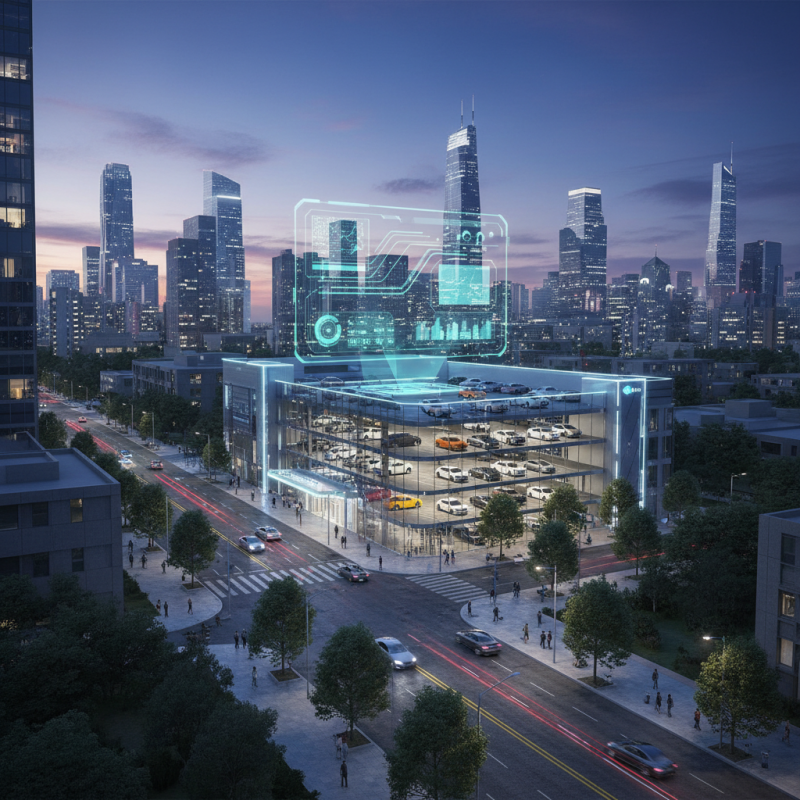
What are the Benefits of Automated Parking Management Systems?
Automated Parking Management Systems (APMS) are transforming urban landscapes. According to Dr. Jane Thompson, a leading expert in smart city technologies, "APMS can reduce parking time by 50%." This technology improves efficiency and enhances user experience.
These systems utilize advanced algorithms and sensors to streamline parking operations. Users benefit from real-time data, minimizing frustration associated with finding parking. With growing urban populations, the demand for innovative solutions is clear.
However, it's essential to address potential challenges. The initial investment and integration with existing infrastructure can deter some cities. Reflecting on these points ensures a balanced view of Automated Parking Management Systems. Despite these issues, the long-term advantages, such as reduced traffic congestion, are undeniable.
Overview of Automated Parking Management Systems
Automated Parking Management Systems (APMS) are revolutionizing urban parking. They offer optimized vehicle storage and streamlined operations. According to a report by the International Parking Institute, these systems can reduce parking search times by 30% and increase parking capacity by 20%. This is vital in bustling cities where space is limited.
An APMS employs sensors and software. These technologies communicate real-time data to users. They can find available spots quickly. However, challenges exist. Not all cities have embraced this technology. Infrastructure adaptations can be expensive and time-consuming. Some municipalities still rely on traditional methods, which could lead to inefficiencies.
While the benefits are evident, not every implementation has been flawless. Reports indicate that some users struggle with new interfaces. Training is often lacking. Thus, while the potential of APMS is significant, proper execution requires careful planning and investment. Addressing these gaps will be crucial for wider acceptance and efficiency in urban environments.
Benefits of Automated Parking Management Systems
This chart illustrates the key benefits of Automated Parking Management Systems, showcasing their impact on various dimensions such as Space Utilization, Time Efficiency, Operational Cost Reduction, User Satisfaction, and Environmental Impact. The percentages represent the degree of impact each benefit delivers, highlighting the efficiency and effectiveness of automated systems in parking management.
Enhanced Efficiency and Space Utilization in Parking
Automated parking management systems improve efficiency and maximize space utilization significantly. With these systems, parking operations become more streamlined. Vehicles can be parked quickly and retrieved efficiently, reducing waiting times. This leads to a smoother flow of traffic, which is crucial in busy urban areas.
Parking spaces can often be underutilized due to inefficient layouts. Automated systems can optimize the arrangement of vehicles, stacking them in ways that manual parking cannot achieve. This innovative method can increase the total number of cars parked in a limited area. Additionally, automated systems can provide real-time data on space availability. Such insights enable drivers to find parking spots faster, decreasing congestion and air pollution.
However, while automated systems offer substantial benefits, they are not without challenges. High installation costs can deter some municipalities. Maintenance of technology is crucial, and any failure may lead to operational downtime. Continuous adaptation to user feedback and ongoing improvements in technology are necessary for these systems to reach their full potential. Embracing automation in parking can reshape urban transportation, but careful consideration is vital.
Cost Savings Associated with Automated Systems
Automated parking management systems offer significant cost savings for businesses and cities alike. These systems reduce the need for large parking lots, which often require extensive land use. By maximizing space efficiency, automated systems can help avoid costly expansions or construction projects. In urban settings, space is limited and expensive. An automated solution can transform underutilized areas into valuable parking spaces.
Maintenance costs are also lowered with these systems. Traditional parking garages often face wear and tear from constant vehicle traffic. In contrast, automated systems employ technology to minimize damage and reduce labor expenses. A decrease in staffing needs leads to substantial savings over time.
While implementing these systems can have upfront costs, the long-term savings are clear. It’s crucial to analyze return on investment before making a decision. Some may find the transition challenging due to initial resistance from users unfamiliar with automation. However, with proper education and adjustment periods, businesses can realize significant economic benefits in the long run.
Improved User Experience and Convenience
Automated parking management systems significantly enhance user experience and convenience. They simplify the parking process, making it easier for drivers to find available spaces. With real-time updates on parking availability, users can quickly determine which lots or garages are open. No more circling around searching for a space. This efficiency saves time and reduces frustration.
These systems often include mobile apps that allow users to reserve spots in advance. Users can pull into their designated space without delay. This feature is particularly beneficial in busy urban areas where parking is limited. Automated payment options further streamline the process, enabling hassle-free transactions.
However, not all users may find these systems perfect. Some may struggle with the technology, especially seniors or those less tech-savvy. This presents a learning curve and requires patience. Balancing technology with user-friendliness remains a challenge. Even with these complexities, automated parking management systems are paving the way for a smarter urban experience.
What are the Benefits of Automated Parking Management Systems? - Improved User Experience and Convenience
| Benefit | Description | Quantifiable Impact |
| Space Utilization | Maximizes the number of vehicles parked in a given area. | Up to 50% more spaces utilized. |
| Reduced Search Time | Speeds up the process of finding a parking spot. | Average search time reduced by 70%. |
| Enhanced User Experience | Provides an effortless parking process and navigation. | Increased user satisfaction ratings by 40%. |
| Cost Savings | Reduces operational costs through efficiency. | Operating costs lowered by 20% annually. |
| Data Analytics | Offers insights into parking patterns and demand. | Data-driven decisions improve system performance by 30%. |
Environmental Impact and Sustainability Benefits of Automation
Automated Parking Management Systems (APMS) not only enhance convenience but also contribute significantly to environmental sustainability. These systems reduce the space required for parking. By utilizing vertical and compact parking solutions, they can save land that might otherwise be used for traditional lots. This can lead to less glass, concrete, and asphalt being laid down, resulting in lower urban heat emissions.
Additionally, these systems optimize traffic flow in parking areas. Drivers spend less time searching for a spot, decreasing fuel consumption and lowering carbon emissions. Studies indicate that the reduction in idling time can lead to a substantial decrease in air pollution. This aspect of automation has real impacts on urban air quality, benefiting local communities.
However, it’s essential to reflect on some challenges. The development and installation of these systems involve significant initial resource use. If not managed sustainably, this could counteract some environmental benefits. Furthermore, the reliance on technology raises questions about potential job displacement for attendants. Continuous evaluation of these systems is necessary to ensure they serve both the environment and the society effectively.