Airport Fence Tips for Effective Security and Safety Measures?
Airport security is a critical factor in ensuring the safety of passengers and staff. An effective airport fence plays a vital role in this security framework. It acts as the first line of defense against unauthorized access, promoting a sense of safety within the airport environment.
The design and installation of airport fences must be carefully considered. There are various materials available, such as chain link, welded wire, and electric fencing. Each has its benefits and drawbacks. The ideal solution depends on the specific security needs and geographical location of the airport.
However, no security measure is foolproof. Challenges such as extreme weather and potential breaches must be acknowledged. Regular maintenance and assessments of the airport fence are essential. Airports need to be prepared for its limitations and constantly adapt to emerging threats. The fence serves as a barrier, but awareness and vigilance are equally important for comprehensive security.
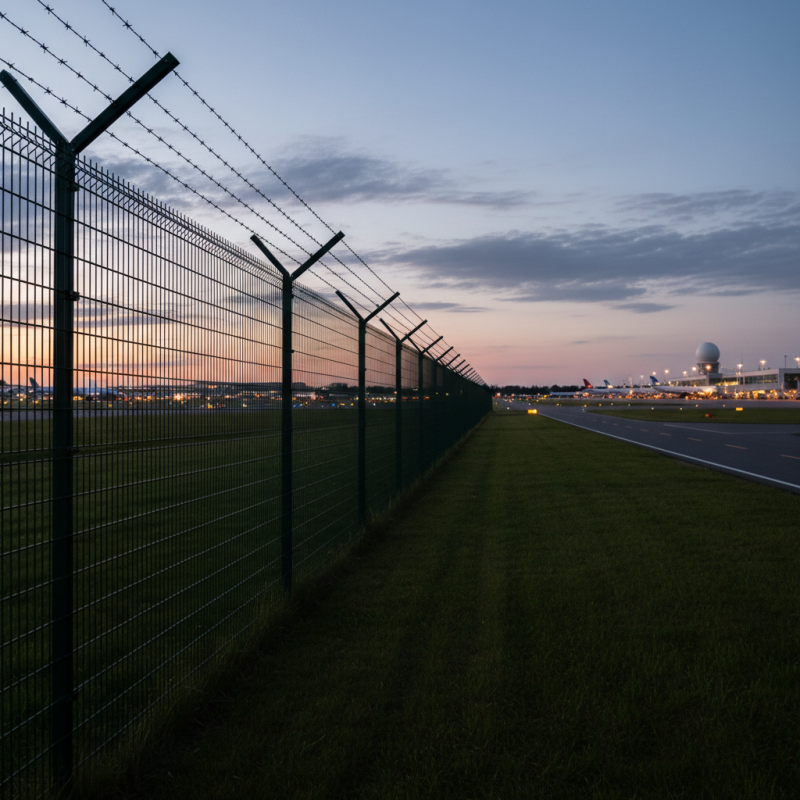
Airport Fence Types and Their Role in Aviation Security Standards
Airport fences play a crucial role in ensuring aviation security. They serve as the first line of defense against unauthorized access. Common types include chain-link, barbed wire, and security mesh fences. Each type has its unique benefits and limitations. For instance, while chain-link fences are affordable, they may not deter determined intruders. Adding barbed wire can enhance their effectiveness, but it might pose a risk to wildlife.
The presence of surveillance cameras and security personnel near fences adds another layer of protection. However, visibility can sometimes be hindered by landscaping or equipment close to the fence line. Regular maintenance is crucial to ensure that fences remain functional and effective. Even small gaps or damages can compromise security.
An effective fence must comply with aviation security standards. Authorities expect airports to adopt best practices while remaining adaptable to new threats. Continuous assessment of fence types and their effectiveness is necessary. Airports must reflect on their current systems and consider improvements. Security is a never-ending process.
Key Regulations Governing Airport Perimeter Fencing and Security Protocols
Airport perimeter fencing is crucial for ensuring safety and security. Various regulations guide the installation and maintenance of such fences. These guidelines often specify the height, materials, and design of the fencing. For instance, a minimum height of eight feet is common. Barbed wire or other deterrents may be included for added security.
Inconsistencies in fencing can create vulnerabilities. Regular inspections are necessary to identify weaknesses. Some airports neglect routine checks. This oversight can lead to breaches, putting safety at risk. Additionally, local laws might require specific security measures that could differ from federal mandates. Operators must stay compliant with these regulations, or face penalties.
Detection systems are equally important. Many airports now use motion sensors and surveillance cameras. These technologies can help monitor the perimeter effectively. However, over-reliance on technology may lead to complacency. A balanced approach with both physical barriers and active monitoring is essential for comprehensive security management.
Airport Fence Tips for Effective Security and Safety Measures
| Regulation | Description | Recommended Height (ft) | Material | Additional Features |
| Federal Aviation Administration (FAA) | Regulates security measures for all US airports, including perimeter fencing. | 8-12 | Chain Link, Barbed Wire | Surveillance Cameras, Lighting |
| Transportation Security Administration (TSA) | Provides guidelines and assessments to ensure perimeter security. | 10-15 | Steel, Concrete | Access Control Systems, Alarms |
| Local Airport Authority | Implements additional security measures as required by local regulations. | 8-14 | Welded Wire Fencing | 30" Barbed/Wire Topping |
| International Civil Aviation Organization (ICAO) | Sets international standards for airport security fencing. | 10-15 | Electrified Fencing | Integrated Alarm Systems |
Assessing the Effectiveness of Different Fence Materials in Airport Safety
Airport security relies heavily on effective fencing. Selecting the right material is crucial for overall safety. Various reports indicate that welded wire fencing offers robust protection. It deters intruders with its strong structure. However, it's also worth noting that not all materials perform equally well.
Chain-link fencing remains a common choice. While affordable and easy to install, it lacks the strength of welded wire. A 2021 study by industry experts found that chain-link fences could be easily cut. This raises concerns about their effectiveness. Airports need to evaluate their fencing materials carefully.
Another option is electric fencing. This can provide a high level of deterrence. However, it poses risks. If not monitored, it can lead to accidents. Incidents involving electric shocks have been reported. It highlights the need for a balanced approach to airport security measures. Evaluating these materials through real-world scenarios is essential for better outcomes.
Integrating Technology: Using Sensors and Cameras with Airport Fences
Airport security is a complex challenge. Integrating technology, such as sensors and cameras, can greatly enhance perimeter protection. A recent industry report highlighted that 70% of security breaches occur at the airport fence and periphery. This data underscores the critical role technology plays in preventing unauthorized access. By using advanced sensors, airports can achieve faster detection of intrusions.
Surveillance cameras are crucial. They provide real-time monitoring of airport perimeters. With high-resolution night vision capabilities, they can cover extensive areas, reducing blind spots. According to research, facilities using integrated camera systems report a 50% reduction in unauthorized attempts. These systems also allow for immediate alerts to security personnel, facilitating a quicker response.
Tips for effective security measures include regular maintenance of fencing and technology. Ensure sensors are calibrated correctly. Evaluate camera placements periodically to improve coverage. Training staff in technology use is essential. A well-prepared team can better utilize these tools for security. Regular assessments of security protocols can identify weaknesses. Remember, a proactive approach maintains a secure environment.
Airport Fence Security Measures: Effectiveness of Technology Integration
Maintenance Best Practices for Ensuring Long-Term Security and Performance
Maintaining airport fences is critical for security. Regular inspections can help identify weak spots. Visual checks should be routine, but sometimes overlooked. In busy seasons, staff may prioritize tasks. This can lead to neglecting the fence's condition. An effective maintenance schedule includes frequent checks of gates and barriers. Simple repairs can prevent bigger issues later.
Environmental factors also play a role. Weather can erode both materials and security features. Rust and corrosion often go unnoticed until it’s too late. A proactive approach should involve timely cleaning and repainting. It might seem tedious, but attention to detail is crucial. Installing barriers that resist wear and tear can extend the fence's life.
Documenting maintenance activities helps track performance. However, records can be inconsistent. Staff should be trained to log every inspection thoroughly. A neglected log can mask problems. Involving the entire team fosters accountability. Everyone plays a role in maintaining airport safety and security. Regular team meetings can address gaps in processes, ensuring no aspect is forgotten.