Top 250 Amp Circuit Breaker Price Guide for Global Buyers
Buying a 250 Amp Circuit Breaker requires more than comparing a single online price. Buyers must examine interrupting capacity, voltage rating, trip characteristics, pole configuration, enclosure type, and certification requirements. A breaker installed in a commercial distribution board faces different conditions from one protecting industrial machinery. The details matter.
The 250 Amp Circuit Breaker Price can change sharply across regions. Copper and aluminum movements, factory energy costs, freight rates, exchange rates, and distributor margins all influence the final quotation. The World Bank’s Commodity Markets Outlook regularly documents volatility in industrial metals, helping explain why supplier prices may change between tender and delivery. Meanwhile, the International Energy Agency’s Grids and Secure Energy Transitions report estimates that annual grid investment must rise to more than $600 billion by 2030. That expansion supports demand for reliable protection equipment, but it may also pressure supply chains.
Certification is not optional. IEC 60947-2 provides an important reference for low-voltage circuit-breaker performance, while local authorities may require additional approvals. A low quotation can hide missing test documentation, unsuitable accessories, or limited after-sales support. Check the full specification.
This guide compares global price factors, supplier offers, and ownership costs for professional buyers. It considers both new equipment and practical replacement scenarios. Prices are indicative, not promises. That limitation deserves attention. A breaker costing less today may become expensive after customs charges, installation changes, or delayed spare parts. Experienced buyers should request a complete bill of materials, factory test evidence, warranty terms, and delivery conditions before approving a purchase. Sometimes, the cheapest quote is simply incomplete.
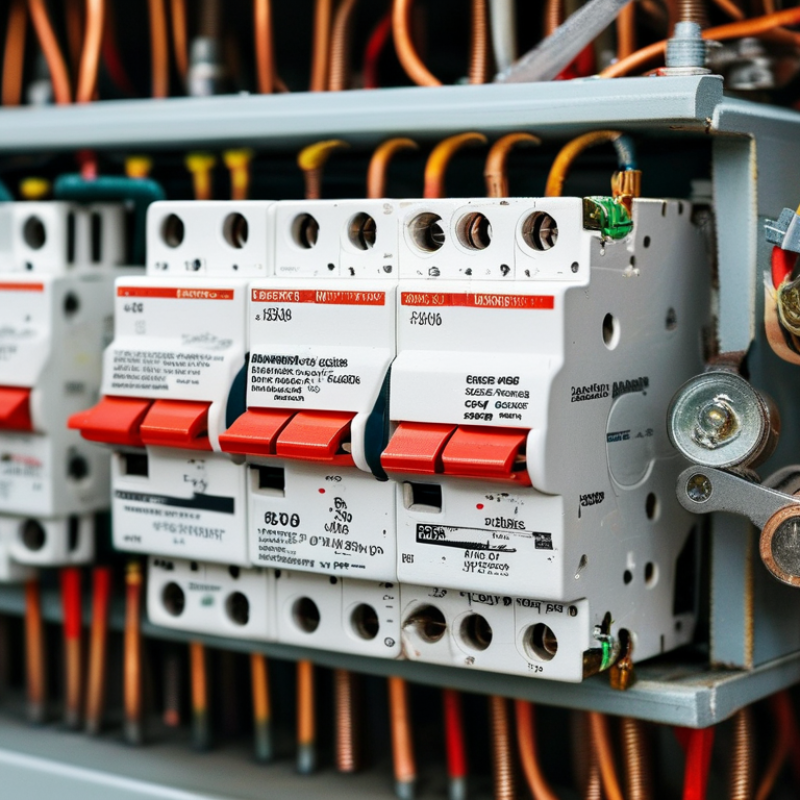
250A Breaker Fundamentals: Poles, Voltage, and IEC 60947-2 Ratings
A 250A circuit breaker is not defined by amperage alone. Its pole count, voltage rating, and breaking capacity determine suitability. A one-pole breaker serves a single live conductor, while two-pole models disconnect two conductors together. Three-pole units fit common three-phase systems. Four-pole versions can also switch the neutral. Selection depends on the system design, not cabinet space.
Check the operational voltage carefully. A breaker rated for 400V AC may not suit a higher-voltage network or a DC circuit. IEC 60947-2 documentation should show Ue, Ui, Uimp, Icu, and Ics values. Icu indicates ultimate short-circuit breaking capacity. Ics reflects service breaking performance. These figures matter near large transformers or industrial loads. A 250A frame may also use an adjustable trip unit. The trip setting must match cable capacity and coordination studies. Bigger is not automatically safer.
Tips: Confirm poles, frequency, AC or DC use, and available fault current before comparing prices. Request test certificates and installation guidance from a qualified supplier. Check terminal size with the actual cable; this small detail is often missed. I still recheck neutral switching and enclosure heat calculations, because catalog tables can hide site-specific problems. Accessories, transport, and local inspection requirements may change the final cost.
Top 250 Amp Circuit Breaker Price Guide for Global Buyers - 250A Breaker Fundamentals: Poles, Voltage, and IEC 60947-2 Ratings
| Configuration | Poles | Rated Current (In) | Rated Voltage (Ue) | Typical Breaking Capacity (Icu) | Trip Technology | IEC 60947-2 Use Category | Indicative Price Range (USD) | Typical Application |
| MCCB, fixed thermal-magnetic | 2 | 250 A | 240–480 V AC | 18–35 kA | Thermal-magnetic | A | $180–$420 | Small commercial distribution and motor feeders |
| MCCB, fixed thermal-magnetic | 3 | 250 A | 415–600 V AC | 25–50 kA | Thermal-magnetic | A | $260–$650 | Three-phase panels, feeders, and industrial machinery |
| MCCB, fixed electronic trip | 3 | 250 A | 415–690 V AC | 36–65 kA | Electronic LSIG or LSI | B | $650–$1,250 | Industrial switchboards requiring adjustable protection |
| MCCB, four-pole switched neutral | 4 | 250 A | 400–415 V AC | 25–50 kA | Thermal-magnetic | A | $420–$900 | Systems requiring neutral isolation or source changeover |
| MCCB, adjustable electronic trip | 3 | 250 A frame / adjustable | 480–690 V AC | 50–85 kA | Electronic LSIG | B | $1,000–$2,200 | High-fault-level industrial and infrastructure distribution |
| MCCB with shunt trip and auxiliary contacts | 3 | 250 A | 415–600 V AC | 25–50 kA | Thermal-magnetic + accessories | A | $450–$1,050 | Emergency shutdown, fire systems, and remote control |
| DC-rated MCCB | 2–3 | 250 A | 250–750 V DC | 10–35 kA DC | Thermal-magnetic or electronic | A, DC application | $500–$1,400 | Battery storage, photovoltaic, and DC distribution systems |
Pricing and selection notes: Indicative equipment-only prices in USD for new IEC 60947-2-compliant 250 A molded-case circuit breakers. Prices vary by region, breaking capacity, voltage rating, trip unit, accessories, enclosure, certification, quantity, freight, taxes, and commissioning. Confirm the required Icu and Ics values at the actual installation voltage before purchase. Category A generally refers to breakers without a short-time withstand delay, while Category B supports short-time withstand capability for selective coordination.
Global 250A Price Bands: $80–$2,500 by Type and Interrupt Rating
A 250A circuit breaker can cost $80–$2,500 worldwide. The main drivers are type, interrupt rating, poles, certification, and accessories. Basic thermal-magnetic molded-case units often fall near $80–$300. Electronic-trip models commonly reach $400–$1,200. High-interrupt, current-limiting, or enclosed versions may exceed $2,000. These are indicative buying bands, not fixed quotations.
IEC 60947-2 separates breakers by performance and test requirements, helping explain large price gaps. Higher interrupt ratings require stronger contacts, arc control, and tested short-circuit performance. MarketsandMarkets’ circuit breaker market report forecasts continued growth through 2028, supported by grid upgrades and industrial electrification. The IEA’s Electricity 2024 report also recorded strong global electricity-demand growth in 2023. More infrastructure usually means more protection equipment, but not always lower prices. Local stock shortages can reverse that assumption.
Tips: Confirm the available fault current before selecting a breaker. A 250A frame rating does not guarantee a 250A trip setting. Check voltage, poles, trip curve, interrupt rating, enclosure needs, and certification. Request separate prices for terminals, shunt trips, auxiliary contacts, and freight. In my purchasing reviews, accessory costs are often overlooked. That mistake is expensive. Prices also need a careful second check, because exchange rates, copper costs, and regional testing requirements change quickly.
How Icu/Ics, AIC, 18–100 kA, and Trip Units Affect Pricing
Top 250 Amp Circuit Breaker Price Guide for Global Buyers
A 250 amp circuit breaker is not priced by amperage alone. The key cost driver is its short-circuit performance. Icu shows the ultimate breaking capacity under laboratory conditions. Ics indicates the service breaking capacity after testing. A breaker rated at 50 kA Icu and 25 kA Ics may cost less than one offering 100 kA for both values. That difference matters near transformers, generators, and large industrial panels. In practical purchasing, 18–35 kA models often suit lighter commercial systems. Heavy industrial installations may require 50–100 kA ratings. Higher capacity usually means stronger construction, larger contacts, and higher prices.
Tips: Confirm the available fault current before requesting quotes. Never select by amp rating alone. Ask for both Icu and Ics at the actual system voltage. AIC is commonly used in North American specifications and expresses the interrupting rating, usually in symmetrical RMS amperes. Compare it carefully with IEC ratings. They are related, but not always directly interchangeable.
Trip units also change the final price. Thermal-magnetic units are usually economical and simple to maintain. Electronic trip units add adjustable long-time, short-time, instantaneous, and ground-fault protection. They cost more, but can improve coordination and reduce unnecessary shutdowns. Accessories also add cost, including auxiliary contacts, shunt trips, undervoltage releases, and communication modules. My practical mistake was comparing identical amp ratings without checking trip settings. The cheapest quote was not the cheapest solution. Clearance, enclosure type, testing documents, freight, and local certification can shift the delivered price significantly.
UL 489, IEC Standards, and Regional Certification Costs
Top 250 Amp Circuit Breaker Price Guide for Global Buyers
A 250 amp circuit breaker is priced by more than current capacity. Certification often changes the final landed cost. For North American projects, UL 489 evaluation usually covers construction, interruption performance, temperature rise, and marking requirements. Testing, factory inspections, technical files, and follow-up audits can increase the purchase price. Ask for the certification scope, not only the certificate number. Details matter.
IEC-based projects commonly reference IEC 60947-2 for low-voltage circuit breakers. Regional authorities may require additional type tests, local registration, or approved laboratory reports. A breaker accepted in one market may need new evidence elsewhere. Import duties, language-specific documents, and conformity marking also affect the final figure. A low factory quote can become expensive after compliance work.
For global buyers, compare three prices: product cost, certification cost, and delivery cost. Request test reports, rated short-circuit capacity, operating temperature, and enclosure compatibility. A 250 amp unit with insufficient interrupting capacity is not a bargain. It is a risk. Certification costs vary by design, destination, and whether existing reports are accepted. I have seen buyers focus too heavily on the unit price. That approach is understandable, but incomplete. The better question is simple: what evidence will the installation authority accept?
Buyer Checklist: MOQ, Lead Time, Warranty, and Total Landed Cost
A 250 amp circuit breaker price often looks attractive until the full purchase is calculated. In my sourcing experience, the quoted unit price is only one part of the decision. Ask about MOQ, packaging, terminal accessories, and testing documents before comparing suppliers. A low MOQ may cost more per unit, but it can reduce warehouse pressure. A large MOQ may improve pricing and create slow-moving stock.
Lead time should be confirmed in writing. Standard production may take three to eight weeks, while customized ratings, enclosures, or labeling can add time. Request a production schedule, inspection point, and shipment date. Warranty terms also need careful review. Check coverage period, replacement procedures, response time, and whether labor or freight is included. Some warranties sound strong but exclude installation damage and unsuitable operating conditions.
Tips: Build a landed-cost sheet before approval. Include the breaker price, export packing, inland transport, ocean or air freight, insurance, duties, customs handling, and local delivery. Confirm the rated voltage, interrupting capacity, trip settings, pole count, and mounting method. Ask for test reports from an independent or qualified facility when practical. I have seen buyers focus on price and miss incompatible cabinet dimensions. That mistake is expensive. Currency changes and port delays should also receive a small contingency allowance, although the percentage is never perfect.